- Home
- Motown Blues
- Blind Blake Guitar Songs
Learn Classic Blind Blake Blues Songs on Acoustic Guitar
Blind Blake was a pioneer of ragtime-influenced blues guitar, leaving behind a catalog of fast, intricate fingerstyle songs that still influence players today.

If you're eager to explore the roots of acoustic blues, this collection of 6 lessons captures the signature style and charm of Blind Blake’s recordings in a rhythm format.
From the upbeat groove of “Diddy Wah Diddy” to the gritty emotion of “Bad Feeling Blues,” each song offers a glimpse into the pre-war blues tradition — simplified and arranged for today’s acoustic player.
Blind Blake Discography:
🎸 Overview Video - “Watch This Preview of My Best Blind Blake Guitar Songs”
Blind Blake’s discography is expansive and profoundly influential in the blues genre. His albums include collections like “Blind Blake, Vol. 1” (1926 -1927), “Blind Blake, Vol. 2” (1927), “Ragtime Guitar's Foremost Fingerpicker”, and retrospective albums like "The Very Best of Blind Blake". While his songs were primarily released as singles, they were later compiled into these albums.
Born in Jacksonville, Florida in the late 19th Century, Blind Blake made his name in the 1920s and 1930s, a period of great cultural and economic change. This was during the era of Prohibition and the Great Depression, significant historical contexts that shaped his music and the blues genre as a whole.
Blind Blake Guitar Lesson Titles
Bad Feeling BluesChump Man Blues
Diddy Wah Diddy
Early Morning Blues
Georgia Bound
Hard Pushin Papa
Police Dog Blues
Bad Feeling Blues
- Learn To Play On Guitar
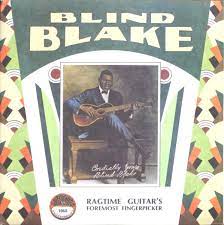
Bad Feeling Blues is a somber and technically brilliant recording from the June 1931 sessions in Grafton, Wisconsin, appearing on the original Paramount 10-inch shellac.
As one of the final recordings Blind Blake ever made before the bankruptcy of Paramount Records and his subsequent disappearance from the music scene, the track carries a heavy, historical weight. While the concept of a modern music video did not exist in 1931, the song has been revitalized in the digital age through various historical archival projects on YouTube, often paired with the only known photograph of Blake.
Written by Blake himself, the song features the "talking guitar" style that made him a legend, with intricate fingerpicking that sounds remarkably like a ragtime piano. It remains a definitive example of his late-career mastery and the haunting mystery surrounding his final years in the Midwest.
Chords And Strumming
I play this one in standard tuning with a root up down up and repeat rhythm pattern with picking involved. The chords here are D, G7, A7 and a D7.
Guitar Lesson Detail - (chords & lyrics sheet incl with lesson)
Back To Song List
Chump Man Blues
- Learn To Play On Guitar
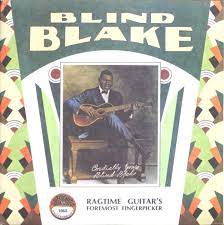
Chump Man Blues is a rhythmic and witty country-blues track released in early 1930 as a 78-rpm single on the Paramount label.
Written by Blake and originally paired with "Ice Man Blues" on the A-side, the song explores the perspective of a man being taken advantage of in a relationship, delivered with a lighthearted vocal grit. Because Blake recorded in the pre-television era, no film or video footage of him performing this track exists, making the original audio recordings the only surviving link to his virtuosity.
The production is notable for its clean, percussive thumb-lead style, which became a foundational technique for the Piedmont blues genre. Interestingly, the song has been frequently studied by acoustic guitar historians for its "stride" guitar patterns, which attempted to replicate the complex left-hand movements of ragtime pianists on a six-string instrument.
Chords And Strumming
This one is played in standard tuning with a root down up root up down up and repeat rhythm pattern with picking and the chords D, G7 and an A7.
Guitar Lesson Detail - (chords & lyrics sheet incl with lesson)
Back To Song List
Blind Blake's Cause Of Death
While Blind Blake and his blues contemporaries were often singing about struggle and hardship, they also created entertaining, rhythm and blues-infused melodies. Their music served as a form of therapy and distraction from the harsh realities of the era.
Very little is known about the details of Blind Blake's personal life but his early death, in the mid-1930s, has been revealed to be a bad cause of pneumonia at the age of 38. It's believed he died somewhere in Wisconsin.
Diddy Wah Diddy
- Learn To Play On Guitar
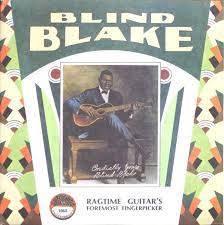
Diddy Wah Diddy is one of the most famous and influential recordings in the history of the blues, originally recorded by Blind Blake in 1929 for Paramount. The song title refers to a mythical "land of plenty" in African American folklore, and Blake’s racy, double-entendre lyrics became a sensation in the late 1920s.
While Bo Diddley later recorded a song with the same name, it was Blake’s original composition that set the standard, leading to famous covers by artists like Captain Beefheart and Leon Redbone. No music video was ever produced, but the song's legacy was famously referenced on the cover of the first issue of Zap Comix by Robert Crumb.
The track is recognized for its infectious, bouncing rhythm and a vocal delivery that highlighted Blake's charisma as a performer, proving why he was the top-selling artist for his label during the peak of the 78-rpm era.
Chords And Strumming
The chords you'll need here are C, C7, F and a G7 in standard tuning. Picking is involved here with a root down root up down up and repeat rhythm pattern.
Guitar Lesson Detail - (chords & lyrics sheet incl with lesson)
Back To Song List
Early Morning Blues
- Learn To Play On Guitar
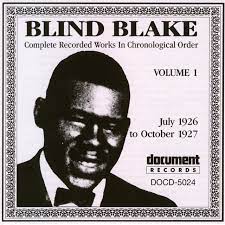
Early Morning Blues holds the distinction of being the very first solo recording by Blind Blake, released in 1926 as the debut single for his exclusive contract with Paramount Records.
Written by Blake, the song was a massive commercial success, reaching a wide audience across the South and the Midwest and establishing him as a "wizard of the piano-sounding guitar." The lyrics deal with the classic blues theme of waking up to heartbreak, delivered with a sophisticated fingerpicking style that was years ahead of its time.
While no historical film footage of Blake exists, this recording is often used in documentaries to illustrate the birth of the East Coast blues sound. Interestingly, the success of this single was the primary impetus for record companies to begin searching for more solo blues guitarists, effectively changing the landscape of American popular music in the late 1920s.
Chords And Strumming
I play a root down up root up down up and repeat rhythm pattern here in standard tuning with the chords C, C7, F, G7, A7 and D7. Picking is required.
Guitar Lesson Detail - (chords & lyrics sheet incl with lesson)
Back To Song List
Georgia Bound .. (not Blues)
- Learn To Play On Guitar
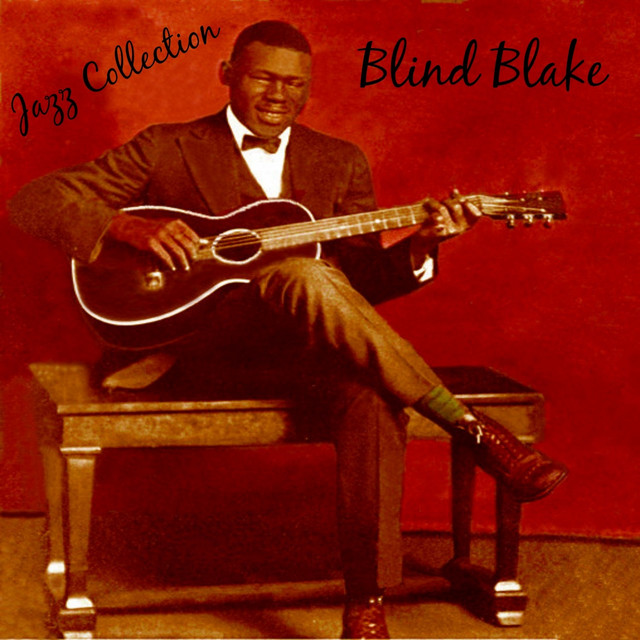
Georgia Bound is a famous blues song recorded by Blind Blake back in 1927. This track is a great example of his unique and impressive guitar style. Blind Blake was known for his skill in playing the guitar, and you can hear it clearly in this song.
The lyrics of "Georgia Bound" tell a story about someone leaving Georgia and going somewhere else, maybe because of personal problems or not having enough money. This was a common theme in many blues songs during that time, which often talked about the difficulties faced by African Americans in the early 1900s.
Blind Blake's guitar playing in "Georgia Bound" is outstanding. He used a style called Piedmont blues, which involves intricate fingerpicking and switching between different bass notes. His guitar work is full of rhythm and complex patterns that made him stand out as one of the best guitarists of his era.
Chords And Strumming
I play this one in standard tuning with a root up down up and repeat mixed with a few riffs. The chords in this one is C, F, G7, C7 and a Adim.
Guitar Lesson Detail - (chords & lyrics sheet incl with lesson)
Back To Song List
Hard Pushin Papa
- Learn To Play On Guitar
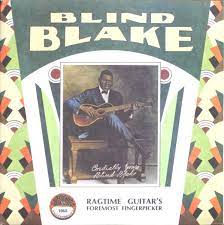
Hard Pushin Papa is a high-energy, rhythmic showcase of Blind Blake’s unique "Geechee" influence, featured on a 1928 Paramount 78-rpm release. Written by Blake, the song highlights his incredible speed and precision, featuring walking bass lines and syncopated thumb rolls that many modern guitarists still find difficult to replicate.
Like his other works, there is no associated music video, as Blake died in 1934 long before the advent of music film clips. A unique bit of trivia regarding this era of his recording is that Blake was so respected that white jazz legend Eddie Lang once recorded under the pseudonym "Blind Blake" to sit in with African American groups.
The track is recognized for its exuberant energy and its blend of ragtime dance rhythms with traditional blues structures, cementing Blake's reputation as the "King of the Country Blues Guitar" during his prolific years in Chicago.
Chords And Strumming
There is picking here in standard tuning with the chords G, C7, D7 and an A7. For rhythm play a root down up root up down up and repeat rhythm pattern.
Guitar Lesson Detail - (chords & lyrics sheet incl with lesson)
Back To Song List
7. Police Dog Blues - Learn To Play On Guitar
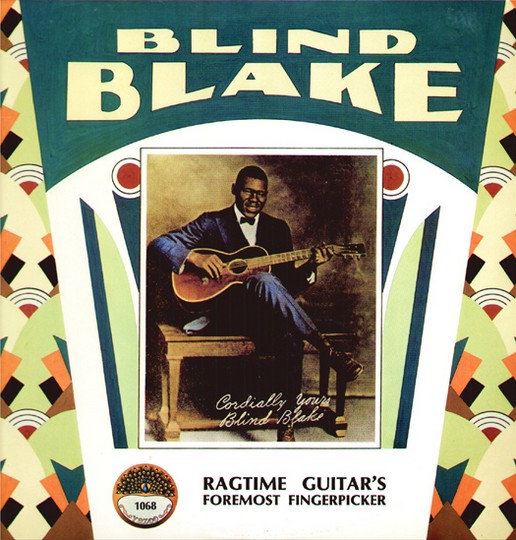
Police Dog Blues is a famous blues song by Blind Blake, a guitarist and singer known for his impact on music. He recorded this tune in 1929, and it's one of his most famous works.
The song is an instrumental, meaning there are no lyrics; it's just Blind Blake playing his guitar. His guitar skills are extraordinary, with fast and intricate finger-picking and a rhythm that keeps you tapping your foot. Blind Blake's talent on the guitar shows how skilled he was in the Piedmont blues style.
Even without words, Blind Blake's guitar tells a story. The music is lively and energetic, creating a feeling of urgency and excitement. The title, "Police Dog Blues," hints at a chase or pursuit, and the music matches this with its dynamic and rhythmic performance.
Blind Blake's recordings, including "Police Dog Blues," have been incredibly influential in the world of blues guitar. His unique finger-picking style and complex arrangements set a high standard for future guitarists. This song is a timeless example of early blues guitar and continues to inspire musicians and guitar enthusiasts all around the world.
Chords And Strumming
This one has a root down up root up down up rhythm pattern with the chords D, G7, A7 and a D7 in standard tuning with plenty of lead picking.
Guitar Lesson Detail - (chords & lyrics sheet incl with lesson)
<Back To Song List
Other Popular Blind Blake Songs & Top 5
Some of Blind Blake’s most well-known songs include "West Coast Blues", "Early Morning Blues", "That Will Never Happen No More", "You Gonna Quit Me Blues", and "Diddie Wa Diddie", among others. His songs, much like Blind Blake himself, were known for their dynamism and variety, ranging from fast-paced dance tunes to low, soulful ballads. Many would class his top 5 as follows:
- Early Morning Blues
- West Coast Blues
- That Will Never Happen No More
- You Gonna Quit Me Blues
- Diddie Wa Diddie
Blind Blake's Musical Style
Blind Blake's musical style was rhythmically complex, incorporating elements of ragtime and what was then becoming known as 'Piedmont blues'. Known for his distinct and intricate finger-picking technique, Blake often played with a pick to create his elaborate ragtime and blues riffs. His guitar style, fast picking and all, has become iconic in the genre and is referred to as 'Piedmont blues'.
Yes Blind Blake Was Really Blind
Blind Blake’s music not only stands as a testament to his genius, it serves as a footprint in blues history, paving the way for countless musicians. The vast legacy of Blind Blake songs continues to charm, inspire and entertain us, keeping the rhythm of the blues alive. Blind Blake may have lived in obscurity and died in mystery, but his music and influence continue to resonate today - in families’ homes, in musician's instruments, in blues lovers' hearts and in every beats of American blues history.
Blind Blake’s recordings continue to inspire blues and fingerstyle guitarists around the world. While the original recordings showcase remarkable technical skill, these simplified acoustic arrangements let modern players explore that sound in an accessible way.
Try them all — and if you enjoy this style, check out more early blues lessons in our vintage blues section or explore other legends like Mississippi John Hurt and Big Bill Broonzy.
If you liked this Blind Blake guitar songs page you might also like ... (click here)

Motown Rhythm And Blues

Kirby Swinemar is an acoustic guitar instructor, performer and song arranger who has taught online for 21 years and created more than 4,000 original acoustic guitar lessons. He specialises in song-based acoustic guitar instruction, rhythm guitar techniques, and creating full-sounding solo arrangements that help beginner and intermediate players move beyond basic strumming.
Explore his work at Kirby's Guitar Lessons and on social media on his social media YouTube Channel and his Facebook Page. Learn more about Kirby on his About Me page.
Latest 100 Tutorials
© 2019–2026 KirbysGuitarLessons.com — All Rights Reserved