Don Williams: We Can Sing (Acoustic Guitar Lessons)
Released in early 1977 as part of the landmark Visions album, "We Can Sing" has emerged as one of the most sought-after acoustic tracks in Don Williams’ expansive catalog.

This soulful, gospel-influenced piece captured a unique moment in the "Gentle Giant’s" career, emphasizing a message of unity and the healing power of music. While the album is famously home to the massive #1 hit "Some Broken Hearts Never Mend," it is the uplifting rhythm and melodic sincerity of "We Can Sing" that continues to resonate with guitarists today.
In this series of lessons, we dive deep into the 1977 Visions sessions, breaking down the understated fingerstyle patterns and the relaxed, behind-the-beat pocket that defined Don’s peak Nashville era. Whether you are a beginner or a seasoned player, these tutorials provide the roadmap to mastering the warmth and clarity of the Don Williams sound.
🎸 Overview Video -
“Watch This Preview of My
Don Williams Visions Album”
Don Williams Guitar List
Cup Of Tea
Expert At Everything
Fallin' In Love Again
I'll Forgive But I'll Never Forget
I'll Need Someone To Hold Me
I'm Getting Good At Missing You
In The Morning
Missing You Missing Me
Some Broken Hearts Never Mend
Time On My Hands
We Can Sing
Don Williams Inspired Throw Pillow Collection


I may be able to create a custom pillow design just for you.
Cup O'Tea - Learn To Play On Guitar
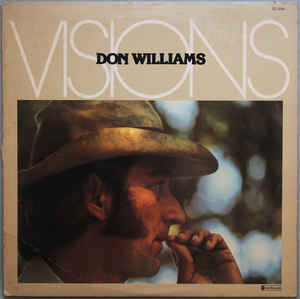
Cup O’Tea is a charming, mid-tempo track that captures the simple, domestic contentment often found in the "Gentle Giant’s" 1970s catalog.
While it was never released as a commercial single, the song has remained a perennial favorite for fans and even found a second life as a popular answer in country-themed crossword puzzles.
Written by Saxon White, it reflects the warm, unhurried production style that Don perfected during his years with ABC/Dot Records. The song remains a quintessential example of how Don could take a humble metaphor and turn it into a relatable anthem for everyday life.
Chords And Strumming
I play a capo on the 2nd fret here in standard tuning. You'll play a root down up root up down up for rhythm with the chords G, D, C and a Bm. A few riffs and a little bit of picking in this one.
Guitar Lesson Details - (chords & lyrics sheet incl with lesson)
Back To Song List
Expert At Everything - Learn To Play On Guitar
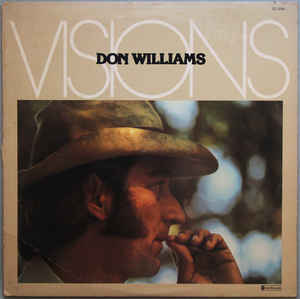
Expert At Everything serves as a showcase for the witty, slightly self-deprecating storytelling that Don handled so well.
This track was an album cut that did not see a single release or chart action, but it remains a standout for its lyrical cleverness. The song deals with the irony of being a "master" of many things while failing at the one thing that matters most: keeping a relationship intact.
It was written by LaVonne Maphis and provides a perfect rhythmic counterpoint to the more serious ballads found throughout the rest of the album.
Chords And Strumming
This one is standard tuning with a root down up down up down up and repeat with some bass runs. The chords here are a D, A, D7 and a G. The main picking is at the end in the original version but I've moved it to the middle of the song to break it up so there is some picking in this number.
Guitar Lesson Details - (chords & lyrics sheet incl with lesson)
Back To Song List
Fallin' in Love Again - Learn To Play On Guitar
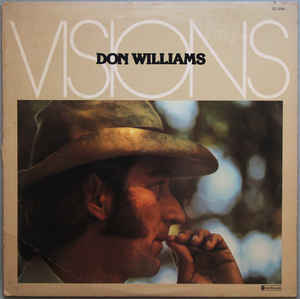
Fallin' in Love Again is a bright, optimistic track that explores the resilient nature of the human heart. Not to be confused with his later 1981 hit "Falling Again," this 1977 recording is an upbeat celebration of finding new hope after a period of loneliness.
Although it was not a charting single for Don, its melodic structure and infectious rhythm make it a highlight of the album's second side.
The song has seen various interpretations over the decades, as its universal theme of romantic renewal is a staple of the classic country songbook.
Chords And Strumming
The original key here is a B so it's easier to play with a capo on the 4th with the chords G, C a quick F, D and D7. You'll play a root down up root up down up and repeat pattern. Some picking in this one played in standard tuning.
Guitar Lesson Details - (chords & lyrics sheet incl with lesson)
Back To Song List
I'll Forgive But I'll Never Forget - Learn To Play On Guitar
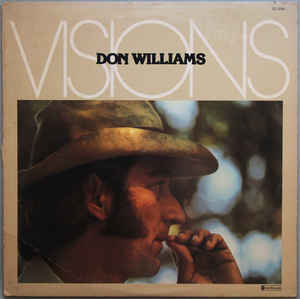
I'll Forgive But I'll Never Forget is a powerful ballad that delves into the complexities of moving on from betrayal.
This track highlights Don’s ability to convey deep emotional weight with his signature understated baritone delivery. While the studio did not choose this song for a single release, it has been noted by critics as one of the most honest depictions of heartbreak in his late-70s archive.
The song resonates with listeners because it avoids easy resolutions, choosing instead to focus on the lingering memories that remain even after forgiveness is granted.
Chords And Strumming
For this song you have four chords which are A, D, E and a B7 with a capo on the 2nd fret. The rhythm you'll need is a root up down up down up bass up down up down with some bass runs and played in standard tuning. A short picking break required in this song.
Guitar Lesson Details - (chords & lyrics sheet incl with lesson)
Back To Song List
I'll Need Someone to Hold Me (When I Cry) - Learn To Play On Guitar
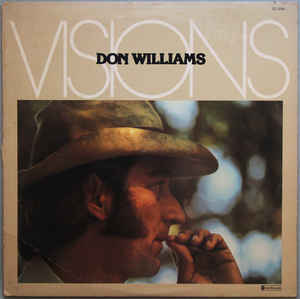
I'll Need Someone to Hold Me (When I Cry) is a masterclass in country-pop songwriting, co-written by the powerhouse duo of Bob McDill and Wayland Holyfield.
Though Don’s original version on this album was not released as a single, the song’s immense quality was proven a few years later in 1981 when Janie Fricke recorded a cover version. Her rendition became a massive hit, reaching number one on the Canadian country charts and number four on the Billboard Hot Country Singles chart.
Don's version remains the definitive male interpretation, capturing a sense of vulnerability that is both raw and refined.
Chords And Strumming
Play a root down root up down up and repeat for rhythm in this one with a capo on the 2nd fret. The chords here are an A, D, A/Db and an E in standard tuning. There is a picking section in here.
Guitar Lesson Details - (chords & lyrics sheet incl with lesson)
Back To Song List
I'm Getting Good At Missing You - Learn To Play On Guitar
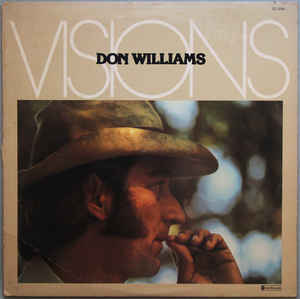
I'm Getting Good At Missing You is a poignant exploration of the "new normal" that follows a breakup. Written by Wayland Holyfield, the song features the clever lyrical wordplay that became a staple of Don’s biggest hits.
While it remained an album track for the 1977 release, it is frequently cited by fans as a favorite "deep cut" because of how perfectly it fits the Gentle Giant persona—quietly resilient and emotionally transparent.
It serves as a bridge between the more traditional country sounds of his early career and the smoother production of his late-70s peak
Chords And Strumming
I have a capo 4th on this one because it's too low for my vocal. The chords here are a G, F, C, G7 and an Am. Some picking required here in standard tuning with a root down up down up down up and repeat shuffle pattern. The original key is a capo 2nd fret with these chords.
Guitar Lesson Details - (chords & lyrics sheet incl with lesson)
Back To Song List
In The Mornin' - Learn To Play On Guitar
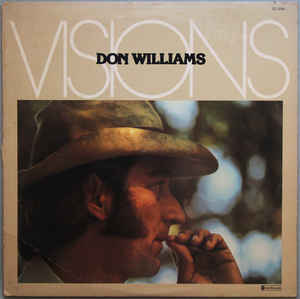
In The Mornin' is a gentle, atmospheric track that evokes the feeling of a quiet sunrise and the promise of a new day.
This song was not released as a single, but it perfectly complements the overall theme of the album, which focuses on clarity and perspective.
It is one of the more folk-influenced tracks on the record, emphasizing a clean and open sound that allows the lyrics to take center stage. The song has remained an intimate favorite for those who appreciate the softer, more reflective side of the Nashville sound.
Chords And Strumming
The chords here in standard tuning are G, C, D and a D7. The rhythm you'll play root down up bass up down up and repeat. Some picking require in this tune.
Guitar Lesson Details - (chords & lyrics sheet incl with lesson)
Back To Song List
Missing You, Missing Me - Learn To Play On Guitar
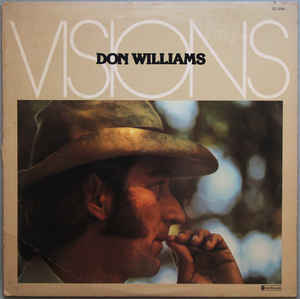
Missing You, Missing Me is a rhythmic, catchy track that deals with the mutual longing felt by a couple separated by distance. This song captures a specific 1970s "traveling man" vibe that was very popular in country music at the time.
Although it was never a charting single, it has enjoyed significant longevity on streaming platforms and classic country radio due to its relatable theme and infectious hook.
It stands as a testament to the consistency of the Visions sessions, where even the non-singles possessed the polish and appeal of major hits.
Chords And Strumming
Another low vocal from Don played normally with a capo on the 2nd fret but I have a capo 4th fret. Play a standard root down up root up down up and repeat in standard tuning with a few picking riffs required.
Guitar Lesson Details - (chords & lyrics sheet incl with lesson)
Back To Song List
Some Broken Hearts Never Mend - Learn To Play On Guitar
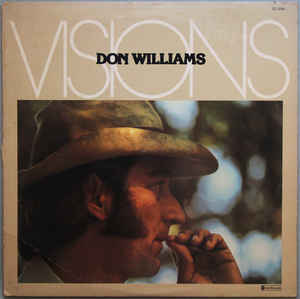
Some Broken Hearts Never Mend is the crowning jewel of the album and one of the most famous songs in the history of country music. Released in January 1977 as the lead single, it became Don’s sixth number-one hit on the Billboard country charts.
The song's impact extended far beyond Nashville; it became a major international hit for actor Telly Savalas in 1981, topping the charts in Switzerland and reaching the top five in Austria and the Netherlands.
Later, it was covered in a reggae style by The Bellamy Brothers, further proving the song’s timeless and cross-genre appeal.
Chords And Strumming
I play a capo 2nd fret here with a drop D tuning with a root down bass up down up and repeat. The chords here are G, D, C and a Cmaj7. some picking in this one.
Guitar Lesson Details - (chords & lyrics sheet incl with lesson)
Back To Song List
Time On My Hands - Learn To Play On Guitar
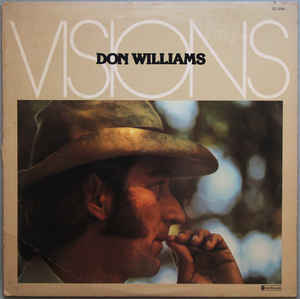
Time On My Hands is a soulful, slow-burning track written by Layng Martine, Jr., a songwriter known for his ability to blend pop sensibilities with country roots.
The song focuses on the stillness and isolation that comes when one has too much time to think about a lost love. While it was not a single, the track is a masterclass in atmospheric production, using space and silence as effectively as the music itself.
It remains one of the most evocative tracks on the album, perfectly capturing the "visionary" and reflective mood promised by the title.
Chords And Strumming
This one is in standard tuning played with a root down bass up down up and repeat with some picking required. The chords here are a C, F, G and a Dm.
Guitar Lesson Details - (chords & lyrics sheet incl with lesson)
Back To Song List
We Can Sing - Learn To Play On Guitar
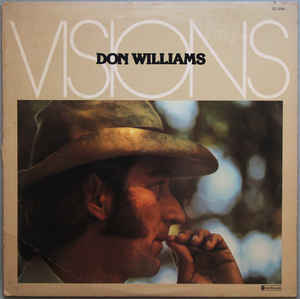
We Can Sing serves as an uplifting, almost gospel-influenced conclusion to the album. This track emphasizes themes of unity, joy, and the healing power of music, providing a hopeful bookend to a record that explores many facets of the human experience.
It was not released as a single, but its choir-like backing vocals and anthemic feel made it a popular choice for Don’s live performances during the late 1970s.
The song leaves the listener with a sense of peace and community, which was the hallmark of the Gentle Giant’s enduring legacy.
Chords And Strumming
One here in the original key of A but I'm playing a capo 2nd with the chords G, C, D and a D7. Ply a root down up down up down and repeat. In standard tuning with some picking required.
Guitar Lesson Details - (chords & lyrics sheet incl with lesson)
Back To Song List
Completing the lessons from the Visions era offers more than just a repertoire of classic 70s country; it provides a masterclass in musical restraint. From the intricate phrasing of "Time On My Hands" to the international success of "Some Broken Hearts Never Mend," every track on this page is designed to help you find that signature "Don Williams Bounce."
As you work through these eleven tutorials, focus on the clean chord transitions and the "dry" acoustic production that allowed Don’s baritone to shine so clearly. Mastering "We Can Sing" and its companion tracks is about finding the heart of the song and letting the rhythm breathe. Grab your guitar, settle into the groove, and let’s keep expanding your library of the most influential acoustic country music ever recorded.
If you liked this Don Williams We Can Sing page you might also like ... (click images)


Very Easy Country Guitar Songs
Latest 100 Tutorials
© 2019–2026 KirbysGuitarLessons.com — All Rights Reserved