The Kingston Trio Guitar Lessons – 6 Acoustic Classics
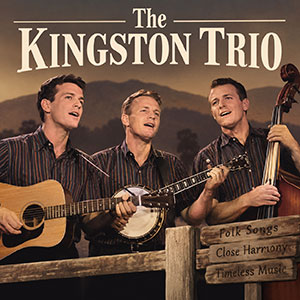
If you're looking for Kingston Trio guitar lessons, this collection explores six songs that showcase the storytelling, acoustic rhythms and vocal harmonies that helped make the group one of the leading voices of the American folk revival. You'll find well-known classics such as Tom Dooley and Where Have All the Flowers Gone alongside favorites including Desert Pete, Scotch and Soda, Chilly Winds and Three Jolly Coachmen.
These songs cover quite a range despite their shared folk roots—from traditional-style story songs and lively sing-alongs to reflective ballads and historically inspired material.
Each lesson breaks down the chords, rhythm and other playing details used in my acoustic arrangement, giving you several different ways to explore the Kingston Trio sound on guitar.
🎸 Watch the Kingston Trio Guitar Lessons Overview
performance clips taken directly from the complete lesson videos.
Click Play, then drag the timeline to quickly preview any Kingston Trio lesson featured on this page.
Note: Every arrangement has been personally created, recorded and taught by Kirby
using teaching methods refined through decades of acoustic guitar instruction.
What's Included With Every Lesson
📦 Your Lesson Package Includes
✓ 8–12 minute HD video lesson so you can learn each song step-by-step.
✓ Printable chords & lyrics PDF for easy practice away from the screen.

✓ Instant download—start playing in minutes.
✓ Learn at your own pace on any device.
New To The Kingston Trio?
If you're new to The Kingston Trio, Tom Dooley is a good place to start. The arrangement uses just three chords with one steady root-based rhythm, followed by a melody picking section you can add once the accompaniment is comfortable.
From there, try Chilly Winds to work with two different folk rhythm patterns, an intro riff and a few hammer-ons, or Desert Pete for a faster storytelling song that adds bass runs and rhythmic accents. For something more involved, Three Jolly Coachmen combines a lively rhythm with bass runs, a verse-ending riff and a melody picking break, while Scotch And Soda offers the biggest change of pace with its richer, jazz-influenced chord shapes and integrated picking section.
Kingston Trio Guitar Lessons Included On This Page
Chilly Winds Guitar Lesson
Desert Pete Guitar Lesson
Scotch and Soda Guitar Lesson
Three Jolly Coachmen Guitar Lesson
Tom Dooley Guitar Lesson
Where Have All The Flowers Gone Guitar Lesson
🎁 Free Lesson Preview
Scroll down to check out a completely free lesson on The Kingston Trio's “Tom Dooley”.Chilly Winds - Learn To Play On Acoustic Guitar
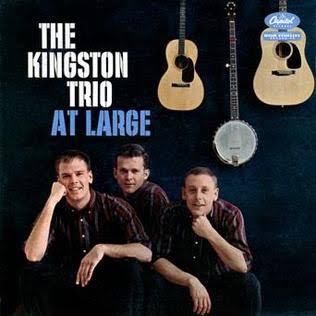
Chilly Winds appeared on the Kingston Trio's 1959 album At Large, released during the remarkable early success that helped place the group at the center of the American folk revival.
The song is credited to John Stewart and John Phillips, both of whom would become important figures in the folk scene—Stewart later joined the Kingston Trio, while Phillips went on to form the Mamas & the Papas. At Large became a major success for the Trio, reaching #1 on the Billboard album chart and producing the hit “M.T.A.”
Although “Chilly Winds” wasn't released as one of the album's major singles, its acoustic sound and close vocal harmonies fit squarely into the style that made the Kingston Trio so influential.
What You'll Learn From This Lesson
I play Chilly Winds in standard tuning with a capo on the 4th fret. The chord progression uses G, Am, D7 and C, and there is an intro riff to learn before settling into the main rhythm. There is no dedicated lead section in my arrangement.
For the rhythm, I use two patterns that can be mixed throughout the song. The first is a root – up – down – up pattern that gives the accompaniment a lighter folk feel. The second is root – down – up – root – up – down – up, adding more movement while keeping the bass note prominent. A few occasional hammer-ons, mainly around the G chord, add some extra texture without making the accompaniment too busy.
Start by getting comfortable with the four chords and experiment with both rhythm patterns to see which feels most natural. You can also alternate between them to create some variation as the song progresses. Once the rhythm and chord changes are comfortable, add the G-chord hammer-ons and then work on the intro riff separately before putting the complete arrangement together.
Guitar Lesson Details - (chords & lyrics sheet incl with lesson)
Back To Song List
Desert Pete - Learn To Play On Acoustic Guitar
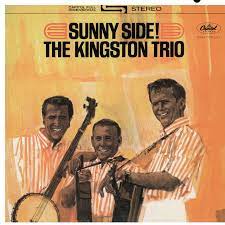
Desert Pete gave the Kingston Trio another memorable story song when they recorded it for their 1963 album Sunny Side!. Written by Billy Edd Wheeler, the song follows a thirsty traveler who discovers a water pump in the desert along with a note explaining that the small amount of water left in a jar must be used to prime the pump rather than drunk immediately.
Trusting the instructions ultimately brings the traveler all the water he needs, with the reminder to refill the jar for whoever comes next. Released as a single, the Kingston Trio's recording reached #33 on the Billboard Hot 100 and became one of their recognizable later recordings.
What You'll Learn From This Lesson
I play Desert Pete in standard tuning using the chords E, A, B7, Ab and Db. There is no dedicated lead section in my arrangement. The song has an upbeat folk feel, with the verses moving through the spoken storytelling sections before opening up into the sung choruses.
The main rhythm is root – down – up – down – up – down – up, repeated throughout the song. The root note helps drive the arrangement forward, while several quick bass runs add movement between sections and chord changes. I also use accents involving the bottom string at the 3rd fret while maintaining the rhythm, which adds another recognizable touch to the accompaniment.
Start by learning the chord progression and getting the root-based rhythm comfortable at a slower tempo. Next, work in the 3rd-fret accents while keeping the rhythm steady. Add the bass runs last, once the basic accompaniment feels natural. Because the original moves along at a good pace, there's nothing wrong with practicing the complete arrangement slowly before gradually bringing it up to tempo.
Guitar Lesson Details - (chords & lyrics sheet incl with lesson)
Back To Song List
Scotch and Soda - Learn To Play On Acoustic Guitar
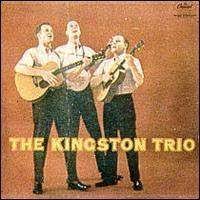
Scotch and Soda has one of the more unusual histories in the Kingston Trio catalogue. The song dates back at least to the early 1930s, when the parents of future baseball star Tom Seaver heard an unidentified pianist perform it during their honeymoon in Phoenix.
They liked the song so much that they asked the pianist to write it down for them. Years later, Kingston Trio member Dave Guard, who was dating Seaver's older sister Katie, heard the song while visiting the family and brought it to the group.
The Trio recorded “Scotch and Soda” for their 1958 debut album, with Bob Shane singing lead. Although Guard received the songwriting credit, the identity of the song's original composer was never discovered.
What You'll Learn From This Lesson
I play Scotch And Soda in standard tuning, and the arrangement uses a much richer collection of chord shapes than most of the Kingston Trio songs on this page. The chords include Cmaj7, Fm, F, Ddim7, A7sus, A7, D7, Amaug5, G7, A+, C, Gm7, G, Cm, Emsus, C#dim7 and Ebaug5. Several of these have a distinctly jazzy sound that helps create the relaxed character of the song.
The main rhythm is down – down – up – down – up – down – up, repeated through the progression. There is also a picking section blended into the rhythm in the middle of the song, giving the arrangement a melodic break without turning it into a separate extended lead section.
Spend some time learning the unfamiliar chord shapes and getting comfortable moving between them before worrying about the picking section. Once the progression is flowing smoothly, add the rhythm and concentrate on keeping the accompaniment relaxed and even. Leave the middle picking section until last so you can focus on it without having to think about the chord changes at the same time.
Guitar Lesson Details - (chords & lyrics sheet incl with lesson)
Back To Song List
Three Jolly Coachmen - Learn To Play On Acoustic Guitar
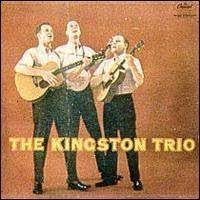
Three Jolly Coachmen appeared on the Kingston Trio's self-titled debut album in 1958, the record that helped launch the group into national prominence during the emerging American folk revival. Adapted by Trio members Dave Guard, Bob Shane and Nick Reynolds, the song draws on the tradition of old drinking and tavern songs.
Rather than telling a romantic story, its three coachmen are happily gathered together enjoying their drinks and declaring that they have little reason to leave while there's still something left in the glass.
The song's lively rhythm, group vocals and good-humored delivery made it a natural fit for the Kingston Trio's early repertoire and the informal sing-along style that became an important part of their appeal.
What You'll Learn From This Lesson
I play Three Jolly Coachmen in standard tuning using the chords G, C and D. It's a fast-paced arrangement with an almost Irish folk feel, driven by a lively root – down – up – down – up – down – up rhythm pattern.
A short riff is blended into the rhythm at the end of each verse, and I also work in a few bass runs to keep the accompaniment moving. In addition, there is a melody-line picking break that gives you a separate instrumental section to work on before returning to the main rhythm.
Start with the three chords and get the root-based rhythm comfortable before adding the bass runs and end-of-verse riff. Practice the song below full tempo until those elements flow together smoothly. Leave the melody-line picking break until the rhythm arrangement is secure, then learn that section separately and gradually bring the entire performance up to speed.
Guitar Lesson Details - (chords & lyrics sheet incl with lesson)
Back To Song List
Tom Dooley - Learn To Play On Acoustic Guitar
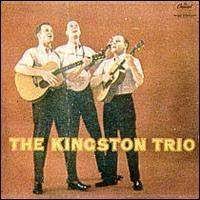
Tom Dooley became the Kingston Trio's breakthrough hit in 1958, but the song's story reaches back to a real murder in North Carolina following the Civil War. Tom Dula was convicted of murdering Laura Foster and was hanged in 1868. Local musician Thomas C. Land helped turn the story into a folk ballad, which survived through the oral tradition for decades before the Kingston Trio recorded their version.
Released from the group's self-titled debut album, “Tom Dooley” climbed to #1 on the Billboard pop chart, sold millions of copies and won the Kingston Trio a Grammy Award. Its enormous success is widely credited with helping bring American folk music into the mainstream and setting the stage for the folk revival that followed in the late 1950s and early 1960s.
What You'll Learn From This Lesson
The Kingston Trio recorded Tom Dooley in the key of F, while I play my arrangement two frets higher in G. The chords are G, D and D7, with a root – down – up – root – up – down – up rhythm pattern providing the accompaniment. I also work a few bass runs into the rhythm as the song progresses.
At the beginning of the song, I pick the melody underneath the spoken introduction, combining the instrumental line with the storytelling opening before moving into the regular rhythm. From there, most of the song is played with the same rhythm pattern. In my arrangement, I bring that melody picking pattern back as a separate instrumental break before the third verse, although that additional break is optional.
Start with the three chords and get the root-based rhythm comfortable first. Next, learn the melody picking section on its own before coordinating it with the spoken introduction. Once you can comfortably combine the two, you can decide whether to use that same melody again as the optional picking break before the third verse.
Guitar Lesson Details - (chords & lyrics sheet incl with lesson)
Back To Song List
Where Have All The Flowers Gone - Learn To Play On Acoustic Guitar
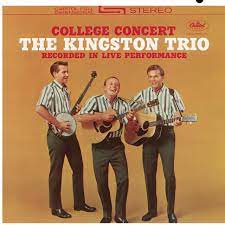
Where Have All the Flowers Gone began with Pete Seeger, who wrote the original verses in the mid-1950s after finding inspiration in a passage from the Russian novel And Quiet Flows the Don by Mikhail Sholokhov. The passage incorporated lines from an old Cossack folk song, which helped inspire Seeger's repeating questions about flowers, young women and soldiers.
Folk singer Joe Hickerson later added verses that completed the song's famous circle, bringing the story from soldiers to graveyards and eventually back to flowers. The Kingston Trio recorded the song in the early 1960s and helped introduce it to an enormous popular audience.
Its simple repeating structure and message about the recurring human cost of war helped make “Where Have All the Flowers Gone” one of the enduring songs of the folk revival, with versions subsequently recorded in numerous languages by artists around the world.
What You'll Learn From This Lesson
I play Where Have All The Flowers Gone in standard tuning with a capo on the 3rd fret, which keeps my arrangement in the original key. The chords are G, Em, C, D and Am, with a root – down – up – down – up – down – up rhythm pattern providing the main accompaniment.
There is a riff at the intro that returns at the end of each verse, where it is combined with a short bass run before moving back into the main rhythm. There is no dedicated lead break in the original arrangement, but I add an optional melody-line picking break to my version for some instrumental variety.
Start by learning the five chords and getting comfortable with the root-based rhythm. Next, work on the riff and bass run separately before blending them smoothly into the rhythm at the end of each verse. Once those parts are comfortable, you can add the melody-line picking break if you want to include that extra instrumental section.
Guitar Lesson Details - (chords & lyrics sheet incl with lesson)
Back To Song List
Kingston Trio Guitar Lessons FAQ
Do I need a capo to play these Kingston Trio songs?
Not for every song. My arrangements for Desert Pete, Scotch And Soda and Three Jolly Coachmen are played in standard tuning without a capo. I use a capo on the 4th fret for Chilly Winds and a capo on the 3rd fret for Where Have All The Flowers Gone. My version of Tom Dooley is played in G without a capo, two frets higher than the Kingston Trio's recorded key of F.
What type of strumming works well for Kingston Trio songs?
Many of these arrangements use a folk rhythm built around a root or bass note followed by strumming, but the exact pattern changes from song to song. Chilly Winds gives you two rhythm options, while Desert Pete, Three Jolly Coachmen, Tom Dooley and Where Have All The Flowers Gone use different root-based patterns. Scotch And Soda has a smoother rhythm that suits its more jazz-influenced chord progression.
Do these Kingston Trio arrangements include riffs, bass runs or lead guitar?
Several include small instrumental details rather than long lead sections. Chilly Winds has an intro riff and hammer-ons, Desert Pete uses quick bass runs and accents, and Three Jolly Coachmen combines bass runs and a verse-ending riff with a melody picking break. Tom Dooley uses melody picking underneath the spoken introduction, while Where Have All The Flowers Gone has a recurring riff and bass run. Some of the melody picking breaks in my arrangements are optional.
Why does Scotch And Soda use so many unusual chords?
Scotch And Soda is quite different harmonically from the other songs on this page. My arrangement uses several major 7th, diminished, augmented, suspended and minor chord shapes that help produce its distinctive jazz-influenced sound. Learn the chord shapes and transitions first, then add the rhythm and the picking section once the progression feels comfortable.
How should I practice singing while playing these songs?
Get the chord progression and rhythm comfortable enough that you don't have to concentrate on every strum before adding the vocal. This is particularly useful with storytelling songs such as Desert Pete and Tom Dooley, and with the faster Three Jolly Coachmen. Practice the accompaniment more slowly when necessary, then bring it up to tempo once the chord changes, bass runs and other details are flowing smoothly.
The Kingston Trio showed just how much could be accomplished with acoustic instruments, strong harmonies and a good story. The six lessons on this page range from the dark history behind Tom Dooley and the circular anti-war message of Where Have All the Flowers Gone to the humor of Three Jolly Coachmen and the unusual stories behind Desert Pete and Scotch and Soda.
Whether you're drawn to the group's folk harmonies, steady acoustic rhythms or simply enjoy songs that tell memorable stories, I hope these arrangements give you a useful starting point for exploring their music on guitar. More Kingston Trio lessons can always be added as the collection grows.
If you enjoyed these Kingston Trio guitar lessons, you might also like ... (click images)
Fun Folk Songs To Sing
Latest 100 Tutorials
© 2019–2026 KirbysGuitarLessons.com — All Rights Reserved