The Ultimate Guide to Playing Beatles Songs on Guitar
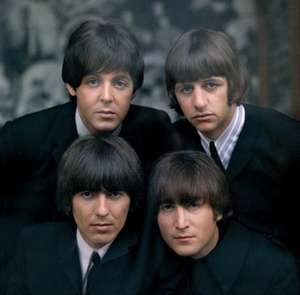
Welcome to my Beatles songs on the guitar page where you'll find a dozen Beatles numbers you can learn with my free chords sheets, rhythm tips and demo videos for some of their top songs on acoustic.
If you need any full lesson tutorials, those are available also for a small fee.
John Lennon | Paul McCartney | George Harrison | Ringo Starr
The Best Beatles Love Songs
Hey Jude
A Day In The Life
Do You Want To Know A Secret
Fixing A Hole
Help
Here Comes The Sun
Here There And Everywhere
I Am The Walrus
I Should Have Know Better
I'll Follow The Sun
Lucy In The Sky
Mean Mr Mustard Polythene Pam
Michelle
Norwegian Wood
Nowhere Man
Ob Bla Di Ob Bla Da
Penny Lane
Rain
Revolution
Rocky Raccoon
Strawberry Fields
The Continuing Story Of Bungalow Bill
Til There Was You
We Can Work It Out
What You're Doing
Simple Beatles Songs
Across The Universe
Anna
Come Together
Don't Let Me Down
Drive My Car
Eleanor Rigby
Get Back
Honey Don't
I Feel Fine
I've Just Seen A Face
When I'm 64
With A Little Help From My Friends
Easy Beatles Songs
Honey Pie
I'll Cry Instead
I'm Only Sleeping
Kansas City
Lovely Rita
Mr Postman
Oh Darlin
Please Please Me
She Said She Said
Something
The Ballad Of John And Yoko
The Night Before
You Won't See Me
You've Got To Hide Your Love Away
Beatles Songs On Guitar
Hey Jude Beatles Guitar Chords - Learn To Play On Guitar
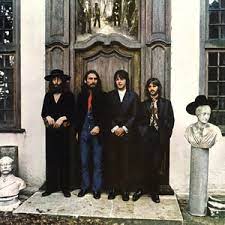
Hey Jude was released as a non-album single in 1968 and became the band's biggest hit, spending nine weeks at number 1 on the Billboard Hot 100.
Paul McCartney wrote it as "Hey Jules" to comfort John Lennon’s son, Julian, during his parents' divorce. At over seven minutes long, it smashed the convention that radio singles had to be short, three-minute tracks.
The song features a 36-piece orchestra and is famous for its extended "na-na-na" coda, which takes up nearly four minutes of the runtime, encouraging a communal sing-along that remains powerful decades later.
Chords And Strumming
Soon.
Guitar Lesson Details - (chords & lyrics sheet incl with lesson)
Chords & LyricsJump To Top
A Day In The Life - Learn To Play On Guitar
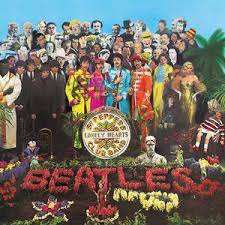
A Day In The Life is the climactic finale of the 1967 masterpiece Sgt. Pepper's Lonely Hearts Club Band. It was never released as a commercial single at the time, yet it is widely regarded as one of the group's greatest achievements.
The track is famously a fusion of two separate songs—John Lennon wrote the verses about reading the news, while Paul McCartney contributed the middle "woke up, fell out of bed" section.
A 40-piece orchestra was hired to create the chaotic crescendo, a sound so overwhelming that the BBC banned the song, claiming the lyrics promoted drug use.
Chords And Strumming
Soon.
Guitar Lesson Details - (chords & lyrics sheet incl with lesson)
Chords & LyricsJump To Top
Do You Want To Know A Secret - Learn To Play On Guitar
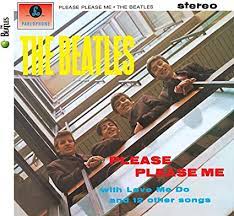
Do You Want To Know A Secret appears on the band's debut album, Please Please Me, released in 1963. In the United States, it was issued as a single by Vee-Jay Records and climbed to number 2 on the Billboard Hot 100.
The song was written by John Lennon, inspired by a line from the Disney movie Snow White and the Seven Dwarfs ("Wanna know a secret? Promise not to tell?").
It was given to George Harrison to sing, serving as his first lead vocal on a Beatles single, helping to establish a fan base for the "Quiet Beatle" early on.
Chords And Strumming
This one is played in standard tuning with a root down up root up down up and repeat rhythm pattern and no lead. For chords you'll need an Em, Am, G, F, B7, E, Abm, Gm, Gbm, B, Dbm, A and an E6 .
Guitar Lesson Details - (chords & lyrics sheet incl with lesson)
Chords & LyricsJump To Top
Fixing A Hole - Learn To Play On Guitar
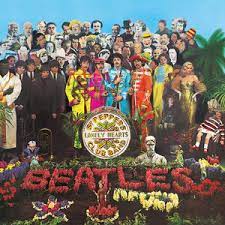
Fixing A Hole is a reflective track from the 1967 album Sgt. Pepper's Lonely Hearts Club Band. It was not released as a single.
While many fans analyzed the lyrics for drug references—assuming "fixing a hole" meant heroin use—Paul McCartney has consistently stated it was about home improvement and the freedom of letting his mind wander.
The legend goes that Paul was inspired after spotting a literal hole in the roof of his Scottish farm, though another story suggests he wrote it after seeing a fan standing outside his gate, "fixing" him with a stare.
Chords And Strumming
Soon.
Guitar Lesson Details - (chords & lyrics sheet incl with lesson)
Chords & LyricsJump To Top
Help - Learn To Play On Guitar
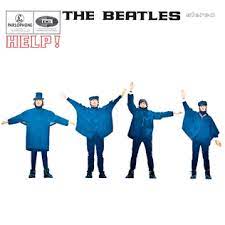
Help serves as the title track for the 1965 album and the accompanying motion picture. Released as a single, it soared to number 1 on the Billboard Hot 100.
While it is an upbeat pop-rock anthem on the surface, John Lennon later revealed the lyrics were a genuine cry for help. He was feeling overwhelmed by the band's sudden, massive fame and his own personal insecurities (what he called his "Fat Elvis" period).
Lennon often cited this as one of his favorite Beatles songs because of its honesty, despite the fast tempo masking the pain.
Chords And Strumming
Soon.
Guitar Lesson Details - (chords & lyrics sheet incl with lesson)
Chords & LyricsJump To Top
Here Comes The Sun - Learn To Play On Guitar
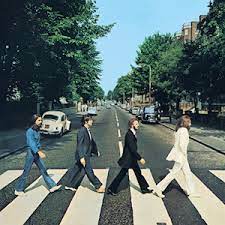
Here Comes The Sun is one of the most beloved tracks on the 1969 album Abbey Road. It was not released as a single during the band's lifespan, which makes its enduring popularity even more impressive; it is currently the most streamed Beatles song on Spotify.
George Harrison wrote the song in Eric Clapton's garden while skipping a boring business meeting at the Apple Corps offices.
The relief of missing the meeting and the arrival of spring sunshine inspired the optimistic acoustic melody, which features a Moog synthesizer, a new instrument for the band at the time.
Chords And Strumming
This one is played with a capo 7th fret in standard tuning and some lead required. For rhythm I play a down up down up as you play the melody line with the chords D, G, A7, E7, D/Gb, Em, F and C.
Guitar Lesson Details - (chords & lyrics sheet incl with lesson)
Chords & LyricsJump To Top
Here There And Everywhere - Learn To Play On Guitar
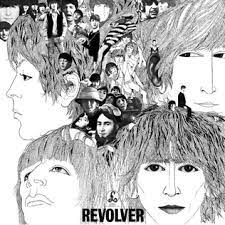
Here There And Everywhere features on the 1966 album Revolver. It was not released as a single, but it holds a special place in the band's history:
Paul McCartney and producer George Martin both cited it as one of their favorite McCartney compositions. Paul wrote the song while sitting by the pool at John Lennon’s house, waiting for John to wake up.
Heavily influenced by the harmonic complexities of The Beach Boys' Pet Sounds album, the track features distinct barbershop-style backing vocals and remains a masterclass in romantic balladry.
Chords And Strumming
Soon.
Guitar Lesson Details - (chords & lyrics sheet incl with lesson)
Chords & LyricsJump To Top
I Am The Walrus - Learn To Play On Guitar
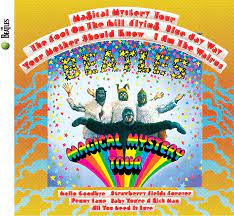
I Am The Walrus is a psychedelic staple from the Magical Mystery Tour soundtrack, released in 1967. It served as the B-side to "Hello, Goodbye" and reached number 56 on the Billboard Hot 100.
John Lennon wrote the song specifically to confuse music critics and scholars who were over-analyzing Beatles lyrics. He combined three separate song ideas and nonsensical imagery inspired by Lewis Carroll’s The Walrus and the Carpenter.
The track also features a live BBC radio feed of King Lear that was accidentally tuned in during the mixing process, adding to the sonic chaos.
Chords And Strumming
Soon.
Guitar Lesson Details - (chords & lyrics sheet incl with lesson)
Chords & LyricsJump To Top
I Should Have Known Better - Learn To Play On Guitar
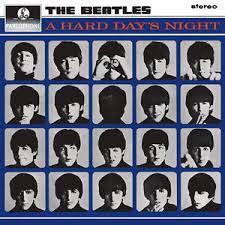
I Should Have Known Better is a key track from the 1964 album A Hard Day's Night. In the United States, it was released as the B-side to the "A Hard Day's Night" single, reaching number 53 on the Billboard Hot 100.
The song is heavily influenced by Bob Dylan, marking the first time the band prominently used a harmonica in a key other than the song's tonic, creating a distinct, folksy sound.
During the filming of the movie scene for this song, the band members were famously hysterical with laughter, reportedly due to exhaustion and a bit of drinking.
Chords And Strumming
For chords here play a G, D, Em, C, B7 and G7 with just a few riff and in standard tuning. I use a capo 3rd fret while playing a down down up down up down up and repeat rhythm pattern.
Guitar Lesson Details - (chords & lyrics sheet incl with lesson)
Chords & LyricsJump To Top
Ill Follow The Sun - Learn To Play On Guitar
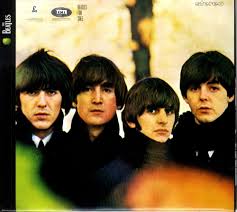
I'll Follow The Sun appears on the 1964 album Beatles for Sale. It was not released as a single. This track is a fascinating example of the band digging into their archives;
Paul McCartney actually wrote the song in the late 1950s when he was still a teenager, long before the band became famous.
It is a short, tender ballad that features a unique percussion sound—Ringo Starr did not play a full drum kit, but instead slapped his knees (or a guitar case, accounts vary) to create the soft, rhythmic tapping effect.
Chords And Strumming
This one I play in standard tuning with one riff while playing a down down up down up down up and repeat rhythm pattern. For chords play a C, F, G, Gaug, D, B, C7, Dm and an Fm.
Guitar Lesson Details - (chords & lyrics sheet incl with lesson)
Chords & LyricsJump To Top
Lucy In The Sky With Diamonds - Learn To Play On Guitar
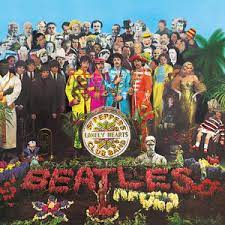
Lucy In The Sky With Diamonds is a centerpiece of the 1967 album Sgt. Pepper's Lonely Hearts Club Band. It was not released as a single.
The song ignited a firestorm of controversy due to the abbreviation of its title (LSD), leading to a ban by the BBC. However, John Lennon vehemently denied the drug connection, maintaining that the title came from a drawing his son Julian brought home from school, depicting his classmate Lucy O'Donnell "in the sky with diamonds."
Musically, the track is famous for its shifting time signatures and the surreal, dreamlike imagery of "tangerine trees."
Chords And Strumming
I play this one in standard tuning and for rhythm some arpeggio then down strokes then down down up down up down up down up down up. No lead required and for chords play an A, A/G, Gbm, Amaj7#, Dm, C, G and a D.
Guitar Lesson Details - (chords & lyrics sheet incl with lesson)
Chords & LyricsJump To Top
Mean Mr Mustard - Polythene Pam
- Learn To Play On Guitar
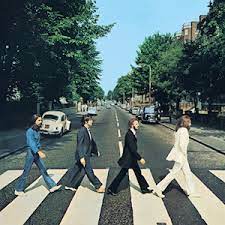
Mean Mr Mustard - Polythene Pam are joined together as part of the famous medley on Side Two of the 1969 album Abbey Road. Neither was released as a separate single. "Mean Mr. Mustard" was written by John Lennon in India and was inspired by a newspaper story about a miser who hid his money.
It transitions seamlessly into "Polythene Pam," a fast-paced rocker also by Lennon, sung in a heavy Scouse accent. The "Pam" character was loosely based on a fan from the band's early Cavern Club days who was known for eating polythene (plastic).
Chords And Strumming
Soon.
Guitar Lesson Details - (chords & lyrics sheet incl with lesson)
Chords & LyricsJump To Top
Michelle - Learn To Play On Guitar
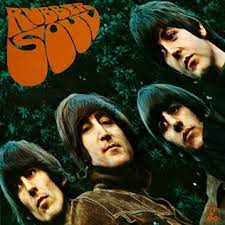
Michelle is a Grammy-winning ballad from the 1965 album Rubber Soul. While not released as a single in the UK or US at the time (where it was an album track), it was a massive number 1 hit in select European countries and won the Grammy for Song of the Year.
Paul McCartney started the song as a joke in the late 1950s to mock French art-school students at parties. Years later, John Lennon suggested he turn the "French thing" into a real song.
Paul consulted a friend's wife, a French teacher, to get the correct translation for "these are words that go together well."
Chords And Strumming
Soon.
Guitar Lesson Details - (chords & lyrics sheet incl with lesson)
Chords & LyricsJump To Top
Norwegian Wood - Learn To Play On Guitar
Norwegian Wood (This Bird Has Flown) appears on the 1965 album Rubber Soul. It was not released as a single.
The song is historically significant as the first pop record to prominently feature the sitar, played by George Harrison, introducing Indian classical instrumentation to Western rock music.
Lyrically, John Lennon wrote it as a cryptic confession of an extramarital affair, disguising the details so his wife, Cynthia, wouldn't find out. The title phrase "Norwegian Wood" referred to the cheap pine wood paneling that was popular in 1960s London apartments.
Chords And Strumming
I play this one in drop D Tuning with some lead while playing a down down up down up and repeat rhythm pattern with a melody riff and some lead required. For chords I use a D, Dm, Dmmaj7, Dm7, Em, A7 and a G.
Guitar Lesson Details - (chords & lyrics sheet incl with lesson)
Chords & LyricsJump To Top
Nowhere Man - Learn To Play On Guitar
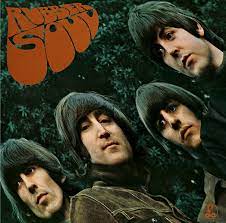
Nowhere Man is a featured track on the 1965 album Rubber Soul. Released as a single in the US, it reached number 3 on the Billboard Hot 100.
It stands out as one of the first Beatles songs unrelated to romance or love; instead, it is a philosophical reflection on insecurity.
John Lennon wrote it after spending five hours trying to write a song and coming up with nothing. He eventually gave up, lay down, and the song came to him instantly—a song about a man who is going nowhere, perfectly capturing his own writer's block.
Chords And Strumming
Soon.
Guitar Lesson Details - (chords & lyrics sheet incl with lesson)
Chords & LyricsJump To Top
Ob BLa Di Ob BLa Da - Learn To Play On Guitar
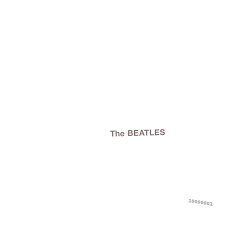
Ob BLa Di Ob BLa Da is found on the 1968 double album The Beatles (The White Album). It was not released as a single in the UK or US by the band, though a cover version by The Marmalade hit number 1 in the UK.
The song’s title and chorus came from a Nigerian conga player named Jimmy Scott, who used the phrase to mean "life goes on."
The recording sessions for this track were notoriously tense; Paul McCartney demanded take after take, driving the other band members crazy. John Lennon eventually got so frustrated he loudly banged out the opening piano intro just to get it over with.
Chords And Strumming
This I play in drop D tuning with a root down root up down and repeat in a fast play rhythm pattern with no lead required. For chords play a D, G, C and an Em.
Guitar Lesson Details - (chords & lyrics sheet incl with lesson)
Chords & LyricsJump To Top
Penny Lane - Learn To Play On Guitar
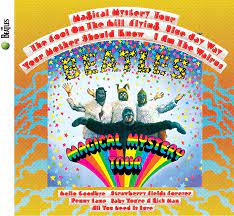
Penny Lane was released as a double A-side single with "Strawberry Fields Forever" in 1967 and later appeared on the US Magical Mystery Tour album. It reached number 1 on the Billboard Hot 100.
The song serves as Paul McCartney's nostalgic tour of his childhood in Liverpool, referencing real landmarks like the barber shop and the bank.
The distinctive, high-pitched trumpet solo was performed by David Mason; Paul decided he wanted that sound after seeing a performance of Bach's Brandenburg Concertos on television the night before the session.
Chords And Strumming
Soon.
Guitar Lesson Details - (chords & lyrics sheet incl with lesson)
Chords & LyricsJump To Top
Rain
- Learn To Play On Guitar
Rain was released in 1966 as the B-side to the "Paperback Writer" single, reaching number 23 on the Billboard Hot 100.
Despite being a B-side, it is considered a pioneering track in psychedelic rock. It marks the first time backward vocals were used on a Beatles record—John Lennon claimed he discovered the effect by accidentally loading the tape backward at home while stoned.
Ringo Starr often cited this performance as his best drumming with the band, featuring complex fills that drove the song’s sluggish, heavy texture.
Chords And Strumming
Soon.
Guitar Lesson Details - (chords & lyrics sheet incl with lesson)
Chords & LyricsJump To Top
Revolution - Learn To Play On Guitar
Revolution appeared in two famous forms: the fast, hard-rocking single version (the B-side to "Hey Jude") and the slower "Revolution 1" on the White Album (1968).
The single version reached number 12 on the Billboard Hot 100. It was John Lennon's direct response to the political turbulence of 1968.
The distorted guitar sound on the single was achieved by plugging the guitars directly into the recording console and overloading the preamps, a technique that horrified the EMI engineers but created exactly the "dirty" sound Lennon wanted to match his anger.
Chords And Strumming
Played in standard tuning with a down down up down up and repeat and with a few chops in the rhythm. Some lead required with the chords G, C, D, D7, Am, B7 and E7.
Guitar Lesson Details - (chords & lyrics sheet incl with lesson)
Chords & LyricsJump To Top
Rocky Raccoon
- Learn To Play On Guitar
Rocky Raccoon is a folk-pastiche track from the 1968 White Album. It was not released as a single. The song features Paul McCartney adopting a mock-American accent to tell a cowboy story set in the Dakota Black Hills.
It was written while the band was studying meditation in India. The character's name was originally "Rocky Sassoon," but Paul changed it to "Raccoon" because he thought it sounded more like a cowboy.
The honky-tonk piano on the track was played by producer George Martin, adding to the saloon-style atmosphere.
Chords And Strumming
Soon.
Guitar Lesson Details - (chords & lyrics sheet incl with lesson)
Chords & LyricsJump To Top
Strawberry Fields Forever - Learn To Play On Guitar
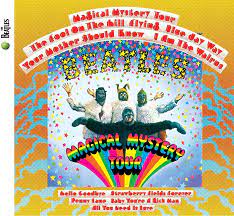
Strawberry Fields Forever was released as a double A-side single with "Penny Lane" in 1967 and is included on the US Magical Mystery Tour album. It peaked at number 8 on the Billboard Hot 100.
John Lennon wrote the song while filming a movie in Spain, reminiscing about a Salvation Army children's home near his childhood house in Liverpool.
\The final recording is a technical marvel; it is actually two different takes (one slower with cellos, one faster with a rock band) in different keys that were slowed down and sped up to match, then spliced together.
Chords And Strumming
Soon.
Guitar Lesson Details - (chords & lyrics sheet incl with lesson)
Chords & LyricsJump To Top
The Continuing Story Of Bungalow Bill
- Learn To Play On Guitar
The Continuing Story Of Bungalow Bill appears on the 1968 White Album. It was not released as a single. The song was written by John Lennon about a wealthy American named Richard Cooke III, who was visiting the same meditation camp in India as the Beatles.
Cooke went on a tiger hunt during his spiritual retreat, which Lennon found hypocritical.
The track is notable for being the only Beatles song to feature a co-lead vocal line sung by a woman—Yoko Ono sings the line "Not when he looked so fierce" in the chorus.
Chords And Strumming
Soon.
Guitar Lesson Details - (chords & lyrics sheet incl with lesson)
Chords & LyricsJump To Top
Til There Was You
- Learn To Play On Guitar
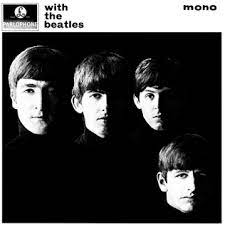
Til There Was You is a cover song featured on the band's second album, With the Beatles, released in 1963. It was not a single, but it played a crucial role in their history.
Written by Meredith Willson for the musical The Music Man, this Broadway standard allowed the Beatles to appeal to older audiences who were skeptical of rock and roll.
It was famously the second song they played during their history-making performance on The Ed Sullivan Show in 1964, proving their versatility to millions of American viewers.
Chords And Strumming
Soon.
Guitar Lesson Details - (chords & lyrics sheet incl with lesson)
Chords & LyricsJump To Top
We Can Work It Out
- Learn To Play On Guitar
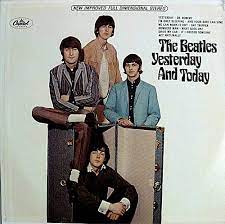
We Can Work It Out was released as a double A-side single with "Day Tripper" in 1965, hitting number 1 on the Billboard Hot 100. It is a prime example of the Lennon-McCartney collaboration;
Paul wrote the optimistic verses ("We can work it out"), while John contributed the cynical middle eight ("Life is very short, and there's no time").
The track features a harmonium, a pedal-operated reed organ, which John played to give the song its distinctive, wheezing drone, suggesting a folk or sea-shanty influence amidst the pop melody.
Chords And Strumming
Soon.
Guitar Lesson Details - (chords & lyrics sheet incl with lesson)
Chords & LyricsJump To Top
What You're Doing - Learn To Play On Guitar
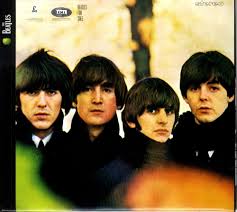
What You're Doing is a deep cut from the 1964 album Beatles for Sale. It was not released as a single.
While often overlooked, the track is musically forward-thinking for 1964. It opens with a heavy, syncopated drum intro by Ringo Starr that foreshadows the psychedelic rhythms of "Tomorrow Never Knows."
Paul McCartney's arrangement also features a jangly 12-string electric guitar riff that sounds remarkably similar to the style The Byrds would popularize just a year later, leading many to believe this track was a key influence on the American folk-rock movement.
Chords And Strumming
Soon.
Guitar Lesson Details - (chords & lyrics sheet incl with lesson)
Chords & LyricsJump To Top
Across The Universe - Learn To Play On Guitar
Across The Universe appears on the final studio album Let It Be, released in 1970, though an earlier version debuted on a charity album in 1969.
While not released as a single during the band's active years, it remains one of John Lennon’s most poetic compositions. The chorus features the mantra "Jai Guru Deva Om," a phrase the band learned during their time in India.
Lennon famously complained that Paul McCartney sabotaged the recording by not taking it seriously, though he later admitted the lyrics were arguably the best he ever wrote. The "Phil Spector" version slows the track down and adds orchestral overdubs.
Chords And Strumming
Soon.
Guitar Lesson Details - (chords & lyrics sheet incl with lesson)
Chords & LyricsJump To Top
Anna - Learn To Play On Guitar
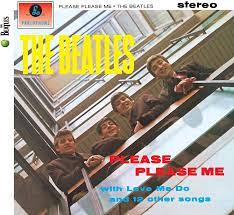
Anna (Go to Him) is a featured cover song on the 1963 debut album Please Please Me. It was not released as a single.
The original was written and performed by Arthur Alexander, a soul artist greatly admired by the band. John Lennon delivers a passionate vocal performance despite suffering from a severe cold during the marathon recording session for the album.
This track serves as a prime example of the band's early R&B roots, showcasing their ability to take a relatively obscure American soul ballad and inject it with a distinct Merseybeat energy and emotional depth.
Chords And Strumming
Soon.
Guitar Lesson Details - (chords & lyrics sheet incl with lesson)
Chords & LyricsJump To Top
Come Together - Learn To Play On Guitar
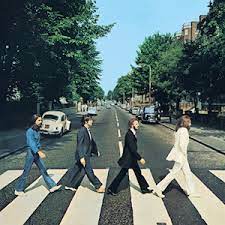
Come Together opens the 1969 masterpiece Abbey Road. Released as a double A-side single with "Something," it topped the Billboard Hot 100 at number 1. The song began as a campaign slogan for Timothy Leary’s failed run for governor of California.
It is famous for its "swampy" bass line and the hushed vocal "shoot me," which is often misheard. The track eventually led to a lawsuit from Morris Levy, the publisher of Chuck Berry’s music, who claimed the opening line and rhythm were too similar to Berry’s "You Can't Catch Me," resulting in a settlement.
Chords And Strumming
Soon.
Guitar Lesson Details - (chords & lyrics sheet incl with lesson)
Chords & LyricsJump To Top
Don't Let Me Down - Learn To Play On Guitar
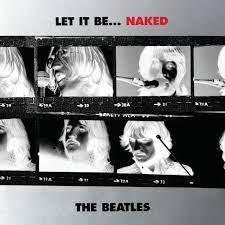
Don't Let Me Down was released in 1969 as the B-side to the "Get Back" single, reaching number 35 on the Billboard Hot 100. It is a raw, emotional plea from John Lennon to Yoko Ono, written during a period of intense personal vulnerability.
The song was a highlight of the famous rooftop concert, the band's final public performance.
While it was left off the original Let It Be album (though a different edit appeared on Let It Be... Naked decades later), the track showcases the band playing live with Billy Preston on electric piano, capturing their return to stripped-back rock and roll.
Chords And Strumming
Soon.
Guitar Lesson Details - (chords & lyrics sheet incl with lesson)
Chords & LyricsJump To Top
Drive My Car - Learn To Play On Guitar
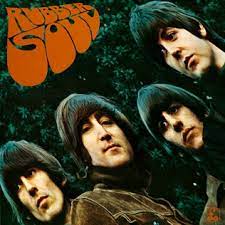
Drive My Car kicks off the UK version of the 1965 album Rubber Soul (appearing on Yesterday and Today in the US). It was not released as a single.
The song is a humorous, upbeat rocker with a twist ending: the girl offering the job of chauffeur doesn't actually have a car. Paul McCartney and John Lennon struggled with the lyrics until they decided to make it a satire about a starlet seeking fame.
The heavy bottom-end bass and the "beep beep" backing vocals were an attempt to mimic the fun, punchy sound of Otis Redding and the Stax Records studio band.
Chords And Strumming
Soon.
Guitar Lesson Details - (chords & lyrics sheet incl with lesson)
Chords & LyricsJump To Top
Eleanor Rigby - Learn To Play On Guitar
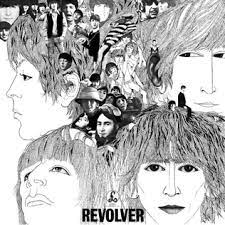
Eleanor Rigby is a landmark track from the 1966 album Revolver. Released as a double A-side single with "Yellow Submarine," it reached number 11 on the Billboard Hot 100.
Uniquely, none of the Beatles play instruments on the recording; the backing is entirely a double string quartet arranged by George Martin. The lyrics explore themes of isolation and loneliness, a stark departure from standard pop love songs.
While there is a grave for an Eleanor Rigby in the churchyard where John and Paul first met, McCartney has maintained that the name was chosen subconsciously and the character is fictional.
Chords And Strumming
This one has down strokes with riffs blended in for rhythm in standard tuning. C, Em, Em7, Em6 and Cmaj7 are the chords required here.
Guitar Lesson Details - (chords & lyrics sheet incl with lesson)
Chords & LyricsJump To Top
Get Back - Learn To Play On Guitar
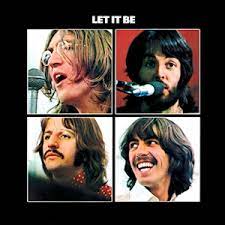
Get Back closes the 1970 album Let It Be, though the single version released in 1969 was a different mix that hit number 1 on the Billboard Hot 100. It was the first Beatles release to credit another artist, billed as "The Beatles with Billy Preston."
The song originated from a satirical jam session mocking anti-immigration rhetoric, but the final lyrics are a vague, driving rock anthem.
It was famously the final song played during the rooftop concert, ending with John Lennon’s quip: "I'd like to say thank you on behalf of the group and ourselves, and I hope we passed the audition."
Chords And Strumming
Soon.
Guitar Lesson Details - (chords & lyrics sheet incl with lesson)
Chords & LyricsJump To Top
Honey Don't - Learn To Play On Guitar
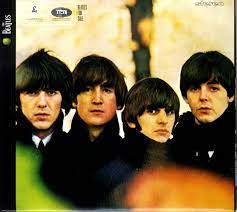
Honey Don't appears on the 1964 album Beatles for Sale. It was released as a B-side in the US but did not chart independently. The song is a cover of a rockabilly classic by Carl Perkins, one of the band's biggest heroes.
While John Lennon sang it during live shows, the studio version features Ringo Starr on lead vocals. It became Ringo’s signature spotlight number for that era, showcasing the band’s deep love for American rockabilly.
In the intro, you can hear Ringo calling out to George Harrison ("Rock on, George, for Ringo, one time!") before the guitar solo.
Chords And Strumming
Soon.
Guitar Lesson Details - (chords & lyrics sheet incl with lesson)
Chords & LyricsJump To Top
I Feel Fine - Learn To Play On Guitar
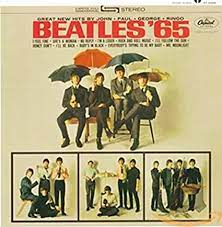
I Feel Fine was a standalone single released in 1964 that topped the Billboard Hot 100. It is historically significant for the opening note—a buzzing, sustained guitar feedback.
John Lennon claimed this was the first time feedback was intentionally used on a pop record, achieved by leaning his acoustic-electric guitar against the amplifier.
The song features a complex, bluesy riff that drives the melody. The promotional films for this track are often cited as early precursors to modern music videos, showing the band miming in a gymnasium and eating fish and chips.
Chords And Strumming
For rhythm here play a root up in standard tuning and some lead required. down up down up down up and repeat with some riffs. The chords here are D, C7, G, D7 and a Bm.
Guitar Lesson Details - (chords & lyrics sheet incl with lesson)
Chords & LyricsJump To Top
I've Just Seen A Face - Learn To Play On Guitar
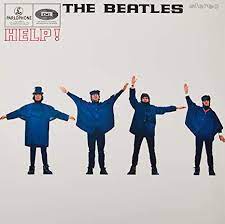
I've Just Seen A Face is a high-tempo acoustic track from the UK version of the 1965 album Help!, though it opened the US version of Rubber Soul. It was not released as a single.
The song is one of Paul McCartney’s most distinct country-influenced compositions, featuring a skiffle rhythm and no drums until the very end. It was recorded on the same day as "I'm Down" and "Yesterday," showcasing McCartney's incredible versatility.
The lack of a bass-heavy arrangement gives it a folk-rock feel that fit perfectly with the emerging sounds of the American mid-60s.
Chords And Strumming
Soon.
Guitar Lesson Details - (chords & lyrics sheet incl with lesson)
Chords & LyricsJump To Top
When I'm 64 - Learn To Play On Guitar
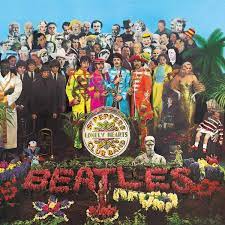
When I'm 64 is a charming music hall-style track from the 1967 album Sgt. Pepper's Lonely Hearts Club Band. It was not released as a single.
Paul McCartney actually wrote the melody when he was just 16 years old, waiting nearly a decade to record it for his father’s 64th birthday. To make the song sound more whimsical and youthful, the track was sped up during mixing, which raised the pitch of Paul’s voice.
The arrangement features a trio of clarinets, emphasizing the old-fashioned, vaudeville atmosphere that contrasts with the psychedelic rock found elsewhere on the album.
Chords And Strumming
I play this one in standard tuning with a capo 1st fret and using a root down root up down up rhythm pattern. Some lead with the chords C, Dm, G7, G, C7, F, Fm, A7, D7, Am, E7 and E.
Guitar Lesson Details - (chords & lyrics sheet incl with lesson)
Jump To Top
With A Little Help From My Friends - Learn To Play On Guitar
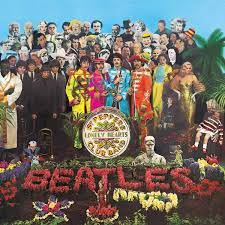
With A Little Help From My Friends is the second track on Sgt. Pepper's Lonely Hearts Club Band, segueing directly from the title track. It was not released as a single by the Beatles, though Joe Cocker later had a massive hit with a radical rearrangement.
Written specifically for Ringo Starr to sing, the song was originally titled "Bad Finger Boogie" because John Lennon composed the melody with an injured finger.
Ringo famously refused to sing the original opening line, "Would you stand up and throw tomatoes at me?" fearing that fans would actually throw tomatoes at him during live concerts.
Chord sheet and video lesson/demo contained in the zip file below.
Chords And Strumming
Soon.
Guitar Lesson Details - (chords & lyrics sheet incl with lesson)
Jump To Top
Honey Pie - Learn To Play On Guitar
Honey Pie is a nostalgic track from the 1968 self-titled double album, commonly known as The White Album. It was not released as a single.
The song is Paul McCartney’s direct homage to the British music hall style of the 1920s that his father loved. To capture that authentic, old-timey sound, the producer added a crackling record effect to the opening line, "Now she's hit the big time!" Unusually for a Beatles track,
John Lennon plays the lead guitar solo, offering a jazzy, Django Reinhardt-style performance that contrasts sharply with his usual rock approach.
Chords And Strumming
Using the chords Em, Am, Cm, G, A7, D7, D#, E7 and a C, you'll play a root down root up down up rhythm pattern in standard tuning. Be prepared for a little picking here.
Guitar Lesson Details - (chords & lyrics sheet incl with lesson)
Chords & LyricsJump To Top
I'll Cry Instead - Learn To Play On Guitar
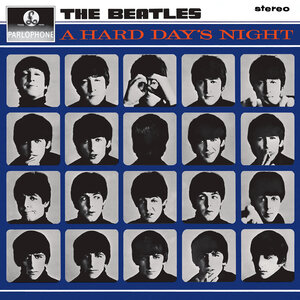
I'll Cry Instead appears on the 1964 album A Hard Day's Night in the UK and the Something New album in the US. Released as a single in the United States, it reached number 25 on the Billboard Hot 100.
John Lennon wrote the song specifically for the "breakout" sequence in the A Hard Day's Night film, but director Richard Lester rejected it in favor of "Can't Buy Me Love."
The track leans heavily into the country and western genre, a style the band—particularly Ringo and George—adored, featuring a rockabilly rhythm that drives the short, punchy tune.
Chords And Strumming
For this one play a root down up down up down up rhythm pattern in standard tuning with the chords G, D7, C7, Bm, A, E7 and an A7. No lead required.
Guitar Lesson Details - (chords & lyrics sheet incl with lesson)
Chords & LyricsJump To Top
I'm Only Sleeping - Learn To Play On Guitar
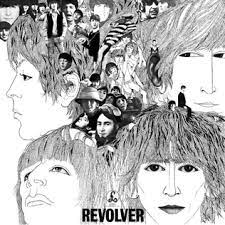
I'm Only Sleeping is a psychedelic highlight from the 1966 album Revolver. It was not released as a single.
John Lennon wrote the song as an ode to the joys of staying in bed, arguably reflecting his own laziness or, as some suggest, a drug-induced lethargy.
The track is historically significant for featuring the first-ever backward guitar solo on a pop record. George Harrison spent hours carefully composing the solo, which was then recorded and the tape reversed to create the disorienting, dreamlike swooshing sounds that perfectly match the song's drowsy theme.
Chords And Strumming
This song is tuned one fret below pitch with the chords Em, Am, G, C, B7, Bm and an E7. You'll play a down down up don up down up rhythm pattern with a shuffle in a few places and a few riffs.
Guitar Lesson Details - (chords & lyrics sheet incl with lesson)
Chords & LyricsJump To Top
Kansas City - Learn To Play On Guitar
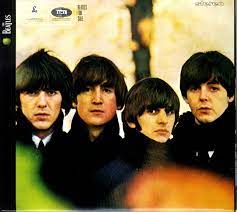
Kansas City is a high-energy medley found on the 1964 album Beatles for Sale. It was not released as a single. The track combines the Leiber and Stoller standard "Kansas City" with Little Richard's own "Hey-Hey-Hey-Hey!"
Paul McCartney provides one of his rawest, most powerful vocal performances here, attempting to match the intensity of his idol, Little Richard.
Remarkably, the band nailed this complicated medley in just one take (Take 1), proving how tight their live performance skills were after years of playing these exact songs in the clubs of Hamburg.
Chords And Strumming
This one has a steady down up down up rhythm pattern with some shuffle strumming in places while in standard tuning. You'll need the A, D7, E7 and A7 with a bit of lead to fill this one out.
Guitar Lesson Details - (chords & lyrics sheet incl with lesson)
Chords & LyricsJump To Top
Lovely Rita - Learn To Play On Guitar
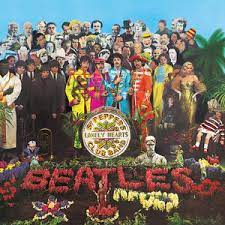
Lovely Rita appears on the seminal 1967 album Sgt. Pepper's Lonely Hearts Club Band. It was not released as a single. The lyrics tell the whimsical story of a "meter maid," a term for a traffic warden that was actually American slang and not common in the UK at the time.
Paul McCartney wrote the song after getting a parking ticket from a warden named Meta Davis outside Abbey Road Studios.
The recording features a bizarre solo that sounds like kazoos but is actually the band humming through combs covered in toilet paper.
Chords And Strumming
In standard tuning this one has a steady down up down up rhythm pattern in standard tuning and with quick changes but no lead work. You'll need the chords A, G, D, C, Bm, E, F, and a Gsus near the end.
Guitar Lesson Details - (chords & lyrics sheet incl with lesson)
Chords & LyricsJump To Top
Mr Postman - Learn To Play On Guitar
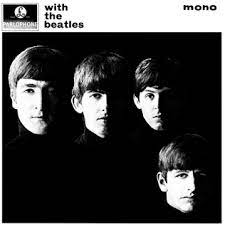
Mr Postman is a cover song featured on the band's second album, With the Beatles (1963). It was not released as a single by the group. Originally a number-one hit for The Marvelettes, this was the first Motown song the Beatles ever recorded for EMI.
John Lennon takes the lead vocal, delivering a gritty, desperate performance that cuts through the band’s "Wall of Sound" arrangement. The track demonstrates how the Beatles were instrumental in popularizing Motown music to white audiences in the UK and US during the early 1960s.
Chords And Strumming
I'm playing with a capo here but it's still a bit low playing the chords G, Em, C and D. The rhythm pattern is quick shuffle using a root down up down up root up down up in standard tuning. There is no lead here.
Guitar Lesson Details - (chords & lyrics sheet incl with lesson)
Chords & LyricsJump To Top
Oh Darlin - Learn To Play On Guitar
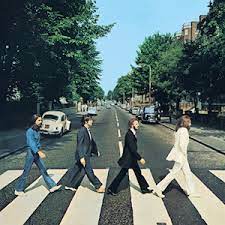
Oh Darlin is a swamp-pop ballad from the 1969 album Abbey Road. It was not released as a single in the UK or US during the band's career, though it later appeared as a single in other territories.
Paul McCartney was determined to make his voice sound ravaged and raw for the recording. To achieve this, he arrived at the studio early every morning for a week to scream through the song before the other members arrived, intentionally straining his vocal cords to capture the desperate, blistering sound of a live rock and roll singer.
Chords And Strumming
I play this one with a capo 2nd fret with the chords Bb-5, G, D, Em, C, Am, G7, D#, A, D7, C7 and a G# at the end. If you play a down down up down up down up rhythm pattern you can jam in some arpeggio notes and a few slides. No lead in here while in standard tuning.
Guitar Lesson Details - (chords & lyrics sheet incl with lesson)
Chords & LyricsJump To Top
Please Please Me - Learn To Play On Guitar
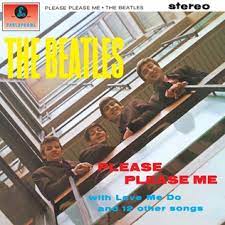
Please Please Me serves as the title track for their 1963 debut album. It was their first single released in the US (on Vee-Jay records), eventually reaching number 3 on the Billboard Hot 100 during the 1964 invasion.
Originally, John Lennon wrote it as a slow, bluesy ballad inspired by Roy Orbison. Producer George Martin famously convinced them to speed it up to a frantic pace. After the final take,
Martin spoke from the control booth, telling the band, "Congratulations, gentlemen, you have just recorded your first Number One," a prediction that came true on most UK charts.
Chords And Strumming
This one has a few chords that change quickly which are D, C, A, G, Em, Bm, D7, F and A#. Played in standard tuning you'll need a down stroke pattern as well as a down up pause up down up pause up pattern. Just a few riffs here but no lead work.
Guitar Lesson Details - (chords & lyrics sheet incl with lesson)
Chords & LyricsJump To Top
She Said She Said - Learn To Play On Guitar
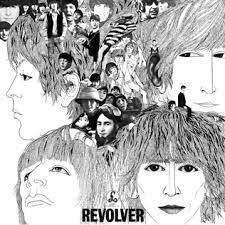
She Said She Said closes out Side One of the 1966 album Revolver. It was not released as a single. The song’s lyrics were inspired by a strange conversation John Lennon had with actor Peter Fonda while they were on LSD in Los Angeles;
Fonda kept whispering, "I know what it's like to be dead," which terrified Lennon. A major piece of trivia is that Paul McCartney does not play on this track.
He had an argument with the others and walked out of the studio, leaving George Harrison to play the bass line instead.
Chords And Strumming
This one has a bit of a strange time signature but the chords are easy in standard tuning with an A, G, D, Dmaj7, Em and an A7. You'll play a down down up down down up down up for most of it but there are also some chops in the rhythm, but no lead work here.
Guitar Lesson Details - (chords & lyrics sheet incl with lesson)
Chords & LyricsJump To Top
Something - Learn To Play On Guitar
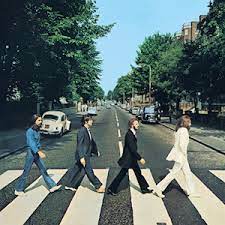
Something is the standout ballad from the 1969 album Abbey Road. It was released as a double A-side single with "Come Together," hitting number 1 on the Billboard Hot 100.
This was the first George Harrison composition to be released as a Beatles A-side, finally earning him equal standing with Lennon and McCartney. Frank Sinatra famously covered the song, calling it "the greatest love song of the past 50 years," though he mistakenly introduced it as a Lennon/McCartney song for years.
The promotional video features all four Beatles with their wives, walking through the grounds of Tittenhurst Park.
Chords And Strumming
Soon.
Guitar Lesson Details - (chords & lyrics sheet incl with lesson)
Chords & LyricsJump To Top
The Ballad Of John And Yoko - Learn To Play On Guitar
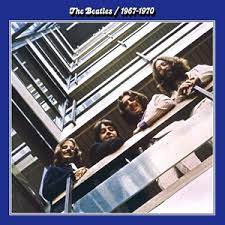
The Ballad Of John And Yoko was a non-album single released in 1969, which shot to number 1 in the UK and number 8 in the US. The song is a literal musical diary of John Lennon’s marriage to Yoko Ono and their subsequent "Bed-In" for peace.
Uniquely, only John and Paul play on the recording; George was on vacation and Ringo was filming a movie, so Paul played drums, bass, and piano while John played guitars and sang.
The song was banned by several US radio stations due to the lyric, "Christ, you know it ain't easy."
Chords And Strumming
With the chords E, E7, A and a B7 in standard tuning, use a root down root up down up for the most part. There are lots of riffs in this one so rhythm will change in places to fit those into the rhythm. No lead work however.
Guitar Lesson Details - (chords & lyrics sheet incl with lesson)
Chords & LyricsJump To Top
The Night Before - Learn To Play On Guitar
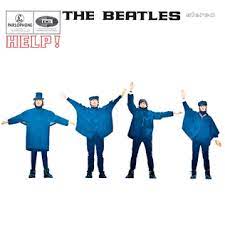
The Night Before appears on the 1965 album and soundtrack Help!. It was not released as a single. Paul McCartney sings the lead and plays a distinct electric piano solo that drives the song's rhythm.
The track features the classic call-and-response vocal style that the band had perfected by this point.
In the Help! movie, the band is shown performing this song on Salisbury Plain, surrounded by tanks and soldiers, under the protection of the army—a surreal setting that contrasts with the straightforward pop-rock nature of the tune.
Chords And Strumming
Play this one in standard tuning with a down down up down up down up and repeat rhythm pattern. You'll have some picking in here while playing the chords D7, F, G, A7, D, C, Bm, Gm, Am and E7.
Guitar Lesson Details - (chords & lyrics sheet incl with lesson)
Chords & LyricsJump To Top
You Won't See Me - Learn To Play On Guitar
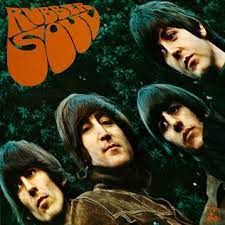
You Won't See Me is found on the 1965 album Rubber Soul. It was not released as a single. The song reflects the strained relationship between Paul McCartney and his girlfriend Jane Asher, who was not returning his calls—a theme of disconnection that permeates the lyrics.
Clocking in at 3:22, it was the longest track recorded for the Beatles up to that point. Roadie Mal Evans makes a rare musical contribution to the track, credited with playing the Hammond organ, although he simply held down a single "A" note throughout the end of the song.
Chords And Strumming
The rhythm pattern here is down down up down up down up and repeat but no lead work. For chords you'll play a D, A, B7, Dm, E7 and A7.
Guitar Lesson Details - (chords & lyrics sheet incl with lesson)
Chords & LyricsJump To Top
You've Got To Hide Your Love Away - Learn To Play On Guitar
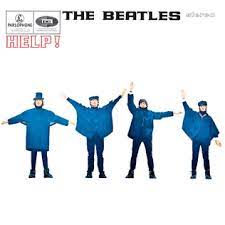
You've Got To Hide Your Love Away appears on the 1965 album Help!. It was not released as a single. This track marks the first time the Beatles hired outside studio musicians for a specific solo, featuring a flute quartet in the coda.
John Lennon wrote the song during his "Dylan period," channeling Bob Dylan’s acoustic, introspective style.
While officially about a generic romance, many biographers and fans speculate the song was a subtle nod to the band's manager, Brian Epstein, who had to hide his homosexuality, which was illegal in Britain at the time.
Chords And Strumming
Use a down down up down up and repeat rhythm pattern here in standard tuning with the chords G, D, F, C and a Dsus. A few melody picking notes near the end.
Guitar Lesson Details - (chords & lyrics sheet incl with lesson)
Chords & LyricsJump To Top
Thanks for stopping by my Beatles songs on the guitar page. I hope you found what you were looking for.
If you liked this Beatles songs on the guitar page you might like these ... (click images)
Homepage
Popular Songs From The 60s
Latest 100 Tutorials
© 2019–2025 KirbysGuitarLessons.com — All Rights Reserved