Elvis Presley Love Songs
Easy Acoustic Guitar Lessons

If you're a fan of romantic ballads and timeless melodies, you'll love this collection of Elvis Presley love songs arranged for easy acoustic guitar. These Elvis Presley love songs guitar lessons are designed for acoustic players.
This collection features sixteen heartfelt tracks that capture the softer side of The King — from reflective classics like Are You Lonesome Tonight to soulful gems like Fever.
Each song includes helpful chord diagrams, rhythm tips, and full video demos to get you playing confidently, even if you're just starting out.
Whether you're serenading someone special or just enjoying the beauty of these unforgettable tunes, this set offers a fun and rewarding experience for guitar players of all levels.
🎸 Watch the Elvis Presley Love Songs Lessons Overview
performance clips taken directly from the complete lesson videos.
Click Play, then drag the timeline to quickly preview any Elvis Presley lesson featured on this page.
Note: Every arrangement has been personally created, recorded and taught by Kirby
using teaching methods refined through decades of acoustic guitar instruction.
What's Included With Every Lesson
📦 Your Lesson Package Includes
✓ 8–12 minute HD video lesson so you can learn each song step-by-step.
✓ Printable chords & lyrics PDF for easy practice away from the screen.

✓ Instant download—start playing in minutes.
✓ Learn at your own pace on any device.
Easy Elvis Guitar Songs
Elvis Songs In The 50s
Elvis Guitar Songs From The 70s
Elvis Guitar Songs From The Movies
Elvis Gospel & Inspirational Songs
Elvis Country And Blues Songs
More Elvis Resources
10 Elvis Presley Coloring Pages
12 Elvis Presley Wall Art
New To Elvis Love Songs?
Start with Love Me, Love Me Tender, Stuck On You, and Marie's The Name, where you'll learn the foundations of Elvis-style accompaniment using simple chord progressions, steady rhythm patterns, walking bass runs, and easy-to-follow vocal arrangements. These lessons focus on supporting the song rather than playing complex lead guitar.
Once you're comfortable with those songs, move on to Are You Lonesome Tonight, I'll Remember You, Separate Ways, and Surrender, where you'll encounter richer chord changes, more dynamic rhythm patterns, and arrangements designed to create a fuller solo performance.
More experienced players can explore Mary In The Morning, It's Now Or Never, Fever, and The Wonder Of You, which introduce fingerpicking, melody-based breaks, bass movement, orchestral-style accompaniment, and more advanced techniques for recreating the sound of Elvis's classic recordings on a single acoustic guitar.
Elvis Presley Guitar Lessons Included On This Page
Are You Lonesome Tonight Guitar Lesson
Ask Me Guitar Lesson
Fever Guitar Lesson
I Can't Help Fallin' In Love With You Guitar Lesson
I Just Can't Help Believing Guitar Lesson
I'll Remember You Guitar Lesson
It's Now Or Never Guitar Lesson
Love Me Guitar Lesson
Love Me Tender Guitar Lesson
Marie's The Name Guitar Lesson
Mary In The Morning Guitar Lesson
Return To Sender Guitar Lesson
Separate Ways Guitar Lesson
Stuck On You Guitar Lesson
Surrender Guitar Lesson
The Wonder Of You Guitar Lesson
🎁 Free Lesson Preview
Scroll down to check out a completely free demo on Elvis Presley’s “Mary In The Morning”And I Love You So - Learn To Play On Acoustic Guitar
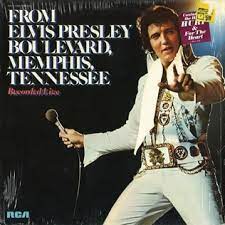
And I Love You So is a heartfelt ballad written by singer-songwriter Don McLean and originally released in 1970. Elvis Presley recorded the song during his famous Jungle Room sessions at Graceland in 1976, a period that produced some of his most personal and emotional recordings.
Released on the album From Elvis Presley Boulevard, Memphis, Tennessee, Elvis's version highlights the warmth and sincerity of his later-period vocals. The song's gentle melody and reflective lyrics allowed him to showcase a more intimate side of his singing, making it a favorite among fans of his ballad material.
Today, And I Love You So remains one of Elvis's most admired love songs from the 1970s and is often praised for its emotional delivery and timeless message of devotion.
What You'll Learn From This Lesson
This song is played in standard tuning with a capo on the 1st fret to match the original key. The rhythm follows a steady root down up down up, root up down up pattern throughout most of the song, making it more of an accompaniment piece than a guitar showcase. Aside from a simple introductory slide riff, there is very little lead work to learn. The main feature is a subtle climbing bass movement that appears at the beginning of the chorus and can be blended naturally into the rhythm.
The chords used in this arrangement are Gmaj7, Am, D7, D7sus, Em, C, G, Am/F, G/D#, G/E, and C/G.
I'd rate this as suitable for players who are comfortable learning a few additional chord shapes. The guitar part itself is not overly difficult, but the real challenge is maintaining a smooth ballad feel while supporting the vocal. If you prefer, you can omit the opening riff and simply focus on the rhythm guitar. Learn the chord progression first, keep the strumming relaxed, and let the chords ring naturally as you develop confidence singing over the arrangement.
Guitar Lesson Details - (chords & lyrics sheet incl with lesson)
Back To Song List
Are You Lonesome Tonight - Learn To Play On Acoustic Guitar
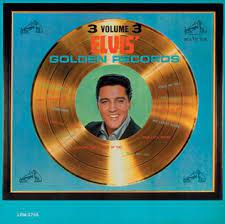
Are You Lonesome Tonight? became one of Elvis Presley's most successful and recognizable ballads when it was released in 1960. The song quickly climbed to the top of the charts, reaching No. 1 in the United States and becoming a major international hit.
Known for its heartfelt vocal performance and memorable spoken bridge, the song showcased a softer and more intimate side of Elvis's artistry. Its themes of lost love, regret, and loneliness connected with audiences around the world and helped make it one of the defining recordings of his career.
More than sixty years later, Are You Lonesome Tonight? remains one of Elvis's signature love songs and is still regarded as one of the finest ballads ever recorded during the early years of rock and roll.
What You'll Learn From This Lesson
Are You Lonesome Tonight is taught in standard tuning using a repeating root-up-down-up-down-up rhythm pattern that works throughout the song. The arrangement uses the chords Dm7, G7, C, G, D7, Em, Am, Am/G, C7, and F, creating the smooth vintage harmony that helped make this Elvis ballad a classic.
The biggest challenge is not the guitar playing itself but learning to support the vocal at a slow tempo. This lesson focuses on keeping a steady ballad groove, letting the chords ring naturally, and following the chord changes confidently through the melody. Because there is no lead work or picking required, you can concentrate on the rhythm and the song's relaxed feel.
Although the original recording contains a well-known spoken storytelling section, I simply hum through that portion in my arrangement. If you'd like to perform the spoken section yourself, you'll need to practice fitting the words around the chord changes while maintaining the rhythm.
I'd rate this lesson as beginner-friendly, making it a great choice for players looking to build confidence with classic Elvis ballads while developing their singing-and-playing skills.
Guitar Lesson Details - (chords & lyrics sheet incl with lesson)
Back To Song List
Ask Me - Learn To Play On Acoustic Guitar
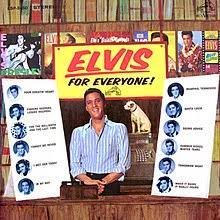
Ask Me is a romantic ballad that highlights Elvis Presley's ability to deliver a song with warmth, sincerity, and emotional depth. Released in 1964 as the B-side to Ain't That Loving You Baby, the song later appeared on the album Elvis For Everyone! and has remained a favorite among fans of his softer material.
Built around a gentle melody and heartfelt lyrics, Ask Me showcases the smooth vocal style that helped make Elvis one of the most successful ballad singers of his era. While it never achieved the fame of classics such as Love Me Tender or Are You Lonesome Tonight?, the song remains an excellent example of his ability to connect with listeners through simple but expressive performances.
Today, Ask Me is appreciated as one of the hidden gems in Elvis's catalog, particularly among fans who enjoy his romantic recordings from the 1960s.
What You'll Learn From This Lesson
Ask Me is taught in standard tuning using a steady down-up-down-up-down rhythm pattern that repeats throughout the song. While there is no lead guitar work to learn, the arrangement features a descending bass line that carries much of the song's movement and character, helping create the smooth, romantic feel that makes this Elvis ballad so memorable.
The lesson uses a wider variety of chords than many Elvis songs, including Em, A7, D, Bm, Gbm, Cm, Gm, C, F, Am/C, A/Db, B7, Em/D#, Em/D, and Dmaj7. Although the rhythm itself is straightforward, learning how the chord progression flows and how the descending bass notes connect the sections is an important part of making the song sound musical.
There is also a simple sliding riff that can be added to the arrangement. Because it is played on a single string and there is plenty of time to execute it, most players should find it very manageable.
I'd rate this lesson as beginner-friendly, although some of the chord shapes may be unfamiliar if you're new to Elvis ballads. Focus on the rhythm pattern first, then work on the chord changes and bass movement before adding the sliding embellishment.
Guitar Lesson Details - (chords & lyrics sheet incl with lesson)
Back To Song List
Fever
- Learn To Play On
Acoustic
Guitar
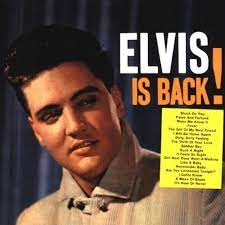
Fever is one of Elvis Presley's most distinctive recordings, blending pop, rhythm and blues, and a touch of sensuality into a performance that remains instantly recognizable. Included on the album Elvis Is Back! in 1960, the song helped showcase the more mature sound Elvis developed following his return from military service.
Built around a sparse arrangement and a steady rhythmic pulse, Fever relies heavily on Elvis's vocal delivery to create its atmosphere. His playful phrasing and confident performance transformed the song into one of the standout tracks from the album and a favorite among fans of his early 1960s recordings.
More than sixty years later, Fever continues to be celebrated as one of Elvis's most unique interpretations, demonstrating his ability to take an established song and make it entirely his own.
What You'll Learn From This Lesson
Fever is taught in standard tuning using a stripped-down arrangement that relies more on bass-note movement and groove than traditional rhythm guitar. Unlike many Elvis songs, you'll spend much of the verse playing single bass notes underneath the vocal, creating the moody, hypnotic feel that makes this song so recognizable.
The arrangement uses just three chords: C, G7, and Cm, making it easy to learn from a chord standpoint. Rather than constant strumming, the focus is on maintaining a steady bass pulse and adding a few quick shuffle strums near the end of each verse before returning to the bass pattern.
I've included an improvised picking break in my version, but you can easily continue with the rhythm approach if you prefer a simpler arrangement. The real challenge is not the chord progression but capturing the song's relaxed groove and supporting the vocal without overplaying.
I'd rate this lesson as beginner-friendly. Since you're primarily playing one note at a time through much of the song, most players can learn the mechanics fairly quickly. Once the bass pattern feels comfortable, focus on the vocal phrasing and the slightly teasing, sultry delivery that helped make Elvis's version so memorable.
Guitar Lesson Details - (chords & lyrics sheet incl with lesson)
Back To Song List
I Can't Help Falling In Love With You - Learn To Play On Acoustic Guitar
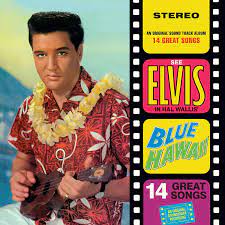
I Can't Help Falling In Love With You was recorded by Elvis Presley for the 1961 film Blue Hawaii and quickly became one of the most beloved songs of his career. Written by Hugo Peretti, Luigi Creatore, and George David Weiss, the song was based on the melody of the French love song Plaisir d'Amour. Its gentle arrangement and timeless message helped it become a worldwide hit and a signature performance for Elvis both on screen and on stage.
The song's heartfelt lyrics tell the story of someone who realizes they are powerless to resist falling in love. Combined with Elvis's warm vocal delivery and the song's memorable melody, it has remained a favorite for generations of listeners. Frequently performed at weddings and special occasions, I Can't Help Falling In Love continues to rank among the most recognizable and enduring love songs ever recorded by Elvis Presley.
What You'll Learn From This Lesson
I play this one in standard tuning using a gentle 1-2-3 up down up rhythm pattern, where the first three beats are picked as arpeggio notes before flowing into the strum. A few downstroke accents help emphasize key vocal phrases, particularly during the "falling in" sections, while the chorus shifts into a fuller down down down up down up pattern to create the song's rolling, waltz-like feel. There is no lead guitar in my arrangement, allowing the rhythm and vocals to carry the emotion of the song.
The chords used are D, A7, Bm, Bm/A, G, A7sus, Em, Gbm, Abm, Db, B7, and Dsus.
I'd rate this lesson as beginner to intermediate. The chord progression is manageable, but combining the arpeggio work with the strumming pattern takes a little practice to make it sound smooth and natural. Focus on keeping the rhythm relaxed, let the melody breathe, and gradually blend the picking and strumming together. Once the chord changes become comfortable, you'll have a full-sounding acoustic arrangement of one of Elvis Presley's most timeless love songs.
Guitar Lesson Details - (chords & lyrics sheet incl with lesson)
Back To Song List
I Just Can't Help Believing - Learn To Play On Acoustic Guitar
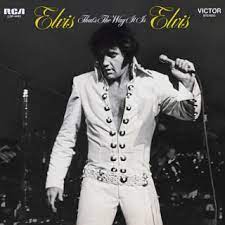
I Just Can't Help Believin' was originally written by Barry Mann and Cynthia Weil and became a hit for B.J. Thomas in 1970. Elvis Presley soon added the song to his live repertoire, delivering one of the most memorable performances of his concert years.
Featured in the documentary and album That's The Way It Is, Elvis's version combines powerful vocals with a rich orchestral arrangement, creating a dramatic and emotional interpretation of the song. His ability to build intensity throughout the performance helped make it a standout moment in both his live shows and recordings from the early 1970s.
The song became particularly popular with Elvis fans in the United Kingdom, where it reached the Top 10 as a single. Today, I Just Can't Help Believin' remains one of the most admired performances from his Las Vegas and touring years, showcasing the strength and maturity of his later-period voice.
What You'll Learn From This Lesson
I Just Can't Help Believing is taught using a capo on the 3rd fret, allowing you to stay close to the original key of F while playing more comfortable chord shapes including D, G, Dmaj7, Em, Asus7, A7, D7, Gm, A, A/Db, Bm, and Bm/A.
The lesson is played in Drop D tuning, which helps create a fuller sound and allows a bass riff to be blended naturally into the rhythm. The foundation is a root-down-up, root-up-down-up rhythm pattern that supports the song's relaxed, flowing feel while leaving plenty of room for the vocal.
Although there is a featured instrumental section, there is no dedicated lead guitar solo to learn. Instead, the break is created by changing the rhythm approach and using stronger downstrokes on the chords. The focus remains on accompaniment, timing, and supporting the melody rather than lead guitar technique.
I'd rate this lesson as beginner-friendly. Start by learning the chord progression and rhythm pattern, then add the Drop D bass riff before working on the chord accents used during the instrumental break. Once those pieces feel comfortable, focus on coordinating the vocals with the rhythm and bass movement.
Guitar Lesson Details - (chords & lyrics sheet incl with lesson)
Back To Song List
I'll Remember You - Learn To Play On Acoustic Guitar
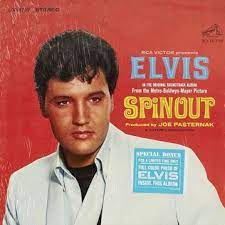
I'll Remember You was written by Hawaiian singer-songwriter Kui Lee and became one of the most touching ballads recorded by Elvis Presley during the 1960s. Originally featured in the 1966 film Spinout, the song gave Elvis an opportunity to showcase the warmth and sincerity that made his romantic recordings so enduring.
Built around themes of love, remembrance, and saying goodbye, I'll Remember You resonated strongly with audiences and eventually became a favorite in Elvis's live concerts during the 1970s. His later performances often carried even greater emotional weight, helping the song develop a lasting connection with fans.
Today, I'll Remember You remains one of the most beloved ballads in Elvis's catalog and is appreciated for its heartfelt lyrics, beautiful melody, and deeply expressive vocal performance.
What You'll Learn From This Lesson
I'll Remember You is taught in standard tuning using a capo on the 2nd fret and includes a key change while remaining focused on rhythm guitar and vocal accompaniment. The lesson uses the chords D, Gbm, G, A, A7, B7, Em, Gm, D7, E7, Abm, D#, Am, and Emaj7 to create the rich ballad sound heard in Elvis's famous Aloha From Hawaii performance.
The main rhythm pattern follows a root-down-up, root-up-down-up feel that gives the song its smooth, flowing movement. Near the end of the arrangement, a second rhythm pattern introduces a quicker shuffle feel that helps build the song's intensity without requiring any lead guitar work. There are no dedicated solos to learn, allowing you to focus on the chord changes, rhythm, and vocal delivery.
I'd rate this lesson as beginner-friendly. Start by learning the chord progression and both rhythm patterns. When played correctly, the rhythm creates a gentle swaying effect that supports the melody beautifully. Once the accompaniment feels comfortable, focus on coordinating the vocals and allowing the song's natural dynamics to develop.
Guitar Lesson Details - (chords & lyrics sheet incl with lesson)
Back To Song List
It's Now Or Never - Learn To Play On Acoustic Guitar
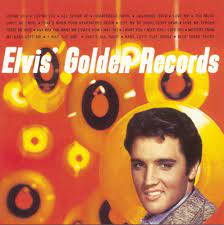
It's Now or Never became one of Elvis Presley's biggest international hits when it was released in 1960. Inspired by the Italian classic 'O Sole Mio, the song combined romantic lyrics with a dramatic melody, allowing Elvis to showcase a vocal style that was both powerful and refined.
The recording marked an important step in Elvis's musical evolution following his return from military service. Blending elements of pop, traditional balladry, and operatic influence, It's Now Or Never demonstrated a maturity that appealed to audiences well beyond his original rock and roll fan base.
The song topped charts around the world and remains one of the best-selling singles of Elvis's career. More than sixty years later, It's Now Or Never continues to be recognized as one of his signature love songs and a highlight of his recording legacy.
What You'll Learn From This Lesson
It's Now Or Never is taught in standard tuning using a root-down-up-down-up, root-up-down-up rhythm pattern that runs throughout most of the song. The arrangement uses the chords E, Gbm, B7, Am, and A, creating the dramatic chord movement that helped make this one of Elvis Presley's biggest hits.
What makes this lesson unique is the use of sliding riffs blended directly into the rhythm guitar. Rather than stopping to play separate lead lines, the riffs are worked into the accompaniment, helping create the song's distinctive Spanish-inspired feel. As the song moves into the chorus, the rhythm develops further with additional embellishments while still maintaining the flow of the accompaniment.
There is no dedicated lead break to learn, making the focus rhythm, timing, and integrating the riffs smoothly into the progression. The challenge is keeping the rhythm moving while the slides travel up and down the fretboard.
I'd rate this lesson as beginner to intermediate. The chord progression itself is very manageable, but coordinating the sliding riffs with the rhythm takes practice. Start by learning the chords and basic rhythm pattern, then gradually blend in the riffs before adding the vocals. Be aware that the melody climbs quite high near the end of the song, so you may need to experiment with the key if the original Elvis range feels uncomfortable.
Guitar Lesson Details - (chords & lyrics sheet incl with lesson)
Back To Song List
Love Me - Learn To Play On Acoustic Guitar
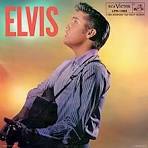
Love Me was originally released in 1956 and quickly became one of Elvis Presley's most beloved ballads. Although the song was not initially intended to be a major hit, overwhelming audience reaction during Elvis's live performances helped turn it into one of the standout recordings from the early years of his career.
Unlike the energetic rock and roll songs that first made him famous, Love Me revealed a softer and more romantic side of Elvis's musical personality. Its simple melody and heartfelt lyrics connected strongly with listeners and helped establish him as more than just a rock and roll performer.
Today, Love Me remains one of the signature love songs in Elvis's catalog and continues to be appreciated for its timeless message, emotional sincerity, and enduring popularity with fans around the world.
What You'll Learn From This Lesson
Love Me is taught in Drop D tuning with a capo on the 3rd fret, allowing you to stay close to the original key while using comfortable chord shapes. The arrangement uses D, D7, G, E7, and A7 along with a steady root-up-down-up, root-up-down-up rhythm pattern.
Rather than relying on lead guitar, the lesson focuses on blending walking bass runs directly into the rhythm, giving the song a fuller sound and adding a subtle bluesy flavor beneath the vocal. These bass movements help carry the arrangement while keeping the accompaniment simple and supportive.
There are no dedicated lead breaks to learn. Instead, the emphasis is on maintaining the rhythm, incorporating the bass movement smoothly, and supporting the vocal performance. One section also offers the opportunity to sing both the lead melody and portions of the softer background vocal response, making this a rewarding song for solo performers.
I'd rate this lesson as beginner-friendly to lower intermediate. The chords themselves are straightforward, but coordinating the walking bass movement while keeping the rhythm flowing takes a little practice. Start with the chord progression and rhythm pattern, then add the bass runs before bringing in the vocals.
Guitar Lesson Details - (chords & lyrics sheet incl with lesson)
Back To Song List
Love Me Tender - Learn To Play On Acoustic Guitar
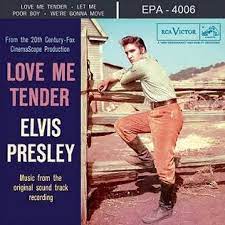
Love Me Tender is one of Elvis Presley's most enduring and recognizable love songs. Released in 1956, the gentle ballad introduced a softer side of Elvis at a time when he was best known for his energetic rock and roll performances.
Adapted from the Civil War-era melody Aura Lee, the song's simple arrangement and heartfelt lyrics helped it connect with audiences around the world. Its popularity was so great that Elvis's first motion picture was renamed Love Me Tender to capitalize on the success of the song.
More than six decades later, Love Me Tender remains one of the defining recordings of Elvis's career. Its timeless message of devotion and Elvis's sincere vocal performance have made it a favorite for generations of listeners and one of the most beloved love songs ever recorded.
What You'll Learn From This Lesson
Love Me Tender is taught in Drop D tuning using the chords D, E7, A7, Gb, Bm, Gm, and B7. The lesson begins with a simple root-down, bass-down rhythm pattern that closely matches the gentle feel of the original recording, making it accessible for beginners who want a straightforward strum-and-sing version.
As the arrangement develops, you'll learn several optional techniques that can make the song sound fuller on a single acoustic guitar. These include bass-note strumming, bass runs, a second rhythm pattern, and an optional picking section that can be added once the basic version feels comfortable. None of these additions are required, but they provide a natural progression for players who want a richer solo arrangement.
I'd rate this lesson as easy beginner if you play the song using the original rhythm approach throughout. If you choose to add the bass runs, fuller rhythm patterns, and picking section, the lesson moves into the intermediate range. Start by mastering the chord progression and opening rhythm pattern, then gradually add the bass movement and optional embellishments before bringing in the vocals.
Guitar Lesson Details - (chords & lyrics sheet incl with lesson)
Back To Song List
Marie's The Name (His Latest Flame) - Learn To Play On Acoustic Guitar

Marie's The Name (His Latest Flame) became one of Elvis Presley's biggest international hits when it was released in 1961. Built around a distinctive rhythm and memorable melody, the song tells the story of a man who is trying to move on from a past relationship, only to discover that his former love has found someone new.
The recording showcased Elvis's ability to blend pop, rock and roll, and storytelling into a performance that connected with audiences around the world. Its unique arrangement and emotional lyric helped the song stand out from many of the love songs of the era, making it one of the most recognizable recordings from his early 1960s period.
More than sixty years later, Marie's The Name (His Latest Flame) remains a favorite among Elvis fans and is often remembered as one of the standout singles from his post-army years.
What You'll Learn From This Lesson
Marie's The Name (His Latest Flame) is taught in standard tuning using just four chords: G, Em, C, and D. The lesson focuses on rhythm and groove rather than lead guitar, making it a great introduction to the more upbeat side of Elvis Presley's catalog.
The foundation of the arrangement is a steady up-and-down shuffle rhythm, with occasional double downstrokes used to accent specific chord changes and help capture the song's distinctive chopped rhythmic feel. To add a little extra movement, simple bass-note runs are blended into the C and D chords, creating a subtle sway that helps drive the arrangement forward.
There is no dedicated lead guitar to learn, allowing you to focus on maintaining the groove while supporting the vocal. The challenge is not the chord progression itself but keeping the rhythm consistent and energetic throughout the song.
I'd rate this lesson as easy beginner. Start by learning the four chords and the basic shuffle rhythm, then add the double downstroke accents and bass-note movement. Once the rhythm feels natural, combine everything with the vocals to create a fun and recognizable Elvis arrangement.
Guitar Lesson Details - (chords & lyrics sheet incl with lesson)
Back To Song List
Mary In The Morning (fingerpicking) - Learn To Play On Acoustic Guitar
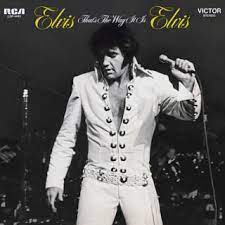
Mary In The Morning is a romantic ballad written by Michael Rashkow and Johnny Cymbal that became a popular recording for several artists during the late 1960s. Elvis Presley recorded the song for his 1970 album That's The Way It Is, where it fit perfectly alongside the polished and mature vocal style that defined many of his recordings from that period.
Built around themes of love, admiration, and devotion, the song celebrates the joy of sharing life with someone special. Elvis's warm and sincere performance helped make the song a favorite among fans who appreciate his softer, more romantic material.
Although other artists also found success with the song, Elvis's version remains one of the best-known recordings and continues to be admired for its heartfelt delivery and timeless message.
What You'll Learn From This Lesson
Mary In The Morning is taught as a fingerstyle acoustic arrangement in standard tuning using the chords C, F, G6, Am, D7, and G. Rather than relying on a simple strumming pattern, this lesson combines chord accompaniment with fingerpicked passages that help create a fuller solo guitar performance.
The arrangement includes two solo sections that follow the melody of the song, allowing you to capture the feel of the original recording while keeping the guitar part interesting between vocal sections. The focus is on smooth chord transitions, expressive dynamics, and supporting the vocal with a warm fingerstyle approach that suits the ballad perfectly.
I'd rate this lesson as intermediate. The chord progression itself is very manageable, but coordinating the fingerpicking patterns, melody sections, and vocals requires practice. Start by learning the chord structure and picking patterns separately before combining them into a complete performance arrangement.
Guitar Lesson Details - (chords & lyrics sheet incl with lesson)
Chords & Lyrics & Tab with PurchaseBack To Song List
Return To Sender - Learn To Play On Acoustic Guitar
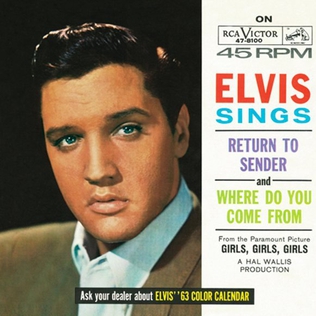
Return To Sender was one of Elvis Presley's biggest hits of the early 1960s. Featured in the 1962 film Girls! Girls! Girls!, the song tells the lighthearted story of a man whose letters to a former sweetheart keep coming back marked "return to sender."
Built around a catchy melody and playful lyrics, the recording blended pop and rock and roll elements into a song that quickly became a favorite with fans. Its memorable chorus and upbeat energy helped it become a major international success, reaching the top of the charts in several countries and establishing itself as one of Elvis's most recognizable recordings.
More than sixty years later, Return To Sender remains a staple of Elvis compilations and is often remembered for its charm, humor, and timeless appeal.
What You'll Learn From This Lesson
Return To Sender is taught in Drop D tuning using the chords D, Bm, Em, A7, G, A, and E7. The lesson focuses on creating the song's upbeat, bouncy feel by combining a steady down-up-down-up rhythm pattern with walking bass lines and a few quick riffs woven directly into the accompaniment.
There is no dedicated lead guitar section, but the walking bass movement plays an important role in capturing the energy and character of the original recording. The arrangement is designed to sound full on a single acoustic guitar while still supporting the vocal throughout the song.
I'd rate this lesson as intermediate because of the frequent walking bass runs and quick transitions between rhythm and riff-based playing. Start by learning the chord progression and rhythm pattern, then gradually add the bass movement and signature riff before combining everything with the vocals.
Guitar Lesson Details - (chords & lyrics sheet incl with lesson)
Back To Song List
Separate Ways - Learn To Play On Acoustic Guitar
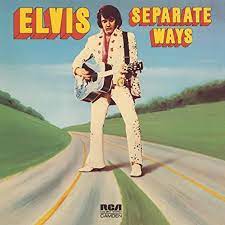
Separate Ways is one of the most personal and emotional recordings from Elvis Presley's later career. Released in 1972, the song reflects the pain and uncertainty of a relationship coming to an end, themes that resonated deeply with Elvis during a difficult period in his personal life.
Built around a heartfelt lyric and a moving vocal performance, Separate Ways explores the impact of separation on both parents and children, giving the song an emotional depth that set it apart from many traditional love songs. Elvis's sincere delivery helped connect with listeners who had experienced similar struggles, making it one of the most poignant ballads of his 1970s catalog.
Although it was overshadowed commercially by its famous B-side, Always On My Mind, Separate Ways has earned lasting respect among Elvis fans and is often regarded as one of the most touching recordings from his later years.
What You'll Learn From This Lesson
Separate Ways is taught in Drop D tuning with a capo on the 2nd fret and combines gentle rhythm guitar with melodic fills to create a full solo acoustic arrangement. The song begins with an arpeggiated introduction built around D, Dmaj7, and D7 before moving into a soft shuffle rhythm that supports the vocal throughout the performance.
The lesson uses the chords D, Dmaj7, D7, G, Em, A, and A7 and introduces a flowing down-up, down-up-down-up shuffle pattern that helps maintain the song's smooth country-pop ballad feel. Two identical melody-based instrumental sections appear during the song, blending lead notes and rhythm together while following the vocal melody rather than introducing a separate guitar solo.
I'd rate this lesson as intermediate. The chord progression itself is approachable, but the arpeggiated introduction, melody-based breaks, and coordination between rhythm and lead-style passages require additional practice. Start with the chord progression and rhythm pattern, then learn the intro and melodic fills before combining everything with the vocals.
Guitar Lesson Details - (chords & lyrics sheet incl with lesson)
Back To Song List
Stuck On You - Learn To Play On Acoustic Guitar
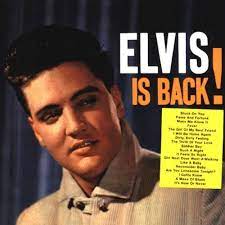
Stuck on You marked Elvis Presley's triumphant return to the music charts following his military service. Released in 1960, the song quickly became a major hit, reaching No. 1 on the Billboard Hot 100 and reaffirming his status as one of the world's most popular recording artists.
Blending elements of pop, rock and roll, and country influences, Stuck On You features a bright melody and lyrics that celebrate devotion and lasting affection. The song's upbeat feel and memorable chorus helped make it an instant favorite with fans and one of the defining recordings from Elvis's early 1960s period.
More than sixty years later, Stuck On You remains one of Elvis's most recognizable love songs and continues to be appreciated for its charm, optimism, and timeless appeal.
What You'll Learn From This Lesson
Stuck On You is taught in standard tuning using the chords G, C/G, C, D, and an optional C7. The lesson focuses on creating the song's relaxed, bouncy feel through steady rhythm playing, hammer-ons, and a few simple embellishments that help bring the arrangement to life.
The foundation of the song is a continuous down-down-up-down-up-down-up-down-up-down-up rhythm pattern that keeps the groove moving throughout. To capture the classic Elvis feel, you'll learn how to use hammer-ons on the chord changes and move between the G and C/G shapes to create a fuller accompaniment. The arrangement also includes a slide blended into the rhythm during the chorus along with a few chop-style accents that add extra character without requiring any lead guitar work.
I'd rate this lesson as beginner friendly. Start by learning the chord progression and rhythm pattern, then work on the hammer-ons and slide before combining everything with the vocals.
Guitar Lesson Details - (chords & lyrics sheet incl with lesson)
Back To Song List
Surrender - Learn To Play On Acoustic Guitar
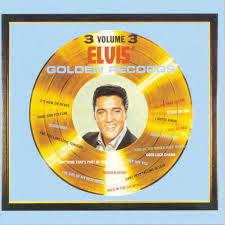
Surrender became one of Elvis Presley's biggest international hits when it was released in 1961. Adapted from the Italian standard Torna a Surriento, the song combined a soaring melody with passionate lyrics, allowing Elvis to showcase the powerful vocal style that had become one of his trademarks during the early 1960s.
The recording was an immediate success, reaching No. 1 in several countries and further establishing Elvis as a global music star. Blending elements of pop, traditional balladry, and romantic storytelling, Surrender demonstrated his ability to move effortlessly beyond rock and roll into more dramatic and sophisticated material.
More than sixty years later, Surrender remains one of Elvis's most recognizable love songs and is widely regarded as one of the standout recordings from his post-army years.
What You'll Learn From This Lesson
Surrender is taught in standard tuning and can be played in the original key using a capo on the 1st fret, although this lesson is taught one fret lower with no capo. The arrangement focuses on recreating the song's dramatic, orchestral feel on a single acoustic guitar through rhythm, bass movement, and dynamic changes rather than lead guitar.
The song begins with a series of steady downstrokes combined with bass-note movement that helps capture the sweeping Latin-inspired feel of the original recording. As the arrangement develops into the chorus, the rhythm changes to a down-down-up-down-up-down-up pattern that adds energy and helps support the vocal. You'll also learn a few simple hammer-ons and ways to use bass movement to suggest the original orchestration while moving through the chords Dm, Gm, A7, Dmaj7, D, Em, Gbm, and Bm.
I'd rate this lesson as beginner friendly. There is no lead guitar to learn, but you'll want to practice the chord progression, bass movement, rhythm changes, and vocal phrasing separately before combining them into a complete performance.
Guitar Lesson Details - (chords & lyrics sheet incl with lesson)
Back To Song List
The Wonder Of You - Learn To Play On Acoustic Guitar
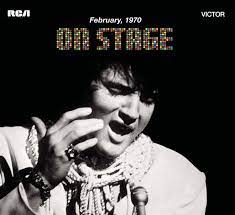
The Wonder Of You became one of Elvis Presley's most successful recordings of the 1970s. Captured during a live performance and released in 1970, the song showcased the power and confidence of Elvis's stage presence during his return to live performing.
Built around a soaring melody and lyrics expressing admiration and gratitude for a loved one, the song quickly connected with audiences around the world. Elvis's passionate vocal delivery, combined with the energy of a live performance, helped make it one of the standout recordings of his later career.
The song reached the top of the charts in several countries and remains one of Elvis's signature ballads. Today, The Wonder Of You is widely regarded as one of his finest live recordings and one of the most enduring love songs in his catalog.
What You'll Learn From This Lesson
The Wonder Of You is taught in standard tuning and combines rhythm guitar, bass movement, orchestral-style fills, and a melody-based lead section to create a fuller solo acoustic arrangement. The lesson begins with an introductory riff designed to mimic the feel of the original orchestration before moving into a distinctive rhythm pattern built around a down-up, muted downstroke, up-down feel that gives the song its unique pulse.
Throughout the arrangement you'll learn how to blend bass-note movement into the rhythm while supporting the vocal through the chords D7, G, Em, Am, D7sus, G7, E7, C, Bm, and D#. The lesson also includes a lead section woven into the rhythm that follows the melody, although players who prefer a simpler version can continue humming through that section without playing the lead.
I'd rate this lesson as intermediate. The chord progression itself is manageable, but the orchestral-style intro, bass movement, rhythm variations, and melody-based lead section require additional coordination. Start by learning the rhythm pattern and chord progression, then add the bass movement, introductory riff, and lead section before combining everything with the vocals.
Guitar Lesson Details - (chords & lyrics sheet incl with lesson)
Back To Song List
FAQ For Elvis Presley Love Songs
What Makes Elvis Love Songs So Popular With Guitar Players?
Elvis recorded hundreds of songs during his career, but his love songs remain some of the most popular with acoustic guitar players because they combine memorable melodies, singable vocal ranges, and chord progressions that work well on a single guitar. Songs such as Love Me Tender, Are You Lonesome Tonight, The Wonder Of You, and Love Me can be performed as complete solo arrangements while still capturing the feel of the original recordings.
Can Elvis Love Songs Be Played On Acoustic Guitar?
Absolutely. While many Elvis recordings featured orchestras, backing bands, and vocal groups, most of his love songs adapt very well to acoustic guitar. By combining rhythm patterns, bass-note movement, walking bass lines, and occasional fills, players can create a full solo arrangement while still supporting the vocal melody.
Are Elvis Love Songs Good For Learning To Sing And Play At The Same Time?
Yes. Many Elvis love songs focus on steady rhythm patterns that support the vocal rather than complex lead guitar work. Songs such as Love Me, Stuck On You, and Love Me Tender help players develop the ability to maintain a groove while concentrating on phrasing, timing, and vocal delivery.
Why Are So Many Elvis Love Songs Ballads?
Elvis became famous for his ability to interpret emotional material. Ballads such as Are You Lonesome Tonight, Separate Ways, Surrender, and The Wonder Of You allowed him to showcase his vocal expression while telling a story. These slower arrangements also work particularly well for solo acoustic guitar.
Are Elvis Love Songs Beginner-Friendly?
Many Elvis love songs use straightforward chord progressions and basic rhythm patterns, making them accessible to newer players. However, some arrangements add walking bass lines, fingerpicking, melody-based breaks, and dynamic accompaniment techniques that can raise the difficulty to an intermediate level.
What Chords Are Common In Elvis Love Songs?
Many Elvis love songs are built around common major and minor chord progressions using chords such as G, C, D, A, E, Am, Em, and B7. More advanced arrangements may introduce passing chords, bass-note movement, and key changes to better capture the feel of the original recordings.
Do I Need To Learn Lead Guitar To Play Elvis Love Songs?
Not necessarily. Many Elvis love songs rely more on rhythm guitar, vocal phrasing, bass-note movement, and accompaniment than traditional lead guitar solos. Players can often create a convincing arrangement using chords, rhythm patterns, and a few signature fills.
How Do You Recreate Elvis's Orchestral Sound On One Guitar?
Many acoustic arrangements use bass-note movement, chord embellishments, rhythm changes, melody-based fills, and dynamic playing to suggest the feel of the original orchestra. The goal is not to duplicate every instrument but to capture the mood and energy of the recording with a single guitar.
From early classics such as Love Me and Love Me Tender to later ballads such as I'll Remember You and Separate Ways, Elvis Presley recorded some of the most enduring love songs in popular music.
Whether you're looking for simple beginner arrangements or more advanced acoustic guitar interpretations featuring fingerpicking, bass movement, and melody-based fill, these lessons provide a rewarding way to explore the romantic side of The King's catalog.
If you enjoy Elvis Presley's timeless rock 'n' roll style, you may also enjoy guitar lessons from fellow 1950s pioneers including The Everly Brothers, Roy Orbison, Ricky Nelson, Chuck Berry, and Buddy Holly. You can also return to our 50s Guitar Songs directory to explore even more classic artists and songs.
If you liked this Elvis Presley love songs page you might also like ... (click images)
Top Hits Of The 50s
Latest 100 Tutorials
© 2019–2026 KirbysGuitarLessons.com — All Rights Reserved