Elvis 70s Guitar Songs – 11 Acoustic Guitar Lessons
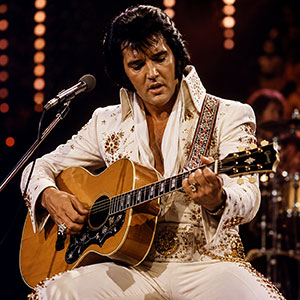
Elvis Presley's music in the 1970s covered a lot of ground, from driving rock songs and country-flavored recordings to soulful ballads and polished live performances. These acoustic guitar lessons reflect that variety with songs such as Burning Love, Kentucky Rain, Walk A Mile In My Shoes and Way Down, along with several lesser-known recordings from the decade.
Most of these arrangements focus on rhythm rather than extended lead guitar, but that doesn't always mean they're simple. You'll encounter steady strumming patterns, arpeggio picking, hammer-ons, bass runs, walking bass, rhythmic accents and short riffs that help one acoustic guitar capture the feel of the original recordings. There are beginner-friendly choices as well as more involved intermediate arrangements, so you can start with the easier songs and gradually work your way into the ones that require more timing and coordination.
🎸 Watch the Elvis Presley 70s Guitar Lessons Overview
performance clips taken directly from the complete lesson videos.
Click Play, then drag the timeline to quickly preview any Elvis Presley lesson featured on this page.
Note: Every arrangement has been personally created, recorded and taught by Kirby
using teaching methods refined through decades of acoustic guitar instruction.
What's Included With Every Lesson
📦 Your Lesson Package Includes
✓ 8–12 minute HD video lesson so you can learn each song step-by-step.
✓ Printable chords & lyrics PDF for easy practice away from the screen.

✓ Instant download—start playing in minutes.
✓ Learn at your own pace on any device.
Easy Elvis Guitar Songs
Elvis Songs In The 50s
Elvis Guitar Songs From The Movies
Elvis Presley Love Songs
Elvis Gospel & Inspirational Songs
Elvis Country And Blues Songs
More Elvis Resources
10 Elvis Presley Coloring Pages
12 Elvis Presley Wall Art
New to 70s Elvis?
Start with How The Web Was Woven or I'm Leavin' for straightforward rhythm-based arrangements without lead or bass runs. From there, try Kentucky Rain or Thinking About You to introduce arpeggio picking, rhythm changes and bass movement. When you're ready for more of a challenge, move into Burning Love, I've Got A Thing About You Baby, or Walk A Mile In My Shoes, where faster rhythms, hammer-ons and riffs require better timing and coordination. Finish with Way Down for a more involved acoustic arrangement that combines a driving shuffle with bass riffs, walking bass and rhythmic chops.
Elvis Presley Guitar Lessons Included On This Page
For The Heart Guitar Lesson
How The Web Was Woven Guitar Lesson
I'm Leavin' Guitar Lesson
It's Impossible Guitar Lesson
I've Got A Thing About You Baby Guitar Lesson
Kentucky Rain Guitar Lesson
The Next Step Is Love Guitar Lesson
Thinking About You Guitar Lesson
Walk A Mile In My Shoes Guitar Lesson
Way Down Guitar Lesson
Burning Love
- Learn To Play On Acoustic Guitar
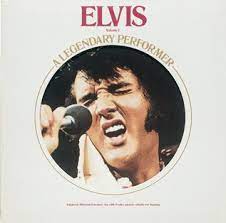
Burning Love was written by Dennis Linde and recorded by Elvis Presley at RCA's Hollywood studio in March 1972. Released as a single later that year, the hard-driving rock song gave Elvis one of the biggest hits of his 1970s career. Its energetic arrangement, prominent guitar work and memorable "hunka hunka burnin' love" refrain helped distinguish it from many of the ballads and country-influenced recordings Elvis was making during this period.
The single climbed to No. 2 on the Billboard Hot 100 and reached No. 1 on the Cash Box chart. It became Elvis's final Top 10 hit on the Billboard Hot 100 during his lifetime. Elvis also performed Burning Love regularly on stage, including during the 1973 Aloha from Hawaii concert, helping establish it as one of the signature songs of his later career.
What You'll Learn From This Lesson
I play Burning Love in the key of D using Drop D tuning, which gives you that deeper D bass note and helps fill out the sound when playing this arrangement on one acoustic guitar. Drop D is optional, however, and the song can still be played without it. The four chords you'll need are D, G, A and Bm.
The rhythm is a steady down-down-down-up-down-down-up-down-up pattern that repeats throughout the song. Hammer-ons are blended into the rhythm to help create the driving rock-and-roll groove, along with several bass runs and one noticeable descending bass line. There is no lead work in this arrangement, so the focus stays on maintaining the rhythm while working those bass notes and hammer-ons smoothly into your strumming.
I'd rate this lesson beginner to intermediate, mainly because of the bass work incorporated into the rhythm. Learn the four chords first, get comfortable with the Drop D tuning if you choose to use it, and then work on the rhythm before adding the bass runs and hammer-ons. Vocally, Burning Love can also be challenging because this arrangement is at the high end of D, so you'll need some vocal range to deliver the song comfortably.
Guitar Lesson Details - (chords & lyrics sheet incl with lesson)
Back To Song List
For The Heart - Learn To Play On Acoustic Guitar
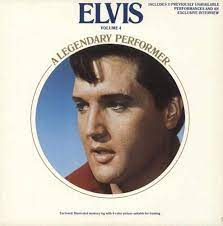
For the Heart came from Elvis Presley's February 1976 recording sessions in the Jungle Room at Graceland, a period when a mobile recording setup was brought directly into his Memphis home. Written by Dennis Linde, who also wrote Burning Love, the song combines country and rock influences with a relaxed but driving feel that suited Elvis's later musical style.
Released in March 1976 as the B-side of Hurt, For The Heart received enough attention to chart independently, reaching the Billboard country chart. Its mixture of country rhythm, prominent guitar and an expressive Elvis vocal makes it a good example of the varied material he was recording during the final years of his career.
The song was later covered by several artists, including The Judds, whose 1983 version became their first charting country single.
What You'll Learn From This Lesson
For The Heart is taught in standard tuning using the chords G, C, C/G, D, and A7. While the original recording sits quite high vocally in the key of D, this arrangement is taught in the more guitar-friendly key of G, making it easier for most singers to perform.
The foundation of the song is a steady down-up-down rhythm pattern, but much of the character comes from the additional techniques built into the arrangement. The G chord alternates with a C/G hammer-on shape, creating the country-pop groove that drives the song. As the arrangement develops, you'll also learn walking bass movement in the chorus, shuffle strumming patterns that help mimic the feel of the drums, and a short picking riff while holding the G chord before the verse returns.
Although the chord progression itself is fairly approachable, the lesson teaches several techniques working together at the same time. I'd rate this one as beginner to intermediate. Start by mastering the G and C/G hammer-ons and rhythm pattern, then add the walking bass movement, shuffle strumming, and picking figure before combining everything with the vocals.
Guitar Lesson Details - (chords & lyrics sheet incl with lesson)
Back To Song List
How The Web Was Woven - Learn To Play On Acoustic Guitar
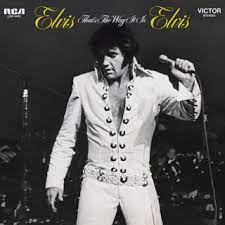
How the Web Was Woven is one of the dramatic ballads Elvis recorded during his productive Nashville sessions in June 1970. Written by British songwriters Clive Westlake and David Most, the song had previously been recorded by Jackie Lomax before Elvis brought his own interpretation to it.
Elvis's recording appeared later that year on the album That's the Way It Is. Rather than the driving rock sound heard on some of his early-1970s material, the song builds gradually around a romantic lyric that compares falling in love to becoming caught in a web from which there is no escape. Elvis moves from restrained verses into a much stronger vocal as the arrangement develops.
Although How The Web Was Woven was not released as a U.S. single, it became part of an album that captured Elvis at an important transition point between his late-1960s comeback and the polished concert and studio recordings that defined the early 1970s.
What You'll Learn From This Lesson
I play How The Web Was Woven in the key of G using standard tuning. The chords you'll need are G, C/G, G7, C, Am, D and Bm. The song has a slow ballad feel, with a steady down-down-up-down-up-down-up rhythm pattern that repeats throughout the arrangement.
There is no lead work and no real bass runs that need to be duplicated, so the guitar part is fairly straightforward. The main focus should be on keeping the rhythm relaxed and making the chord changes smooth so the accompaniment supports the vocal rather than overpowering it.
I'd rate this one beginner-friendly. Learn the chords first, get comfortable with the rhythm pattern and then concentrate on clean transitions between the chord shapes. The bigger challenge may actually be the singing. Elvis is working near the upper end of the key of G, and I also found this one to be a fairly high vocal, so some players may find the vocals more demanding than the guitar arrangement itself.
Guitar Lesson Details - (chords & lyrics sheet incl with lesson)
Back To Song List
I'm Leavin' - Learn To Play On Acoustic Guitar
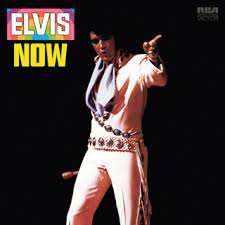
I'm Leavin' gave Elvis Presley a somewhat different sound when it appeared as a single in 1971. Written by Michael Jarrett and Sonny Charles, the song was recorded in Nashville during Elvis's sessions at RCA Studio B and released that June with Heart of Rome on the B-side.
Built around an unusual, atmospheric arrangement, I'm Leavin' moves between quiet passages and a stronger chorus rather than following the straightforward approach of many Elvis singles. His restrained vocal during the verses adds to the feeling of uncertainty and separation in the lyric, while the backing vocals and changing dynamics gradually increase the intensity.
The single reached No. 36 on the Billboard Hot 100 and also crossed over to the Easy Listening chart. It was later included on the 1972 album Elvis Now. Although not one of his biggest hits, I'm Leavin' stands out among Elvis's early-1970s recordings for its distinctive arrangement and reflective mood.
What You'll Learn From This Lesson
I play I'm Leavin' in standard tuning with a steady down-up-down-up rhythm pattern throughout most of the song. The chords you'll need are D, C, D/A#, Dmaj7, G, Gm, Em, A7, D/Gb and A. There is no lead work or bass runs in this arrangement, so the main focus is on the chords and maintaining a smooth, consistent rhythm.
In a few places the steady strumming pauses and you'll use light downstrokes to accent several chords before returning to the regular rhythm. When the progression moves to the A chord, I also add a hammer-on that briefly changes the feel and gives the arrangement a touch of rock-and-roll flavor.
I'd rate this lesson beginner-friendly. There are quite a few chord shapes to learn, but once you're comfortable with them, the steady rhythm makes the song fairly easy to manage. Practice the accented downstroke sections and the hammer-on separately, then work them into the full arrangement. Vocally, I find this one sits in a comfortable range, making it a good choice for players who want to sing along while they play.
Guitar Lesson Details - (chords & lyrics sheet incl with lesson)
Back To Song List
It's Impossible - Learn To Play On Acoustic Guitar
It's Impossible began as Somos Novios, a Spanish-language song written and recorded by Mexican composer Armando Manzanero. English lyrics were later written by Sid Wayne, and Perry Como turned It's Impossible into an international hit in 1970, taking the song to No. 10 on the Billboard Hot 100.
Elvis added the romantic ballad to his stage repertoire during the early 1970s. His officially released version was recorded live at the Las Vegas Hilton in February 1972, capturing the polished orchestral sound that had become an important part of his concerts during this period. Rather than treating the song as a simple pop ballad, Elvis gradually builds the performance toward a stronger, more dramatic finish.
The recording was released later in 1972 on the live album Elvis as Recorded at Madison Square Garden. It's Impossible provides a good example of the contemporary pop standards Elvis incorporated into his 1970s concerts alongside his rock, country and earlier hit material.
What You'll Learn From This Lesson
I play It's Impossible in standard tuning with a capo on the 2nd fret. There are quite a few chords and some less familiar shapes in this arrangement, including D, D/Cb, Dmaj7/Db, Em, E7sus4(b5), Gbsus, Gb, Bm, Am7, D7, Am, B7, Em7, Gm, E, E7, A7 and Dmaj7.
There is no lead work in the lesson. The main rhythm uses a steady down-down-up-down-up-down-down-down-up pattern that repeats throughout most of the song. There are also a few sections with underlying bass movement that I teach as part of the arrangement, and near the end you'll switch into some shuffle strumming before finishing the song.
I'd rate this lesson beginner to intermediate, mainly because of the number of chords and some chord shapes that beginners may not have encountered before. Don't let the long chord list discourage you, though. Learn the unfamiliar shapes first and then get comfortable with the one main rhythm pattern. Once the chord changes become familiar, you should be able to move through the arrangement without too much trouble.
Guitar Lesson Details - (chords & lyrics sheet incl with lesson)
Back To Song List
I've Got A Thing About You Baby - Learn To Play On Acoustic Guitar
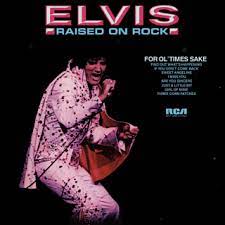
I've Got a Thing About You Baby was written by Tony Joe White, the Louisiana songwriter best known for Polk Salad Annie and his distinctive blend of swamp rock, blues and country music. Elvis recorded the song during his productive Stax sessions in Memphis in December 1973, a series of recordings that produced much of his mid-1970s material.
With its relaxed groove and Southern feel, the song was a natural fit for Elvis's style. The recording combines elements of rock, country and rhythm and blues while giving Elvis plenty of room to deliver the lyric with confidence and energy. The influence of Tony Joe White's songwriting can be heard throughout the track, particularly in its rhythmic feel and conversational vocal approach.
Released as a single in 1974, paired with Take Good Care of Her, the song reached the country charts and became one of several successful recordings to emerge from the Stax sessions. Today it remains a popular example of Elvis's ability to adapt contemporary Southern music to his own sound.
What You'll Learn From This Lesson
I play I've Got A Thing About You Baby in standard tuning using the chords E, A, Abm and Gbm. The verses use a steady down-up-down-up muted rhythm that gives the song its driving groove, along with a basic bass run that leads into the chorus. Once you reach the chorus, let the strings ring more freely and change the rhythm to a down-down-up-down-up-down-up pattern for a more open and relaxed sound.
There is no lead work required, but the main challenge is a quick-moving riff created by moving between the lower-position E, Gbm and an E played farther up the fretboard. That back-and-forth movement gives the acoustic arrangement one of its most recognizable features and requires some practice to play smoothly at tempo.
I'd rate this lesson intermediate. Start by learning the four chords and getting comfortable with the muted verse rhythm. Next, work on the more relaxed chorus pattern and bass run before practicing the moving chord riff on its own. Once those pieces are comfortable, put everything together and then add the vocal over top.
Guitar Lesson Details - (chords & lyrics sheet incl with lesson)
Back To Song List
Kentucky Rain
- Learn To Play On
Acoustic
Guitar
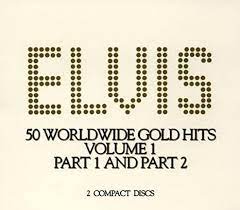
Kentucky Rain was one of the recordings to emerge from Elvis Presley's celebrated 1969 sessions at American Sound Studio in Memphis. Written by Eddie Rabbitt and Dick Heard, the song was released as a single in early 1970 and became one of Elvis's first major hits of the new decade.
The lyric follows a man traveling through Kentucky in search of a woman who has left him, asking strangers for help as he walks through the cold rain. Elvis's increasingly powerful vocal is matched by a dramatic arrangement that includes pianist Ronnie Milsap, years before Milsap became a major country star himself.
Kentucky Rain reached No. 16 on the Billboard Hot 100 and became a strong country crossover hit. Its combination of storytelling, country influences and the polished Memphis sound makes it one of the recordings that helped connect Elvis's late-1960s comeback period with the music he would make during the 1970s.
What You'll Learn From This Lesson
I play Kentucky Rain in standard tuning, beginning with a combination of downstrokes and arpeggio note picking as you move through the intro chords. Once the vocal begins, the main rhythm changes to a steady down-down-up-down-up-down-up pattern that repeats throughout much of the song. There are also several sections where accented downstrokes interrupt the regular strumming and give the rhythm a more chopped feel.
There are quite a few chords in this arrangement, including Cmaj7, Fmaj7, Gsus, G, C, F, D, D7, Am, Dm, Em and G6. There is no lead work required, so the main challenge comes from the chord changes, arpeggio picking and switching smoothly between the regular rhythm and the accented sections.
I'd rate this lesson beginner-friendly to intermediate. Learn the chords first, then practice the opening arpeggio and the main rhythm pattern separately. Once those are comfortable, work on the accented downstrokes and be prepared for a few quick chord changes along the way. Put the complete guitar arrangement together first and add the vocals last.
Guitar Lesson Details - (chords & lyrics sheet incl with lesson)
Back To Song List
The Next Step Is Love - Learn To Play On Acoustic Guitar
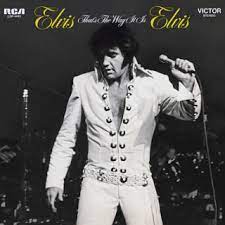
The Next Step Is Love brought a lighter, optimistic tone to Elvis Presley's recordings in 1970. Written by Paul Evans and Paul Parnes, the song was recorded during Elvis's productive June sessions at RCA Studio B in Nashville, which supplied material for several releases during the early part of the decade.
The song was first released in July 1970 as the B-side of I've Lost You. It later appeared on the album That's the Way It Is, which combined studio recordings with live performances from Elvis's 1970 Las Vegas engagement.
Built around the idea of two people moving forward together rather than worrying about what lies ahead, The Next Step Is Love has an upbeat pop feel with touches of country. It represents the more relaxed side of Elvis's early-1970s material and provides a contrast to the dramatic ballads and larger stage productions associated with this period.
What You'll Learn From This Lesson
I play The Next Step Is Love in standard tuning with a capo on the 3rd fret. The rhythm uses a down-down-down, down-up-down-up-down-up-down-up-down-up pattern that repeats throughout the song. There is no lead work required, but there are quite a few chords because the arrangement eventually changes key from C to D.
The chords you'll need are C, Em, F, Am, Dm, Am7, A#, Gm, Cmaj7, C7, A7, D, D/C, D/B, Dmaj7, Gbm and Bm. Once the key change occurs, I also work an underlying descending bass line into the arrangement while continuing with the same basic rhythm pattern.
I'd rate this lesson beginner to intermediate, mainly because of the number of chords, the key change and the bass movement in the second half. I'd recommend learning the chords for the first section along with the rhythm before moving on. Then learn the second group of chords and descending bass line using the same rhythm pattern. Once you can play both sections smoothly and make the key change comfortably, put the entire arrangement together and add the vocals last.
Guitar Lesson Details - (chords & lyrics sheet incl with lesson)
Back To Song List
Thinking About You
- Learn To Play On
Acoustic
Guitar

Thinking About You came from Elvis Presley's December 1973 sessions at Stax Studios in Memphis, a productive period that produced much of the material heard on his Good Times and Promised Land albums. Written by Tim Baty, the song combines a relaxed country feel with the polished backing that characterized many of Elvis's Stax recordings.
Rather than building toward the dramatic style heard on some of his 1970s ballads, Thinking About You maintains an easygoing rhythm as Elvis sings about being unable to put a past relationship out of his mind. The straightforward lyric and country-flavored arrangement give the recording a more intimate feel.
The song was released on the Promised Land album in January 1975. Although never one of Elvis's major singles, it provides another example of the strong country influence running through his Memphis recordings during the middle of the decade.
What You'll Learn From This Lesson
I play Thinking About You in standard tuning, beginning with some light arpeggio picking through the opening chords before the vocals and main rhythm kick in. For most of the song I use a root-down-up-down-up-down-up pattern, but during the second half of the chorus the rhythm changes to a down-down-up-down-up pattern that gives that section a more chopped feel.
The chords you'll need are D, A/Db, Bm, Bm/A, G, Fdim, A7, E7 and C7. There is no lead work, but there is some descending bass movement underneath the chords in several places, along with a short bass riff near the end of the chorus.
I'd rate this lesson beginner to intermediate because of the different elements needed to play the arrangement accurately. Learn the chords and opening arpeggio first, then work on the two rhythm patterns separately. Once those are comfortable, add the descending bass movement and short bass riff where required. Play along with my version until all of those pieces flow together smoothly, then bring the vocals into the mix.
Guitar Lesson Details - (chords & lyrics sheet incl with lesson)
Back To Song List
Walk A Mile In My Shoes - Learn To Play On Acoustic Guitar

Walk a Mile in My Shoes was written and recorded by Joe South, whose original version became a hit in early 1970. Built around a message of empathy and understanding, the song asks people to consider another person's circumstances before criticizing or passing judgment.
Elvis quickly added the song to his Las Vegas repertoire, performing it during his engagement at the International Hotel in February 1970. His performance paired Walk A Mile In My Shoes with In The Ghetto, another socially conscious song that had become a major hit for him the previous year.
A live recording was included on the 1970 album On Stage. Unlike a traditional greatest-hits concert album, On Stage emphasized contemporary material Elvis was performing at the time, including songs associated with other writers and artists. Walk A Mile In My Shoes fits that approach particularly well and captures Elvis exploring newer material at the beginning of the decade.
What You'll Learn From This Lesson
I play Walk A Mile In My Shoes in standard tuning with a capo on the 2nd fret, which keeps the song in the original key of A while allowing me to use the chords G, A, C and D. There is one main rhythm pattern, played down-down-down-up-down, up-down-up-down-up-down-up, which gives the arrangement its fast, driving groove.
There is no conventional lead work, but don't let the four-chord progression fool you into thinking this one is easy. The arrangement includes quick riffs in both the intro and outro, along with hammer-ons played from the G, A and D chords during the verses. Those elements are important for capturing the feel of the song and require good timing to blend smoothly into the rhythm.
I'd rate this lesson intermediate because of the driving rhythm, quick intro and outro riffs and the hammer-ons used throughout the arrangement. Learn the chords and intro riff first, playing the riff very slowly until the movements become comfortable. Then work on the main rhythm and gradually bring everything up to tempo. Once you've captured the groove and can play the guitar part comfortably, introduce the vocals to complete the song.
Guitar Lesson Details - (chords & lyrics sheet incl with lesson)
Back To Song List
Way Down - Learn To Play On Acoustic Guitar
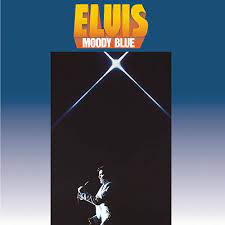
Way Down arrived near the end of Elvis Presley's career but gave him one final hit with a strong rock and country edge. Written by Layng Martine Jr., the song was recorded in October 1976 in the Jungle Room at Graceland during what became Elvis's final studio recording sessions.
Released as a single in June 1977, Way Down features a driving rhythm and an especially memorable contribution from J.D. Sumner of the Stamps Quartet, whose remarkably deep bass vocal can be heard near the end of the song. The recording was also included on Elvis's final studio album, Moody Blue.
The single was already climbing the charts when Elvis died on August 16, 1977. It subsequently reached No. 1 on the Billboard country chart and became an even bigger international success, reaching No. 1 in the United Kingdom. Way Down therefore became both one of Elvis's final recordings and one of the last major hits of his lifetime.
What You'll Learn From This Lesson
I play Way Down with a capo on the 3rd fret using Drop D tuning. That low D is important in this arrangement because it allows you to capture the deeper bass riff that helps make the song work on one acoustic guitar. The five chords you'll need are G, D, C, Am and F.
The main rhythm is a steady down-down-up-down-up shuffle, with an underlying bass riff running through the verses along with a few rhythmic chops that require some careful timing. There is also a quick guitar riff worked into the verse, but no lead break. Once you reach the chorus, the basic rhythm continues while walking bass is incorporated into the chord progression.
I'd rate this lesson intermediate because of the underlying bass riff, walking bass, quick guitar riff and rhythmic chops. Learn the five chords in Drop D first and then get the driving shuffle rhythm comfortable. Next, add the verse bass riff and guitar riff before working on the walking bass in the chorus. Once all of those pieces are flowing together, add the vocals. And be prepared for that famous low “way down” at the end of the chorus. If it's below your comfortable vocal range, moving the capo up a fret or two can help bring the song into a more manageable singing key.
Guitar Lesson Details - (chords & lyrics sheet incl with lesson)
Back To Song List
Elvis 70s Guitar Lessons FAQ
Are these Elvis 70s guitar lessons suitable for beginners?
Yes. Several songs on this page are suitable for beginners or players moving beyond the basic level. How The Web Was Woven and I'm Leavin' are good starting points because they focus mainly on chords and steady rhythm without lead guitar or bass runs. Other songs become more challenging as arpeggio picking, bass movement, hammer-ons, riffs and rhythm changes are added. The collection gives you room to progress from straightforward accompaniment into more involved acoustic arrangements.
What are the easiest Elvis 70s songs to play on acoustic guitar?
How The Web Was Woven and I'm Leavin' are two of the easiest arrangements on this page. Both avoid lead guitar and complicated bass work, allowing you to concentrate primarily on the chords, rhythm and vocals. From there, Kentucky Rain is a good next step because it introduces arpeggio picking, accented strumming and quicker chord changes without requiring a lead break.
Do I need to play lead guitar for these Elvis songs?
No. Most of these arrangements are built around rhythm guitar rather than traditional lead playing. Instead, you'll encounter techniques such as hammer-ons, arpeggio picking, bass runs, walking bass, chord-based riffs and rhythmic accents. Songs such as Walk A Mile In My Shoes and Way Down include quick riffs, but they are incorporated into the acoustic rhythm arrangement rather than taught as extended lead solos.
Do any of these Elvis songs use a capo or alternate tuning?
Yes. Some arrangements use a capo to maintain the desired key while allowing practical chord shapes, while others are played without one. Most use standard tuning, but Burning Love can be played in Drop D to add a deeper bass note, and Way Down uses Drop D as an important part of its bass-driven acoustic arrangement. Each lesson explains the tuning and capo position used before you begin.
Why are some Elvis songs rated intermediate even though they only use a few chords?
The number of chords doesn't always determine how difficult a song is to play. I've Got A Thing About You Baby uses only four main chords, but its muted rhythm and quick-moving chord riff require good timing. Walk A Mile In My Shoes also uses just four chords, yet its fast rhythm, hammer-ons and intro and outro riffs make it an intermediate lesson. Way Down has only five chords, but combining its shuffle rhythm with bass riffs, walking bass and rhythmic chops makes the arrangement considerably more challenging.
What should I practice first when learning these Elvis acoustic arrangements?
Start with the chords and main rhythm before adding the extra details. Once you can move through the progression without stopping, work separately on any arpeggios, hammer-ons, bass lines or riffs included in the lesson. Bring those elements into the rhythm gradually rather than trying to learn everything at once. Add the vocals last, when the guitar part has become comfortable enough that you don't have to think about every chord change or strumming movement.
These Elvis 70s guitar lessons show just how much variety there was in his music during the decade. Some songs can be played with straightforward chords and rhythm, while others introduce arpeggio picking, hammer-ons, bass movement, quick riffs and rhythm changes that make the acoustic arrangements more challenging. Start with the songs that match your current skill level, get the chords and rhythm comfortable first, and then add the extra details taught in each lesson.
Whether you're working through a slower ballad or one of the more driving arrangements, these songs offer plenty of opportunities to improve your timing, rhythm and ability to accompany your own vocals while adding more Elvis classics to your acoustic repertoire.
Looking for more Elvis Presley guitar lessons? Explore Easy Elvis Guitar Songs for approachable arrangements, Elvis Country Songs for Guitar for his country, blues and rockabilly material, or continue with Elvis Presley Love Songs and Elvis Gospel & Inspirational Songs. You can also explore his earlier recordings on the Elvis 50s Songs page or songs from his film career in Elvis Movie Guitar Songs.
If you liked this Elvis songs in the 70s page you might also like ... (click images)

Top Hits Of The 50s
Latest 100 Tutorials
© 2019–2026 KirbysGuitarLessons.com — All Rights Reserved