Elvis Country Songs for Guitar
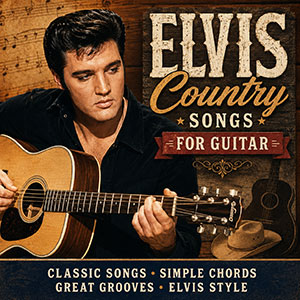
From the early Sun Records recordings to the country-flavored hits of the 1970s, Elvis Presley drew heavily from the sounds of country, blues, rockabilly, and traditional American roots music.
The songs on this page showcase that side of Elvis through a collection of acoustic guitar lessons that focus on groove, timing, and vocal accompaniment rather than flashy lead guitar. You'll learn how to blend bass runs into rhythm patterns, develop a relaxed country strum, create authentic rockabilly bounce, and build solo guitar arrangements that support the vocal.
Whether you're a beginner looking for simple chord progressions or an intermediate player wanting to capture the feel of Elvis's country recordings, these lessons offer a rewarding mix of classic songs and practical guitar skills.
🎸 Watch the Elvis Presley Country Songs For Guitar Lessons Overview
performance clips taken directly from the complete lesson videos.
Click Play, then drag the timeline to quickly preview any Elvis Presley lesson featured on this page.
Note: Every arrangement has been personally created, recorded and taught by Kirby
using teaching methods refined through decades of acoustic guitar instruction.
What's Included With Every Lesson
📦 Your Lesson Package Includes
✓ 8–12 minute HD video lesson so you can learn each song step-by-step.
✓ Printable chords & lyrics PDF for easy practice away from the screen.

✓ Instant download—start playing in minutes.
✓ Learn at your own pace on any device.
Easy Elvis Guitar Songs
Elvis Guitar Songs From The 50s
Elvis Guitar Songs From The 70s
Elvis Guitar Songs From The Movies
Elvis Presley Love Songs
Elvis Gospel & Inspirational Songs
More Elvis Resources
10 Elvis Presley Coloring Pages12 Elvis Presley Wall Art
Elvis Presley Guitar Lessons Included On This Page
Country & Country-Crossover
Good Time Charlie's Got The Blues Guitar Lesson
Green Green Grass Of Home Guitar Lesson
It's A Matter Of Time Guitar Lesson
Moody Blue Guitar Lesson
She Thinks I Still Care Guitar Lesson
Snowbird Guitar Lesson
Washed My Hands In Muddy Water Guitar Lesson
When My Blue Moon Turns To Gold Again Guitar Lesson
You're A Heartbreaker Guitar Lesson
Blues, Rockabilly & Roots
A Fool Such As I Guitar Lesson
A Mess Of Blues Guitar Lesson
Baby What You Want Me To Do Guitar Lesson
Guitar Man Guitar Lesson
Lawdy Miss Clawdy Guitar Lesson
One Night Guitar Lesson
Power Of My Love Guitar Lesson
That's All Right Guitar Lesson
Trying To Get To You Guitar Lesson
🎁 Free Demo Preview
Scroll down to check out a completely free demo on Elvis Presley's “A Fool Such As I".Country & Country-Crossover
Good Time Charlie's Got The Blues - Learn To Play On Acoustic Guitar
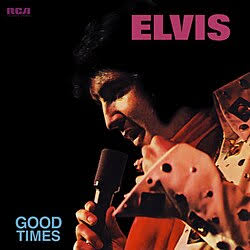
Good Time Charlie's Got The Blues became a major hit for singer-songwriter Danny O'Keefe in 1972 and was later recorded by Elvis Presley for his 1974 album Good Times.
The song reflects on loneliness, changing times, and the feeling of being left behind as friends move on with their lives. Its gentle country-folk arrangement and thoughtful lyrics gave Elvis an opportunity to showcase the more mature side of his vocal style.
Rather than relying on power and drama, he delivers the song with warmth and restraint, capturing the reflective mood of the story. The result is one of the most overlooked yet memorable recordings from his 1970s catalog.
What You'll Learn From This Lesson
Played in standard tuning, this arrangement uses a steady down-down-up, down-up-down, up-down-up, down-up-down-up rhythm pattern throughout the song. An opening riff sets the tone, while additional slide riffs and fills are blended directly into the rhythm during the verses, helping capture the relaxed country-pop feel of Elvis's recording. The lesson uses just three main chords — G, Cmaj7, and D — but also includes several lead breaks and connecting fills.
I'd rate this one as intermediate difficulty. The chords themselves are straightforward, but the real challenge is maintaining the groove while blending the riffs into the rhythm and singing over top of them. Start by learning the chord progression and rhythm pattern, then add the slide work and lead sections. Once everything feels comfortable, focus on keeping the timing smooth and letting the song breathe rather than rushing through the slower passages.
Guitar Lesson Details - (chords & lyrics sheet incl with lesson)
Back To Song List
Green Green Grass Of Home - Learn To Play On Acoustic Guitar
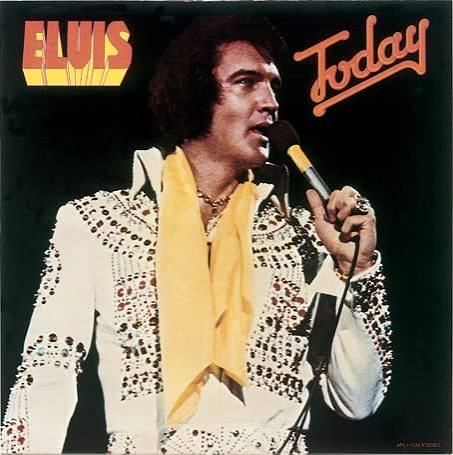
Green Green Grass Of Home became one of the most memorable country songs of the 1960s after Tom Jones turned it into an international hit, and Elvis Presley later recorded his own version for the 1975 album Today.
The song paints a picture of a man returning to the place he loves most, surrounded by familiar faces and cherished memories. As the story unfolds, however, listeners discover that the homecoming exists only in his dreams, giving the song its emotional impact.
Elvis delivers the lyrics with warmth and conviction, capturing the feelings of nostalgia, loss, and longing that have made this country classic endure for generations.
What You'll Learn From This Lesson
Green Green Grass Of Home has a relaxed country-ballad feel and is played in standard tuning using the chords G, Am, C, D, D7, and G7. The rhythm is built around a root-up-down-up, bass-up-down-up pattern, with a few bass runs added throughout the song to create smooth chord transitions and support the vocal. My version opens with a simple melody riff that helps establish the feel of the song, but there is no lead break required. The first part of the final verse is spoken, just as in Elvis's recording.
I'd rate this one as beginner friendly. Learn the chord progression and rhythm pattern first, then add the intro riff and bass runs. The key to this song is maintaining a steady groove and letting the vocal tell the story rather than overplaying the guitar.
Guitar Lesson Details - (chords & lyrics sheet incl with lesson)
Back To Song List
It's A Matter Of Time - Learn To Play On Acoustic Guitar
It's A Matter Of Time is a country ballad about heartbreak, regret, and the belief that lost love will eventually return.
Originally recorded by Brook Benton in 1959, the song became a country hit for several artists over the years before Elvis Presley recorded his version for the 1972 album Elvis Now. The lyrics tell the story of a man who watches a former lover leave, convinced that time will reveal the mistake she has made.
Elvis delivers the song with a mature and restrained vocal performance, emphasizing the emotional depth of the lyrics rather than dramatic flourishes. His interpretation blends country and pop influences, making it a strong example of his early-1970s recording style.
What You'll Learn From This Lesson
It's A Matter Of Time is played in standard tuning using the chords G, G7, C, D, and Am. I teach two rhythm patterns in this lesson. The chorus uses a root-down-up, down-up, root-up-down-up pattern with a quick country-style shuffle, while the verses use a more relaxed ballad strum built around a root-down, root-up-down-up pattern. A few bass runs are added throughout the arrangement to help create smooth chord transitions, but there is no lead guitar required.
I'd rate this one as easy beginner friendly. The chords are straightforward, but the key is maintaining a relaxed groove and supporting the melody without overplaying. Learn the chord progression and both rhythm patterns first, then add the bass runs and bring in the vocals to complete the arrangement.
Guitar Lesson Details - (chords & lyrics sheet incl with lesson)
Back To Song List
Moody Blue - Learn To Play On Acoustic Guitar
Moody Blue was one of the final hit singles released during Elvis Presley's lifetime and became the title track of his last studio album in 1977.
The song reached #1 on the Billboard Country chart and crossed over to the pop charts, where it peaked at #31. Written by Mark James, the lyrics tell the story of a man trying to understand a woman whose moods and emotions seem to change from day to day. Blending country, pop, and contemporary Nashville influences, the song showcased Elvis's ability to remain relevant in the changing music landscape of the 1970s.
Its chart success helped make Moody Blue one of the most memorable releases of his final years.
What You'll Learn From This Lesson
I play this one with a capo on the 2nd fret, putting it in the key of A. Elvis recorded the song in C, so this version sits a little lower and may be easier for many singers. Played in standard tuning, the arrangement opens with a recognizable guitar riff before settling into a smooth country-pop groove. The rhythm is built around a steady root-up-down-up pattern using the chords G, D7, Am, G7, C, and D. Several guitar riffs are blended into the verses, while bass runs help capture some of the orchestration found on the original recording. A lead section built around familiar riff ideas is also included.
I'd rate this one as intermediate. The chord progression itself is manageable, but the challenge comes from combining the riffs, bass runs, and lead work while maintaining a smooth rhythm under the vocal. Learn the chords and groove first, then add the bass movement and verse riffs before tackling the lead break. Once comfortable, experiment with the capo position to find the key that best suits your voice.
Guitar Lesson Details - (chords & lyrics sheet incl with lesson)
Back To Song List
She Thinks I Still Care - Learn To Play On Acoustic Guitar
She Thinks I Still Care is a classic country heartbreak song that became a major hit for George Jones in 1962 and has since been recorded by numerous artists.
Elvis Presley included his version on the 1973 album Raised on Rock / For Ol' Times Sake, bringing his own smooth and understated style to the well-known country standard. The lyrics follow a man who insists he has moved on from a past relationship, even as his actions suggest otherwise.
With its themes of pride, regret, and lingering feelings, the song remains one of country music's most enduring tales of lost love. Elvis's performance captures the emotional conflict at the heart of the song while highlighting his deep appreciation for traditional country music.
What You'll Learn From This Lesson
Elvis recorded this one in A, but my version is played lower in G. If you'd like to get closer to the original key, simply place a capo on the 2nd fret. The chords you'll need are G, G7, C, D, A7, and D7. The lesson opens with a melody-based picking intro that helps establish the feel of the song. Throughout the arrangement, I use two rhythm patterns. The verses use a steady root-up-down-up, bass-up-down-up pattern, while the chorus switches to a more upbeat root-down-up, down-down, root-up-down-up rhythm. A few bass runs are also blended into the arrangement to help create smooth chord transitions and a classic country-ballad feel.
I'd rate this one as beginner friendly if you leave out the intro picking section. With the intro included, I'd move it into the intermediate category because you're blending melody picking and rhythm playing together. Start by learning the six chords, then master the verse rhythm, followed by the chorus pattern and bass runs. Once comfortable, add the intro melody and bring in the vocals to complete the arrangement and capture that laid-back Elvis feel.
Guitar Lesson Details - (chords & lyrics sheet incl with lesson)
Back To Song List
Snowbird - Learn To Play On Acoustic Guitar
Snowbird became a major international hit for Canadian singer Anne Murray in 1970 and helped establish her as one of country-pop music's biggest stars. Written by Prince Edward Island songwriter Gene MacLellan, the song uses the image of a free-flying bird to express feelings of longing and a desire to escape life's disappointments.
Elvis Presley admired the song and recorded his own version for the 1971 album Elvis Country (I'm 10,000 Years Old), although it was never released as a single.
His interpretation stays true to the gentle, reflective nature of the original while adding the warm vocal style that characterized many of his country recordings during the early 1970s.
What You'll Learn From This Lesson
I play this one in standard tuning using a gentle acoustic strumming pattern of root-down-up, down-up-down-up throughout the song. There are a few descending bass lines blended into the arrangement to help create smooth chord transitions and add to the song's relaxed country-pop rhythm. I've also included an optional melody-based picking section that can be used as a lead break, although the song works perfectly well without it. The chords you'll need are C, Em, Dm, G, and F.
I'd rate this one as beginner friendly if you leave out the picking section, as it then becomes a straightforward rhythm-and-vocal arrangement. With the picking included, I'd move it into the intermediate category because you're blending melody and rhythm together. Learn the chords and rhythm pattern first, then add the descending bass runs before tackling the optional lead section. Once comfortable, bring in the vocals and focus on maintaining a smooth, supportive accompaniment that lets the melody shine.
Guitar Lesson Details - (chords & lyrics sheet incl with lesson)
Back To Song List
Washed My Hands In Muddy Water - Learn To Play On Acoustic Guitar
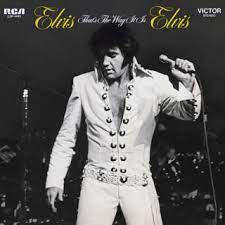
Washed My Hands in Muddy Water is a country story song that was originally recorded by Stonewall Jackson in 1965 before Elvis Presley included his version on the 1970 album That's The Way It Is.
The lyrics follow a man who finds himself on the run after a life marked by hardship, poor decisions, and the consequences that follow. Blending country, blues, and gospel influences, the song gave Elvis an opportunity to showcase his powerful storytelling ability and emotional delivery.
His performance captures both the toughness and vulnerability of the character, making it one of the more distinctive country-flavored recordings from this productive period of his career.
What You'll Learn From This Lesson
This song was originally recorded in F, but to make it easier for solo acoustic guitar, place a capo on the 3rd fret and play it using the chords D, G, A, and D7. My version is played in Drop D tuning, which helps create a fuller sound and adds extra depth to the rhythm guitar.
The rhythm is built around a down-down-up, down-up-down-up pattern with several hammer-ons blended throughout the arrangement. These hammer-ons help create the song's country-blues groove and driving rhythm feel. There is also some lead picking included, along with a few fills that help make the arrangement sound complete on a single guitar.
I'd rate this one as beginner to intermediate. The chords themselves are straightforward, but the challenge is maintaining a relaxed but driving strum while blending in the hammer-ons and picking sections. Start by learning the chord progression in Drop D tuning, then work on the rhythm pattern and groove. Once comfortable, add the hammer-ons, picking passages, and finally the vocals to capture that rootsy Elvis rhythm feel.
Guitar Lesson Details - (chords & lyrics sheet incl with lesson)
Back To Song List
When My Blue Moon Turns To Gold Again - Learn To Play On Acoustic Guitar
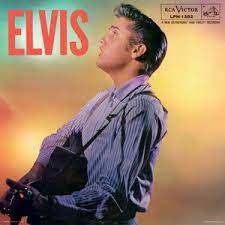
When My Blue Moon Turns To Gold Again is a country standard that dates back to the early 1940s and was first recorded by songwriters Wiley Walker and Gene Sullivan.
Elvis Presley recorded the song for his 1956 album Elvis, drawing on the country and western music that had influenced him from an early age. The lyrics tell the story of a man hoping to be reunited with a lost love, believing happier days will return when his fortunes change. Although it was never released as a single,
Elvis's recording helped introduce the song to a new generation of listeners. His relaxed vocal delivery and the song's country roots make it a standout track from his second studio album.
What You'll Learn From This Lesson
This song has a classic country ballad feel and is played in standard tuning using just three chords: E, A, and B7. The rhythm is built around a simple root-down-up, down-up pattern that repeats throughout the song. A few bass runs are blended into the arrangement to help connect the chord changes and create a more authentic country sound. There is also a stand-alone lead break in the middle of the song, but I've blended some rhythm guitar into that section to help keep the arrangement sounding full for a solo performer.
I'd rate this one as beginner friendly if you leave out the picking break, or intermediate if you include it. With only three chords and one rhythm pattern to learn, most players should be able to get the basic arrangement together fairly quickly. Once comfortable with the rhythm and chord changes, add the bass runs and optional lead section. Finally, bring in the vocals and focus on maintaining a warm, supportive accompaniment that lets the melody lead the performance.
Guitar Lesson Details - (chords & lyrics sheet incl with lesson)
Back To Song List
You're A Heartbreaker - Learn To Play On Acoustic Guitar

You're A Heartbreaker was one of the earliest recordings from Elvis Presley's Sun Records period, recorded in late 1954 and later released as the B-side to Milkcow Blues Boogie.
The song reflects the blend of country, rockabilly, and rhythm and blues influences that helped shape Elvis's distinctive early sound. Its playful lyrics tell the story of a young man warning others about a girl who leaves broken hearts wherever she goes.
While it was never one of his biggest hits, the recording captures the energy and enthusiasm of Elvis's formative years as he developed the style that would soon make him a national sensation. Today, it remains a favorite among fans of his early rockabilly recordings.
What You'll Learn From This Lesson
This song has a light rockabilly bounce that comes from a combination of techniques taught throughout the lesson. Played in standard tuning, you'll use the chords D, D7, G, A, and A7 along with some light chord muting, bass runs, and a few signature riffs to help capture that early rock 'n' roll groove. The arrangement opens with an intro riff that returns later in the song, and there is also a short picking break. For rhythm, use a root-down-up, down-up-down-up pattern throughout, but remember to keep the strumming light and snappy rather than heavy.
I'd rate this one as intermediate because the intro riff and picking break are played higher up the fretboard using a series of riffs rather than simple single-note lines. The bass runs and rhythmic accents also require a little extra control to maintain that slight shuffle feel. Learn the chords first, then lock in the rhythm pattern before adding the bass runs. Once the groove feels comfortable, work on the intro riff and picking sections. Finally, blend everything together and add the vocals to complete the arrangement.
Guitar Lesson Details - (chords & lyrics sheet incl with lesson)
Back To Song List
Blues, Rockabilly & Roots
A Fool Such As I - Learn To Play On Acoustic Guitar
A Fool Such as I became one of Elvis Presley's most successful singles of the late 1950s, reaching #2 on the Billboard Hot 100 following its release in 1959.
Originally written by Bill Trader and previously recorded by country artists, the song was a natural fit for Elvis, whose music often blended country and rockabilly influences. The lyrics tell the story of a man who realizes he has been foolish to keep believing in a love that may never be returned.
Elvis delivers the song with warmth and sincerity, balancing heartbreak with optimism. Its memorable melody and strong vocal performance helped make it one of the standout recordings from this period of his career.
What You'll Learn From This Lesson
A Fool Such As I has that classic Elvis ballad feel and is played in standard tuning with a steady down-up, down-up rhythm pattern. The arrangement is built around a series of walking bass lines that help create the song's relaxed country-pop ballad groove and provide much of the movement throughout the performance. Several small riffs are blended into the rhythm guitar, while the song also includes an opening riff, a main lead break, and a closing riff. The chords you'll need are C, C7, D, E7, F, G, G7, and A.
I'd rate this one as intermediate because of the combination of walking bass lines, rhythm playing, and lead work required to make the arrangement sound complete. The challenge isn't the chord shapes themselves, but maintaining a smooth, relaxed groove while blending the various elements together.
Start by learning the chords and rhythm pattern, then work on the walking bass movement before adding the intro, ending riff, and main picking section. Once everything feels comfortable, bring in the vocals and focus on supporting the melody without overplaying the arrangement.
Guitar Lesson Details - (chords & lyrics sheet incl with lesson)
Back To Song List
A Mess Of Blues - Learn To Play On Acoustic Guitar

A Mess Of Blues was released by Elvis Presley in 1960 during one of the most successful periods of his career. The song reached the Top 40 in the United States and became an even bigger hit internationally, showcasing the energetic sound that helped re-establish Elvis following his return from military service.
Blending rock and roll with country influences, the lyrics describe a man whose world has been turned upside down after losing the woman he loves.
Elvis delivers the song with a lively vocal performance that perfectly captures the frustration and heartache at the center of the story. Its catchy melody and driving rhythm have helped make it a longtime favorite among Elvis fans.
What You'll Learn From This Lesson
A Mess Of Blues is played in Drop D tuning using just four chords: A, D, E, and E7. Two key elements help create that early rock and roll groove heard throughout the song. The first is a series of walking bass lines that connect the chord changes, while the second is the main rhythm pattern of down-down-down-down-down-down-down-up and repeat. When combined, these two techniques create the song's characteristic shuffle-style bounce. There are also a few shuffle strums used as you move from the verses into the chorus. No lead break is required, although the lesson does include a short ending riff.
I'd rate this one as beginner friendly, although it may take a little practice to blend the walking bass lines smoothly into the rhythm. Start by learning the chord progression and the two rhythm patterns. Once the groove feels comfortable, add the walking bass movement and finally the ending riff. Focus on maintaining a relaxed but driving strum throughout the song, and when combined with the vocals, you'll capture that classic Elvis rhythm guitar feel that makes this tune so much fun to play.
Guitar Lesson Details - (chords & lyrics sheet incl with lesson)
Back To Song List
Baby What You Want Me To Do - Learn To Play On Acoustic Guitar

Baby, What You Want Me to Do is a blues classic written and recorded by Jimmy Reed in 1959. Although Elvis Presley never released an official studio version, the song became a regular part of his live performances and was featured prominently during his famous 1968 Comeback Special.
Built around a driving blues shuffle and a simple call-and-response style lyric, the song allowed Elvis to showcase his love of rhythm and blues while stepping away from his traditional ballad repertoire. Its loose, energetic feel made it a natural choice for live performances, where Elvis and his band often stretched the arrangement with extended instrumental passages and spontaneous interaction.
Today, Baby, What You Want Me To Do remains one of the most memorable blues numbers associated with Elvis and serves as a reminder of the strong rhythm and blues influences that helped shape his musical style.
What You'll Learn From This Lesson
Baby What You Want Me To Do is taught in standard tuning using just four chords: E, A, B7, and E7. The song has a classic rock-and-roll and blues feel, making it a great introduction to groove-based Elvis rhythm playing.
For rhythm, I use a down-down-down-down-down-down-down-up pattern, although you can also play steady downstrokes or a simple down-up-down-up rhythm throughout the song. The key to capturing the feel is the use of hammer-ons, which help create the bluesy, rock-and-roll sound heard in Elvis's live performances.
Rather than teaching a separate lead break, I've worked walking bass lines and bass runs into the arrangement to keep the song moving through the instrumental sections. There are also a few slides to learn, but nothing overly complicated. More advanced players could certainly add a fuller blues lead if desired.
I'd rate this lesson as beginner to intermediate. The chords themselves are straightforward, but the walking bass movement, hammer-ons, and blues phrasing require a little extra coordination. Start by getting comfortable with the rhythm and chord changes, then add the bass runs and blues embellishments before bringing in the vocals.
Guitar Lesson Details - (chords & lyrics sheet incl with lesson)
Back To Song List
Guitar Man - Learn To Play On Acoustic Guitar
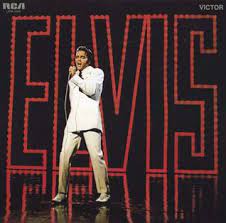
Guitar Man is one of Elvis Presley's most distinctive recordings from the late 1960s, blending country, rock, and blues influences into a unique and energetic performance.
Released in 1967, the song tells the story of a travelling musician who struggles to make a living despite his love for playing music. Written by Jerry Reed, the track features Reed's remarkable guitar work, which became one of the song's defining elements.
Elvis connected strongly with the lyrics, having experienced many of the same challenges during his own early years as a performer. His spirited vocal delivery and the song's driving rhythm helped make Guitar Man a fan favorite and a highlight of his post-movie recording career.
What You'll Learn From This Lesson
Guitar Man is played in Drop D tuning using the chords D, G, E7, and A. The core groove that drives the song comes from a steady down-up, down-up shuffle rhythm combined with the walking bass-note movement underneath the chords. Together, these elements create the song's distinctive rockabilly-style bounce and driving country-rock feel. There are also a few spots where the rhythm drops out, allowing a short bass line to stand on its own before the groove returns. The arrangement opens with a descending signature riff that reappears later in the song and helps make the tune instantly recognizable.
I'd rate this one as intermediate because of the coordination required between the rhythm, walking bass lines, riffs, and vocals. The chord shapes themselves are not particularly difficult, but keeping everything moving while maintaining the groove takes practice. Start by learning the chords in Drop D tuning, then add the walking bass movement so you're building the song in layers.
Once the groove feels comfortable, work on the signature riff and bass-line passages before adding the vocals. When all the pieces come together, you'll have a one-guitar arrangement that still sounds full and captures the energy of Elvis's recording.
Guitar Lesson Details - (chords & lyrics sheet incl with lesson)
Back To Song List
Lawdy Miss Clawdy - Learn To Play On Acoustic Guitar

Lawdy Miss Clawdy was already an R&B classic when Elvis Presley recorded his version in 1956. Originally a million-selling hit for Lloyd Price in 1952, the song helped define the New Orleans rhythm and blues sound that would heavily influence early rock and roll.
Elvis included the track on For LP Fans Only, bringing his trademark blend of rockabilly, country, and blues to the performance. The lyrics tell the story of a man frustrated by a troublesome romance, a theme that fit perfectly with Elvis's energetic vocal style.
Although his version was not a major chart hit, it remains one of the strongest examples of the musical influences that shaped his early career.
What You'll Learn From This Lesson
Guitar Lesson Details - (chords & lyrics sheet incl with lesson)
Back To Song List
One Night - Learn To Play On Acoustic Guitar
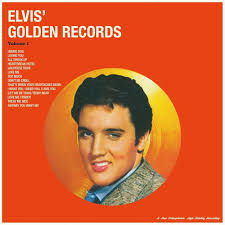
One Night became one of Elvis Presley's biggest hits of the late 1950s, reaching #1 on the Billboard Hot 100 in 1958.
Originally recorded by R&B singer Smiley Lewis, the song was reworked for Elvis and transformed into a powerful blend of rock and roll, blues, and country influences.
The lyrics tell the story of a man whose feelings run far deeper than a brief romantic encounter, giving the song an emotional depth that helped set it apart from many rock and roll hits of the era.
Elvis delivers the performance with passion and conviction, creating one of the most memorable vocal recordings of his career. Today, it remains a fan favorite and a highlight of his 1950s catalog.
What You'll Learn From This Lesson
One Night is played in standard tuning with a laid-back ballad strum built around a root-up-down-up, root-up-down-up rhythm pattern. By adding bass notes to the strum, the arrangement develops the warm, rolling feel that helps carry the song. The chords you'll need are E, A, B7, E7, and F#. There is no lead break required, making this an excellent song for players who want to focus on rhythm and vocals. As the arrangement builds, the vocals use dynamics for the emotional lift while the guitar maintains a steady groove underneath.
I'd rate this one as beginner friendly. The chord progression is straightforward, but the challenge is learning to hold the groove while singing and maintaining a relaxed feel throughout the performance. Start by learning the chords and rhythm pattern, then work on blending the bass notes into the strum. Remember that this song is more about feel than technique, so focus on making every chord ring clearly and using the rhythm to make a slow song sound expressive instead of empty. Add your Elvis-style groove vocals and you'll have a very effective solo performance.
Guitar Lesson Details - (chords & lyrics sheet incl with lesson)
Back To Song List
Power Of My Love - Learn To Play On Acoustic Guitar
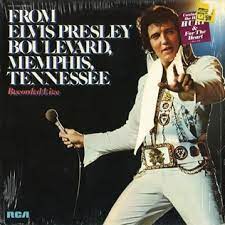
Power Of My Love is one of the most energetic and passionate performances from Elvis Presley's acclaimed From Elvis In Memphis album, released in 1969. Unlike many of the ballads associated with Elvis, the song combines elements of rock, soul, and blues to create a powerful declaration of devotion and desire.
Recorded during the legendary Memphis sessions that helped revitalize Elvis's career, the track showcased a more mature and contemporary sound while allowing him to deliver one of his most dynamic vocal performances. Although it was never released as a single, Power Of My Love became a favorite among fans who appreciate the raw energy and emotional intensity of Elvis's late-1960s recordings.
Today, the song is often regarded as one of the hidden gems from the From Elvis In Memphis album and remains a standout example of Elvis's ability to blend passion, power, and soul into a memorable performance.
What You'll Learn From This Lesson
Power Of My Love is taught in standard tuning with a capo on the 1st fret using the chords E, A, D, and B7. The lesson focuses on capturing the song's driving bluesy groove through a combination of rhythm playing, bass runs, and short riffs blended directly into the accompaniment.
About half of the arrangement uses a single downstroke followed by riff work, while the remaining sections rely on a steady up-and-down shuffle rhythm. There is no dedicated lead break, but the bass movement and rhythmic fills help create a fuller sound while maintaining the song's powerful feel.
I'd rate this lesson as beginner-friendly. The chord progression is straightforward, but the challenge comes from switching smoothly between the chop rhythm, shuffle rhythm, bass runs, and riff-based sections. Start by learning the chords and rhythm patterns separately before combining everything with the vocal.
Guitar Lesson Details - (chords & lyrics sheet incl with lesson)
Back To Song List
That's All Right - Learn To Play On Acoustic Guitar
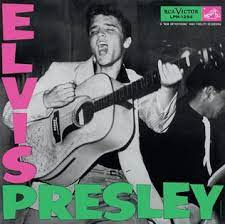
That's All Right is widely regarded as the recording that launched Elvis Presley's career and helped spark the rock and roll revolution. Recorded at Sun Studio in Memphis in 1954,
Elvis transformed Arthur "Big Boy" Crudup's 1946 blues song into something entirely new by blending blues, country, and rockabilly influences. The recording's energy and spontaneity immediately caught the attention of local radio listeners and helped establish Elvis as an exciting new talent.
While simple in structure, the song introduced a fresh sound that would change popular music forever. More than just an early hit, That's All Right remains one of the most important recordings in rock and roll history and a defining moment in Elvis's career.
What You'll Learn From This Lesson
That's All Right is played in standard tuning using the chords A, A7, D7, and E7. The song is driven by a steady root-down-up, down-up-down-up rhythm pattern that creates the classic rockabilly bounce associated with Elvis's early recordings. A few bass runs are blended between the chord changes to help smooth out the transitions and add movement to the arrangement. The lesson also includes a lead break that combines both lead guitar phrases and bass-run ideas, requiring your fretting hand to move quickly between positions to capture the feel of the original recording.
I'd rate this one as intermediate if you include the lead break, but beginner friendly if you focus strictly on the rhythm guitar version. Start by learning the chord progression and rhythm pattern until you develop a comfortable light swing feel and can keep the right hand moving steadily throughout the song. Then add the bass runs before tackling the lead section. Once the groove feels natural, bring in the vocals. The original key is on the high side vocally, so don't be afraid to transpose if needed. After a little practice, you'll discover how to make three chords sound alive.
Guitar Lesson Details - (chords & lyrics sheet incl with lesson)
Back To Song List
Trying To Get To You - Learn To Play On Acoustic Guitar
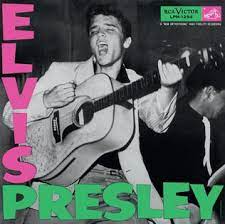
Trying To Get To You is one of the standout performances from Elvis Presley's early Sun Records period and was later included on his 1956 debut album, Elvis Presley. Originally recorded by the vocal group The Eagles, the song became a natural fit for Elvis's powerful blend of rockabilly, country, and rhythm and blues.
The lyrics tell the story of a man overcoming every obstacle imaginable to reach the person he loves, creating a sense of determination and urgency throughout the song.
Elvis's passionate vocal delivery and the raw energy of the recording helped make it a fan favorite. Today, it remains one of the strongest examples of the excitement and emotion that defined his early career.
What You'll Learn From This Lesson
Trying To Get To You is played in standard tuning using the chords E, A, B7, and E7. The rhythm is built around a root-down-up, bass-up-down-up pattern that creates the song's driving pulse. Several bass runs are blended throughout the arrangement, giving the song that classic early rockabilly rhythm feel. There is no dedicated lead break, but a few short riffs are worked into the rhythm guitar to help keep the arrangement interesting. By keeping the right hand moving and blending the bass runs into the chord changes, the song develops a slightly swung acoustic groove. The result is a simple but effective arrangement that uses bass notes to drive the progression while capturing the energy without overplaying.
I'd rate this one as beginner friendly. Start by learning the chord progression and rhythm pattern while keeping the strum relaxed but steady. Once the groove feels natural, add the bass runs and a few of the signature riffs. Finally, bring in the vocals and focus on maintaining a strong rhythmic pulse throughout the performance. The chords are straightforward, but the real challenge is making the groove bounce and supporting the vocal with confidence.
Guitar Lesson Details - (chords & lyrics sheet incl with lesson)
Back To Song List
Elvis's country recordings remind us that great performances are often built on simple foundations. Many of the songs on this page use straightforward chord progressions, but the real magic comes from the groove, phrasing, dynamics, and confidence behind the playing.
As you work through these lessons, you'll develop skills that extend far beyond the individual songs, including bass-run integration, sing-and-play coordination, rhythm control, and the ability to make a simple accompaniment sound full and expressive.
Take your time, focus on the feel of each arrangement, and before long you'll be able to capture the warmth, energy, and timeless appeal that made Elvis one of the most influential performers in popular music.
Frequently Asked Questions About Elvis Country Songs For Guitar
Are Elvis country songs good for beginner guitar players?
Many of Elvis's country songs use straightforward chord progressions and familiar country, blues, and rockabilly rhythms, making them accessible to beginners. While the chords are often easy to learn, the real challenge comes from developing the timing, groove, and vocal accompaniment that give these songs their authentic feel.
Do I need to play lead guitar to learn these Elvis country songs?
No. Most of the lessons on this page focus on rhythm guitar, bass runs, and vocal accompaniment rather than extended lead guitar solos. Several songs include optional riffs, fills, or lead breaks, but many can be performed successfully with rhythm guitar alone.
What guitar skills will I develop from these lessons?
These songs help develop a variety of practical acoustic guitar skills, including country strumming patterns, rockabilly rhythm, bass-run integration, sing-and-play coordination, chord transitions, shuffle rhythms, and creating fuller solo guitar arrangements.
Why do some Elvis country songs seem harder than the chord charts suggest?
Many Elvis songs are built on simple chord progressions, but the challenge often lies in the groove, phrasing, and timing. Learning how to support the vocal, blend in bass runs, and maintain a steady rhythm requires a level of control that goes beyond simply memorizing chords.
Do I need to play in the original Elvis key?
Not at all. Elvis recorded songs in keys that suited his vocal range, but acoustic players should choose a key that works comfortably for their own voice. Many lessons include capo suggestions or alternative chord positions to make singing easier.
What is the most important skill to focus on when learning Elvis country songs?
Focus on developing a steady rhythm and supporting the vocal. Across many of Elvis's country recordings, the guitar serves as the foundation of the performance. A strong groove and good timing will often make a bigger difference than adding extra riffs or lead guitar parts.
Are these songs more country, rockabilly, or blues?
The collection contains elements of all three styles. Some songs lean toward traditional country ballads, others feature early rockabilly rhythms, while several incorporate blues-based chord progressions and shuffle grooves. Together they showcase the diverse influences that shaped Elvis's country recordings.
Should I learn the rhythm before the riffs and fills?
Yes. The best approach is to learn the chords and rhythm pattern first, then add bass runs, riffs, fills, and lead sections later. Building the arrangement in layers helps maintain a solid groove and makes it much easier to sing while playing.
What type of guitar works best for these Elvis country songs?
Any acoustic guitar will work well for these lessons. Whether you play a dreadnought, concert, or smaller-bodied acoustic, the most important factors are maintaining a clear rhythm, producing clean chord changes, and developing a comfortable singing key.
What makes Elvis's country songs so enjoyable to play on acoustic guitar?
Many of these songs combine simple chord structures with memorable melodies, strong rhythms, and expressive vocals. They allow guitar players to focus on feel, groove, and performance rather than technical complexity, making them rewarding songs to learn and perform.
These Elvis country songs and roots-inspired recordings capture a different side of his musical legacy with country, blues, and rockabilly influences — from heartfelt country ballads and driving blues grooves to the roots music that helped shape rock and roll.
Dive into this 1950s set, and when you’re ready for more, be sure to explore our additional Elvis volumes covering his 60s movie tracks, 70s gems, and unforgettable love songs.
If you enjoy Elvis Presley's timeless rock 'n' roll style, you may also enjoy guitar lessons from fellow 1950s pioneers including The Everly Brothers, Roy Orbison, Ricky Nelson, Chuck Berry, and Buddy Holly. You can also return to our 50s Guitar Songs directory to explore even more classic artists and songs.
If you liked this Elvis songs in the 50s page you might also like ... (click images)
Top Hits Of The 50s
Latest 100 Tutorials
© 2019–2026 KirbysGuitarLessons.com — All Rights Reserved