Elvis Gospel & Inspirational Songs
Easy Acoustic Guitar Lessons
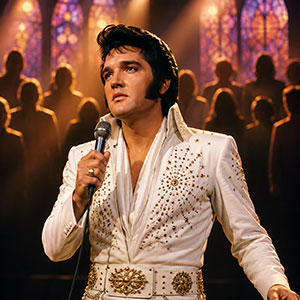
Elvis Presley recorded some of the most powerful gospel and inspirational performances of his career, blending traditional faith-based songs with deeply emotional ballads that showcased both his voice and his conviction.
The lessons on this page focus on turning those recordings into practical solo acoustic arrangements, with an emphasis on supporting the vocal, maintaining steady rhythm, and capturing the emotion of each song. While most of these lessons use approachable chord progressions, the real challenge often comes from timing, phrasing, dynamics, and learning how to let the guitar complement the message of the song.
Whether you're drawn to Elvis's gospel recordings or his inspirational performances, these lessons provide rewarding material for both players and singers.
🎸 Watch the Elvis Presley Gospel & Inspirational Overview
performance clips taken directly from the complete lesson videos.
Click Play, then drag the timeline to quickly preview any Elvis Presley lesson featured on this page.
Note: Every arrangement has been personally created, recorded and taught by Kirby
using teaching methods refined through decades of acoustic guitar instruction.
What's Included With Every Lesson
📦 Your Lesson Package Includes
✓ 8–12 minute HD video lesson so you can learn each song step-by-step.
✓ Printable chords & lyrics PDF for easy practice away from the screen.

✓ Instant download—start playing in minutes.
✓ Learn at your own pace on any device.
Easy Elvis Guitar Songs
Elvis Songs In The 50s
Elvis Guitar Songs From The 70s
Elvis Guitar Songs From The Movies
Elvis Presley Love Songs
Elvis Country And Blues Songs
More Elvis Resources
10 Elvis Presley Coloring Pages
12 Elvis Presley Wall Art
New To Elvis Gospel Songs?
Start with beginner-friendly lessons such as Put Your Hand In The Hand, If The Lord Wasn't Walking By My Side, and Joshua Fit The Battle. These songs use straightforward chord progressions and steady rhythms that are easy to follow.
As your confidence grows, move on to songs such as Something Bigger Than You And I, You Gave Me A Mountain, and An American Trilogy, where key changes, dynamic arrangements, and stronger vocal performances create a more advanced challenge.
Skill Level: Beginner To Intermediate
Most lessons on this page fall into the beginner to intermediate range. Songs such as Joshua Fit The Battle, and If The Lord Wasn't Walking By My Side , Where Did The Go Lord rely on basic chord changes and steady strumming patterns. Other songs, including An American Trilogy, You Gave Me A Mountain, and Something Bigger Than You And I, introduce more chord movement, key changes, and stronger vocal demands. While the guitar parts remain approachable for most players, capturing the emotion and vocal range of Elvis's gospel and inspirational recordings can provide an extra challenge.
Suggested Learning Path
If you're new to Elvis gospel and inspirational songs, try working through the lessons in this order:
- Joshua Fit The Battle
- If The Lord Wasn't Walking By My Side
- Where Did They Go Lord
- Something Bigger Than You And I
- If That Isn't Love
- Danny Boy
- Put Your Hand In The Hand
- You Gave Me A Mountain
- An American Trilogy
This progression begins with simpler chord structures and rhythms before moving into songs that feature larger arrangements, stronger dynamics, and more demanding vocal performances.
Elvis Presley Guitar Lessons Included On This Page
Foundation Songs
If That Isn't Love Guitar Lesson
If The Lord Wasn't Walking By My Side Guitar Lesson
Joshua Fit The Battle Guitar Lesson
Put Your Hand In The Hand Guitar Lesson
Where Did They Go Lord Guitar Lesson
Inspirational / Crossover Songs
An American Trilogy Guitar Lesson
Danny Boy Guitar Lesson
Something Bigger Than You And I Guitar Lesson
You Gave Me A Mountain Guitar Lesson
Foundation Songs
These songs focus on faith, devotion, and spiritual reflection.The arrangements range from simple strumming patterns to fuller gospel-inspired accompaniments that work well for solo acoustic performance.
If That Isn't Love - Learn To Play On Acoustic Guitar
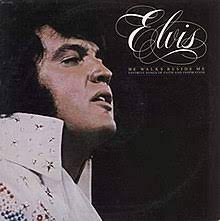
If That Isn't Love is a powerful gospel song written by Dottie Rambo and recorded by Elvis Presley during the later years of his career. The song reflects on the sacrifice, compassion, and unconditional love found in the Christian faith, themes that resonated deeply with Elvis throughout his life.
Known for his lifelong appreciation of gospel music, Elvis delivered the song with sincerity and conviction, showcasing the emotional depth that made his gospel recordings so highly regarded among fans. His performance highlights both his vocal range and his ability to connect with spiritually inspired material.
Although If That Isn't Love was never released as a major hit single, it remains a favorite among listeners who appreciate Elvis's gospel recordings and serves as an example of the passion he brought to the music he loved most.
What You'll Learn From This Lesson
If That Isn't Love is taught using a capo on the 2nd fret, allowing you to play comfortable chord shapes while staying close to the original Elvis recording. The lesson uses the chords G, Am7, D, C, D7, G7, and Am along with a steady root-down-up-down-up, root-up-down-up-down-up rhythm pattern that supports the song's uplifting gospel feel.
The focus of the lesson is on building a strong vocal accompaniment rather than learning lead guitar parts. There are no dedicated lead sections, allowing you to concentrate on the chord progression, rhythm, and the emotional build that gives the song its power. During the stronger sections, you'll also learn some shuffle strumming to help increase the intensity without making the arrangement overly complicated.
I'd rate this lesson as beginner-friendly. Start by learning the chord progression and rhythm pattern, then add the bass runs and dynamic strumming changes before bringing in the vocals. As with many gospel songs, finding a comfortable singing key is just as important as learning the guitar part.
Guitar Lesson Details - (chords & lyrics sheet incl with lesson)
Back To Song List
If The Lord Wasn't Walkin' By My Side - Learn To Play On Acoustic Guitar
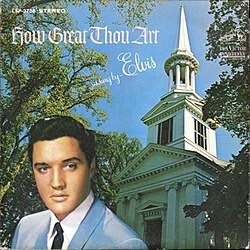
If The Lord Wasn't Walkin' By My Side was recorded by Elvis Presley for his 1972 gospel album He Touched Me.
Written by Henry Slaughter, the song expresses gratitude for divine guidance through life's challenges and hardships. Elvis had a lifelong love of gospel music, and songs like this allowed him to showcase the spiritual side of his artistry. The arrangement combines traditional gospel themes with a strong melody and uplifting message.
Elvis delivers the lyric with conviction and sincerity, making it one of the memorable tracks from his gospel recordings. The song remains a favorite among fans who appreciate Elvis's inspirational and faith-based material.
What You'll Learn From This Lesson
This song is played in standard tuning using the chords G, C7, A7, D7, E7, and G7. The arrangement is built around a bouncy gospel-country groove using a root-down-up, bass-up-down-up rhythm pattern, along with a few shuffle-strumming sections that help capture the feel of the original recording. Throughout the lesson you'll also learn how to blend bass-note strumming and simple bass runs into the chord changes to create a fuller solo acoustic arrangement.
The song works particularly well as a sing-and-play piece because the rhythm supports the vocal without becoming overly busy. My arrangement also includes an optional picking break that can be added once the rhythm feels comfortable.
I'd rate this lesson as beginner to intermediate. The chords and rhythm are approachable, making it suitable for newer players, while the bass runs, shuffle strumming, and optional lead section add extra challenge for those looking to create a fuller performance. Start by learning the chord progression and rhythm pattern, then add the bass movement and finally the lead section before combining everything with the vocals.
Guitar Lesson Details - (chords & lyrics sheet incl with lesson)
Back To Song List
Joshua Fit The Battle - Learn To Play On Acoustic Guitar
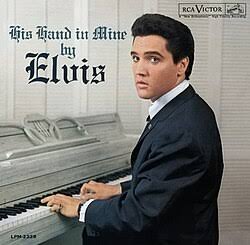
Joshua Fit The Battle is a traditional African American spiritual based on the biblical story of Joshua and the Battle of Jericho.
Elvis Presley recorded the song for his 1960 gospel album His Hand In Mine, one of the most respected gospel releases of his career. The song's energetic rhythm and powerful message of faith made it a natural fit for Elvis's vocal style. His version combines gospel enthusiasm with strong harmony vocals and a lively arrangement.
The recording helped introduce the classic spiritual to a new generation of listeners and remains one of the standout performances from Elvis's early gospel catalog.
What You'll Learn From This Lesson
Joshua Fit The Battle is played in the original key of F using a capo on the 3rd fret with the chords D, G, and A. I use drop D tuning for this arrangement, although it is optional. The song is built around a driving gospel-rock rhythm using a steady down-up-down-up strumming pattern, while a series of hammer-ons help create the energetic feel that carries the performance. The drop D tuning makes some of these hammer-ons and rhythmic accents sound fuller, particularly around the D chord.
This lesson is more about groove and energy than complicated guitar techniques. There is no lead guitar section, making it an excellent song for players who want to focus on rhythm guitar and vocal performance.
I'd rate this lesson as beginner friendly, although the faster tempo requires good timing and steady rhythm. Start by learning the three chords and basic strumming pattern, then add the hammer-ons and rhythmic accents before bringing in the vocals. The real challenge is maintaining the driving gospel feel while keeping the rhythm consistent from start to finish.
Guitar Lesson Details - (chords & lyrics sheet incl with lesson)
Back To Song List
Put Your Hand In The Hand - Learn To Play On Acoustic Guitar
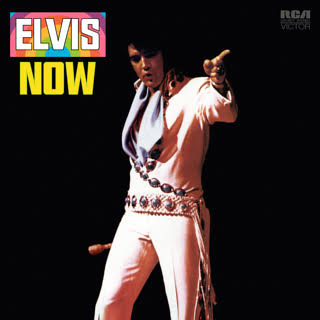
Put Your Hand In The Hand Now or Never was written by Canadian songwriter Gene MacLellan and became an international hit for Ocean in 1971.
Elvis Presley later incorporated the song into his live performances during the 1970s, appreciating its uplifting spiritual message and audience appeal. The lyric encourages faith, trust, and personal reflection while remaining accessible to listeners from many backgrounds.
Elvis's live versions featured strong vocal delivery and gospel-inspired backing vocals that suited his concert style perfectly. The song remains a popular inspirational number and is remembered as one of the best-known faith-centered songs of the early 1970s.
What You'll Learn From This Lesson
For this Elvis version, I use a capo on the 2nd fret to stay in the original key of A while playing the chords G, D, Am, D7, Dm, Em, C/G, G7, and Edim. The lesson begins with an introductory riff before moving into a G and C/G rhythm pattern that sets up the feel of the song. Once the vocals begin, the arrangement shifts into a drum-inspired chop shuffle rhythm that follows the groove of the original recording and gives the song its distinctive gospel-pop energy.
In addition to the rhythm work, you'll learn how to blend chord changes with dynamic strumming and an optional melody-based picking break that helps create a fuller solo acoustic arrangement. The goal is not simply to play the chords, but to capture the feel and momentum that drive Elvis's version.
I'd rate this lesson as intermediate to advanced. The chord progression itself is manageable, but the rhythmic groove, intro riff, and picking break require additional coordination and timing. Start by learning the chord sequence, then focus on the shuffle rhythm before adding the intro riff and lead section. Once those pieces feel comfortable, combine them with the vocals to complete the arrangement.
Guitar Lesson Details - (chords & lyrics sheet incl with lesson)
Back To Song List
Where Did They Go Lord - Learn To Play On Acoustic Guitar
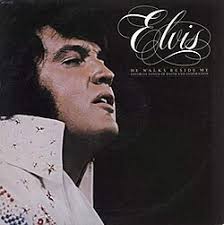
Where Did They Go Lord was recorded by Elvis Presley in 1971 and later appeared on the album Elvis Now.
Written by Dallas Frazier, the song reflects on the passing of time and the disappearance of familiar people, places, and values. Unlike many of Elvis's gospel recordings, this song blends inspirational themes with personal reflection and nostalgia.
Its thoughtful lyric and emotional delivery allowed Elvis to connect with listeners on a deeper level. The song remains a lesser-known gem in his catalog and is appreciated by fans for its sincerity, maturity, and contemplative message about life and change.
What You'll Learn From This Lesson
Where Did They Go Lord is played using the chords Bm, G, A7, D, A/Db, E, Gb, and Ddim. The arrangement is built around a gentle country-gospel rhythm using a root-up-down-up-down-up strumming pattern, along with a few bass runs that help connect the chord changes and create a fuller solo acoustic sound. Near the end of the song, the rhythm becomes slightly more dynamic with a down-up-down-down-up accent pattern that helps build the emotion of the performance.
There is no lead guitar in this arrangement, allowing the focus to remain on the lyrics and vocal delivery. The guitar's role is to provide a warm, supportive accompaniment while leaving plenty of space for the song's reflective message.
I'd rate this lesson as beginner friendly. The chords and rhythm are approachable, and the bass runs are straightforward to learn. The biggest challenge is the vocal, as Elvis reaches the higher end of the key during the chorus. Start by learning the chord progression and rhythm pattern, then add the bass runs before focusing on the vocal phrasing and dynamics that give the song its emotional impact.
Guitar Lesson Details - (chords & lyrics sheet incl with lesson)
Back To Song List
Inspirational / Crossover Songs
While not traditional gospel recordings, these songs carry themes of hope, perseverance, family, and personal struggle.They showcase Elvis's ability to deliver powerful emotional performances beyond the boundaries of gospel music.
An American Trilogy - Learn To Play On Acoustic Guitar
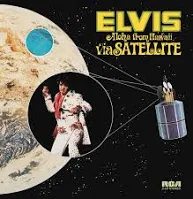
An American Trilogy became one of Elvis Presley's most powerful concert performances after being introduced into his live shows in the early 1970s. Arranged by Mickey Newbury, the piece combines the songs Dixie, The Battle Hymn Of The Republic, and All My Trials into a dramatic musical statement.
Elvis first performed it during his Las Vegas engagements before making it a highlight of his concert repertoire, including the famous Aloha From Hawaii broadcast.
The song showcases Elvis's vocal range and emotional delivery while blending themes of history, struggle, hope, and faith. Many fans consider it one of his greatest live performances.
What You'll Learn From This Lesson
An American Trilogy is taught as a series of connected sections that together create one of Elvis Presley's most powerful live performances. The lesson begins with the Dixie section using the chords C, C7, F, Dm7, G, D7, Gsus, and Adim, played with simple downstrokes before expanding into a fuller rhythm pattern as the arrangement builds.
The song then transitions into Glory Glory Hallelujah, where the rhythm becomes much more energetic with a shuffle-based strumming pattern that follows the feel of the drums and supports the powerful vocal delivery. A connecting riff leads into the Battle Hymn Of The Republic section, where arpeggio playing and a melody-based picking line help recreate the atmosphere of the original performance before returning to the final Glory Glory Hallelujah section.
Throughout the lesson you'll learn how to move smoothly between sections, build dynamics, and use rhythm changes to capture the dramatic flow of the song. I'd rate this lesson as intermediate because of the changing rhythm patterns, arpeggio work, melody-based fills, and the challenge of blending multiple sections into one performance. Practice each section individually before connecting them together, and be prepared for a demanding vocal that reaches some powerful high notes.
Guitar Lesson Details - (chords & lyrics sheet incl with lesson)
Back To Song List
Danny Boy - Learn To Play On Acoustic Guitar
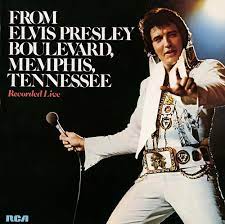
Danny Boy is one of the most beloved songs in Irish music and was recorded by Elvis Presley during the sessions for his 1971 album He Touched Me. The lyric is set to the traditional Irish melody Londonderry Air and has been recorded by countless artists over the years.
Elvis's version highlights his powerful vocal control and emotional interpretation, making it one of the standout performances from his gospel period. Although not strictly a gospel song, its themes of love, loss, remembrance, and reunion fit naturally alongside inspirational material.
The recording remains a favorite among Elvis fans and admirers of traditional music.
What You'll Learn From This Lesson
Danny Boy is played with a capo on the 3rd fret in standard tuning using the chords A, Amaj7, A7, D, Dm, Gbm, Bm, Gbm/E, B7, E, and A/Ab. This arrangement focuses on supporting the vocal melody rather than filling every measure with guitar. For most of the song, the rhythm uses a down-pause-down-down-down pattern that allows the lyrics and emotion of the song to take center stage while the chords ring naturally underneath.
In a few sections, you'll also learn how to add a gentle down-up shuffle rhythm to create additional movement, while an optional root-up-down-up pattern can be used if you prefer a fuller accompaniment. The arrangement includes a small closing riff but no lead guitar section, keeping the focus on the song's expressive vocal delivery.
I'd rate this lesson as beginner friendly, although the timing and phrasing require patience. Start by learning the chord progression and basic rhythm pattern, then experiment with the alternate strumming approach before adding the vocals. The key to this song is not speed or technical guitar work, but learning how to support a slow, emotional melody with confidence and control.
Guitar Lesson Details - (chords & lyrics sheet incl with lesson)
Back To Song List
Something Bigger Than You And I - Learn To Play On Acoustic Guitar
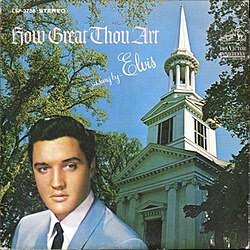
Something Bigger Than You And I was recorded by Elvis Presley for his 1960 gospel album His Hand In Mine. Written by Sonny Burke and Johnny Lange, the song delivers a powerful message about faith, humility, and recognizing a higher power beyond ourselves.
Elvis was deeply influenced by gospel music throughout his life, and this recording allowed him to showcase both his spiritual convictions and his expressive vocal style. Backed by rich harmonies from The Jordanaires, the performance blends traditional gospel themes with a warm, inspirational melody.
The song remains a favorite among fans of Elvis's gospel recordings and serves as a reminder of hope, faith, and the belief that life's challenges are guided by something greater than ourselves.
What You'll Learn From This Lesson
Something Bigger Than You And I is played in standard tuning with a capo on the 3rd fret using the chords G, Em, Bm, Am, D, D7, Adim, D7sus, and D#. The arrangement focuses on creating a supportive gospel-style accompaniment that allows the lyrics and vocal melody to remain the centerpiece of the performance. The rhythm is built around a steady down-down-up-down-up-down-down pattern that provides movement while still leaving plenty of space for the song's reflective and inspirational feel.
There is no lead guitar section in this arrangement, making it an excellent song for players who want to focus on rhythm guitar, chord transitions, and vocal delivery. The lesson emphasizes keeping the tempo steady and allowing the chord changes to support the emotional flow of the song.
I'd rate this lesson as beginner friendly. Start by learning the chord progression and rhythm pattern, then work on the timing of the chord changes before adding the vocals. The guitar part is straightforward, but the key to a convincing performance is letting the song breathe and allowing the vocal to lead the arrangement.
Guitar Lesson Details - (chords & lyrics sheet incl with lesson)
Back To Song List
You Gave Me A Mountain - Learn To Play On Acoustic Guitar
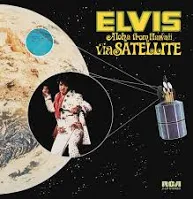
You Gave Me A Mountain was written by Marty Robbins and became one of Elvis Presley's signature concert songs during the 1970s. The lyric tells the story of a man facing hardship, heartbreak, and personal struggle while searching for the strength to endure.
Elvis first performed the song in Las Vegas and quickly made it a regular part of his live shows because of its emotional impact. His powerful vocal delivery transformed the song into a dramatic concert centerpiece.
Although not a gospel song, its themes of perseverance, faith, and overcoming adversity have made it a favorite among Elvis fans for decades.
What You'll Learn From This Lesson
You Gave Me A Mountain is played in standard tuning in the key of C using the chords G, C, Em, Am, F, Gsus, Dm, A#, and G#. The arrangement is built around a steady down-up-down-up-down-down rhythm pattern that carries the song from beginning to end, with a few bass runs and light shuffle strumming added between sections to help build the emotion of the performance.
The verses are delivered with a softer feel, while the chorus becomes much more powerful vocally, creating the dramatic contrast that makes this song so memorable. There is no lead guitar section, allowing the focus to remain on the chord progression, rhythm, and vocal delivery.
I'd rate this lesson as beginner friendly, although the vocal may be challenging depending on your range. Start by learning the chord progression and rhythm pattern, then add the bass runs and shuffle strumming before bringing in the vocals. The real challenge is maintaining the emotion and dynamic contrast between the quieter verses and the stronger chorus while keeping the rhythm steady throughout the song.
Guitar Lesson Details - (chords & lyrics sheet incl with lesson)
Back To Song List
Frequently Asked Questions About Elvis Gospel Songs
Did Elvis record many gospel songs?
Yes. Gospel music was one of Elvis Presley's greatest musical influences. Throughout his career he recorded traditional hymns, spirituals, and inspirational songs, earning multiple Grammy Awards for his gospel recordings.
Are Elvis gospel songs good for beginner guitar players?
Many are. Songs such as Put Your Hand In The Hand and Joshua Fit The Battle use straightforward chord progressions and rhythms that are suitable for beginner and early intermediate players.
What tuning are these lessons taught in?
All lessons on this page are taught in standard tuning unless otherwise noted in the lesson description.
What is the most challenging song on this page?
For many players, An American Trilogy is the most demanding because of its arrangement, dynamic changes, and the vocal control needed to perform it effectively.
Why did Elvis enjoy recording gospel music?
Elvis grew up listening to gospel music in church and often described it as one of his favorite styles of music. Even after achieving worldwide fame in rock and roll, he continued recording gospel material throughout his career.
The songs on this page represent an important part of Elvis Presley's musical legacy and reveal a side of his artistry that went far beyond rock and roll. From traditional gospel favorites such as Joshua Fit The Battle to inspirational performances like You Gave Me A Mountain and An American Trilogy, these arrangements focus on helping acoustic guitar players develop confidence in accompaniment, dynamics, and vocal support.
Take your time with the chord progressions, learn to let the songs breathe, and focus on communicating the emotion behind the lyrics. As your confidence grows, you'll discover that these songs are not only enjoyable to play but are also excellent vehicles for developing stronger musical expression and performance skills.
If you enjoy Elvis Presley's timeless rock 'n' roll style, you may also enjoy guitar lessons from fellow 1950s pioneers including The Everly Brothers, Roy Orbison, Ricky Nelson, Chuck Berry, and Buddy Holly. You can also return to our 50s Guitar Songs directory to explore even more classic artists and songs.
If you liked this Elvis Presley Gospel & Inspirational page you might also like ... (click images)
Top Hits Of The 50s
Latest 100 Tutorials
© 2019–2026 KirbysGuitarLessons.com — All Rights Reserved