Don Williams Cellar Tapes Guitar Lessons
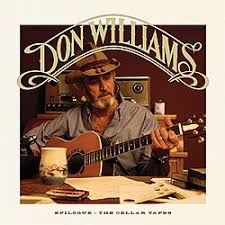
Released in 2026, Don Williams' Cellar Tapes album gave fans a rare opportunity to hear previously unreleased recordings from one of country music's most beloved voices.

These songs were recorded during the peak years of his career and remained unheard for decades before being carefully restored and released.
The collection captures everything listeners loved about Don Williams: warm storytelling, memorable melodies, and the relaxed vocal style that earned him the nickname "The Gentle Giant." On this page you'll find guitar lessons for songs from this historic release, including heartfelt ballads, thoughtful love songs, and reflective stories that showcase the timeless appeal of Don Williams' music.
Don Williams Cellar Tape Album Overview Video
Vol 2 Album here
Vol 3 Album Here
You're My Best Friend Album Here
Country Boy Album Here
Visions Album Here
More Don Williams Here
Don Williams Guitar List
A Matter Of TimeGoldy's Gone from Golden
Growing On Me
How Can I Miss What I Never Had
I Wish I Was Crazy Again
I'm in Love for My Last Time
I'm the One
I'm the One (Alternative)
Leaving Louisiana In The Broad Daylight
Spinning Around
Try Me Again
You Came True
Don Williams Inspired Throw Pillow Collection


I may be able to create a custom pillow design just for you.
A Matter Of Time - Learn To Play On Guitar

A Matter Of Time appears on Don Williams’ 2026 posthumous album Epilogue: The Cellar Tapes, a collection of unreleased recordings made during his strong 1979–1984 period. The track was not issued as a charting single, and no official music video appears to have been made for it.
Public credits do not clearly list the songwriter, but the song fits the album’s quiet, reflective tone. Williams sings about love, loss, waiting, and the slow healing that comes when life changes beyond your control. Its simple story works well because his voice never pushes too hard. Instead, he lets the feeling settle naturally.
As part of The Cellar Tapes, “A Matter Of Time” gives fans another look at the calm, honest style that made him so trusted.
Chords And Strumming
I play this one in standard tuning with the chords A, A7, D and E while playing root up down up down up and repeat rhythm pattern. You can play some bass runs as well here to smoothly transition between chard. No picking in this one.
Guitar Lesson Details - (chords & lyrics sheet incl with lesson)
Back To Song List
Goldy's Gone from Golden - Learn To Play On Guitar

Goldy's Gone From Golden closes in on one of Don Williams’ favorite kinds of stories: a small-town memory told with plain words and deep feeling. Released on Epilogue: The Cellar Tapes in 2026, the song was drawn from recordings made decades earlier and was not released as a single or promoted with a music video.
The songwriter credit is not clearly confirmed in public listings, but the lyric feels right at home in Williams’ world, where leaving, growing up, and chasing a dream often carry both pride and sadness.
The song’s Colorado setting gives it a strong sense of place, while Williams’ gentle delivery keeps the story from becoming too dramatic. It plays like a short film about love, youth, and the cost of moving on.
Chords And Strumming
In this one I play a capo 2nd fret but the original has no capo in the original key as you play a root down root up down up and repeat rhythm pattern. For chords you'll need a C, Dm, F and a G. There is a little bit of picking required in this one.
Guitar Lesson Details - (chords & lyrics sheet incl with lesson)
Back To Song List
Growing On Me - Learn To Play On Guitar

Growing On Me serves as the closing track on Don Williams’ Epilogue: The Cellar Tapes, released in 2026 after the tapes were found years after his passing. Unlike many love songs that begin with instant passion, this one takes a softer path, describing affection that slowly becomes deeper over time.
The song is connected to Williams himself as a writer, giving it a personal feel within the album. It was not released as a charting single, and no official music video is listed. What makes the recording special is how relaxed it sounds.
Williams treats the lyric with warmth and patience, making the idea of love feel steady rather than flashy. As the album’s final song, it leaves the listener with a quiet sense of peace.
Chords And Strumming
I play a capo on the 4th in this one to keep us in the original key. The chords needed here are G, C, D, Em and an A7. For rhythm play a root up down up root up down up and repeat. A few picking spots in this song.
Guitar Lesson Details - (chords & lyrics sheet incl with lesson)
Back To Song List
How Can I Miss What I Never Had - Learn To Play On Guitar

How Can I Miss What I Never Had is one of the standout heartbreak songs from Don Williams’ 2026 album Epilogue: The Cellar Tapes. Written by Bob McDill, one of Williams’ most important songwriting partners, the song carries the same plainspoken wisdom found in many of their best-known recordings.
It was not released as a charting single, and no official music video appears to have been produced. The lyric looks at a love that may have been one-sided, asking whether a person can truly miss something that was never fully theirs. Williams’ calm voice makes the question feel more thoughtful than bitter.
The result is a gentle but powerful album cut that adds another strong McDill-connected moment to the Don Williams songbook.
Chords And Strumming
The original key here is a C# so I have a capo 1st fret in standard tuning with the chords C, F, Am and a G and a simple root up down up root up down up for rhythm. A little picking in this one.
Guitar Lesson Details - (chords & lyrics sheet incl with lesson)
Back To Song List
I Wish I Was Crazy Again - Learn To Play On Guitar

I Wish I Was Crazy Again appears on Epilogue: The Cellar Tapes and was written by Bob McDill, whose songs helped shape many of Don Williams’ finest recordings. Released in 2026, the track was part of the unearthed 1979–1984 sessions and was not issued as a charting single or paired with an official music video.
The song tells a homespun story about old friends, settled life, and the pull of earlier days when things felt wilder and freer. Williams does not sing it like a man trying to escape his life; he sings it like someone remembering who he used to be. That quiet balance gives the song its charm. It feels lived-in, honest, and deeply suited to his warm storytelling style.
Chords And Strumming
Play a root down up down up bass up down up down up rhythm pattern here with a capo 2nd fret. For chords you'll need an A, D and an E. No picking needed in this one.
Guitar Lesson Details - (chords & lyrics sheet incl with lesson)
Back To Song List
I'm in Love for My Last Time - Learn To Play On Guitar

I'm In Love For My Last Time appears on Don Williams’ 2026 release Epilogue: The Cellar Tapes, taken from recordings made during his 1979–1984 creative peak. It was not a charting single, and no official music video is listed.
Public songwriter details are not clearly available, but the song fits the heart of Williams’ catalog: simple words, strong emotion, and a voice that makes the feeling believable. The lyric presents love as something final and lasting, not rushed or showy. Williams gives it a mature sound, as if the singer has known disappointment before but now feels certain.
Within the album, the song adds a hopeful turn among several tracks about regret, memory, and second chances. It is gentle, direct, and very much in his classic style.
Chords And Strumming
This one is played in standard tuning with an Em, Dmaj7,D, A, G and an A7 and played with a root down root up down up rhythm pattern. A little picking required here near the outtro.
Guitar Lesson Details - (chords & lyrics sheet incl with lesson)
Back To Song List
I'm the One - Learn To Play On Guitar

I'm The One appears twice on Epilogue: The Cellar Tapes, with the original version placed later in the album and an alternate version appearing near the beginning. Written by Wayland Holyfield and Don Williams, the song gives listeners a rare chance to hear how one idea could be shaped in more than one way.
Neither version was released as a charting single, and no official music video appears to have been made. The lyric follows a man who once believed he could stay guarded and avoid real love, only to find himself changed by someone who mattered. Williams’ delivery is calm but revealing, which gives the song its strength.
The original version feels like a finished emotional statement from an artist known for saying a lot with very little.
Chords And Strumming
I play a capo on the 2nd fret here but the original is without a capo with a root up down up and repeat for rhythm. The chords you'll need D, G, A7, Gb and an Em. Some lead with a few riffs.
Guitar Lesson Details - (chords & lyrics sheet incl with lesson)
Back To Song List
I'm the One (Alternative) - Learn To Play On Guitar
I'm The One (Alternative) is one of the most interesting pieces on Don Williams’ Epilogue: The Cellar Tapes because it lets fans hear a different take on a song he co-wrote with Wayland Holyfield.
Released in 2026, the album presents this alternate version before the original version, giving the listener a chance to compare mood and performance. It was not a charting single, and no official music video is listed.
The song’s message centers on a man who thought he could walk away from love, only to realize he has been changed by it. This alternate take has value because it shows the care Williams and his team gave to phrasing, tone, and feel. It is not just a repeat; it is another window into the song.
Chords And Strumming
In this one I play standard tuning but with a root up root up down up rhythm pattern. No lead in this one but there is a riff that's played on the D chord. You'll play the four chords D, G, A7 and a Gb
Guitar Lesson Details - (chords & lyrics sheet incl with lesson)
Back To Song List
Leaving Louisiana In The Broad Daylight - Learn To Play On Guitar
Leaving Louisiana In The Broad Daylight remained a hidden treasure for over forty years. Originally written by Rodney Crowell and Donivan Cowart, the song became a No. 1 hit for the Oak Ridge Boys in 1980 and a signature track for Emmylou Harris. However, Don recorded his own soulful, stripped-back version during his "Cellar" sessions between 1979 and 1982.
Lost to time until its official release on March 25, 2026, this version captures Don at his absolute vocal peak. While other versions rely on a driving, uptempo beat, Don’s rendition leans into his signature "heartbeat" rhythm and masterful acoustic phrasing. Fun Fact: Don famously passed on releasing this track during the 1980s, preferring to keep it in his private archive until it was finally unearthed for the 2026 Epilogue project.
Chords And Strumming
This one I play with Drop D tuning with the chords D, G, A and a Bm. Don's version a laid back with some up strokes on the chords and then eventually you can play a root down up down up down up and repeat for a rhythm pattern. A few picking segments in this one.
Guitar Lesson Details - (chords & lyrics sheet incl with lesson)
Back To Song List
Spinning Around - Learn To Play On Guitar

Spinning Around brings a slightly more restless feeling to Don Williams’ 2026 album Epilogue: The Cellar Tapes. Recorded during the 1979–1984 period and released decades later, the song was not a charting single and does not appear to have an official music video.
Public songwriter information is not clearly confirmed, but the theme fits well beside the album’s other love songs. Here, the singer sounds caught off guard by emotion, unsure whether he is being led by love or pushed into confusion. Williams keeps the performance grounded, which helps the lyric avoid sounding frantic.
His calm voice gives the spinning feeling a human touch, like someone trying to understand what love has done to him. It adds movement and energy to the album without losing his gentle style.
Chords And Strumming
For this one play root up down up and repeat and played with the chords C, F, G, G7, Gbm, Am and an Am/G. This one is mainly a just a rhythm song.
Guitar Lesson Details - (chords & lyrics sheet incl with lesson)
Back To Song List
Try Me Again - Learn To Play On Guitar

Try Me Again opens Epilogue: The Cellar Tapes, setting a warm and forgiving tone for Don Williams’ final posthumous album release in 2026.
Written by Layng Martine Jr., the song asks for another chance, but it does so with humility rather than pressure. It was not released as a charting single, and no official music video appears to have been made. As the first track, it works almost like a doorway into the album, reminding listeners of Williams’ gift for making simple lines feel sincere.
The recording comes from the discovered tapes made during his 1979–1984 era, when his voice was in excellent shape. “Try Me Again” feels honest, mature, and easy to believe, which is exactly where Don Williams often did his best work.
Chords And Strumming
This one is played in standard tuning with a root down bass up down up rhythm pattern with the chords A, D and an E with some bass note strumming included. Some picking required in this one.
Guitar Lesson Details - (chords & lyrics sheet incl with lesson)
Back To Song List
You Came True - Learn To Play On Guitar

You Came True is the second track on Don Williams’ 2026 album Epilogue: The Cellar Tapes, following the gentle opener “Try Me Again.”
Written by J. Jarrard and J.D. Martin, the song celebrates love arriving almost like a dream finally becoming real. It was not released as a charting single, and no official music video is listed. The recording fits the album’s larger story, since these performances were kept unheard for decades before being restored for release.
Williams sings the song with the calm warmth that made him famous, never overstating the joy in the lyric. Instead, he lets the words feel natural and sincere. As part of this late-discovered collection, “You Came True” adds a tender, hopeful moment to his recorded legacy.
Chords And Strumming
For rhythm in this one play a root down root up down up with chords D, A, G, Em, Gbm and a Bm in standard tuning. Just a few riffs and a a bit picking.
Guitar Lesson Details - (chords & lyrics sheet incl with lesson)
Back To Song List
The Cellar Tapes stands as a remarkable final chapter in the Don Williams catalog, offering fans a glimpse into recordings that might otherwise have remained hidden forever.
Whether you're discovering these songs for the first time or adding them to your collection of Don Williams favorites, each lesson provides an opportunity to explore the simple honesty and enduring craftsmanship that defined his career.
Be sure to check back often as new Don Williams guitar lessons are added to the site, and explore our other pages featuring classic hits and fan favorites from one of country music's most respected artists.
If you liked this Don Williams greatest hits page you might also like ... (click images)



Don Williams Interview
Very Easy Country Guitar Songs
Latest 100 Tutorials
© 2019–2026 KirbysGuitarLessons.com — All Rights Reserved